Surge in Covid-19 cases unlikely to overwhelm Singapore hospitals, say experts


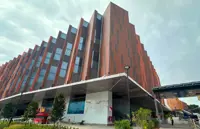
MOH data shows that demand for hospital beds remains high, with the daily occupancy rate ranging between 81.6 per cent and 100 per cent over the past week. - The Straits Times/ANN

SINGAPORE, April 16 (The Straits Times/ANN): Though the number of hospitalisations related to Covid-19 is increasing amid a new wave of infections, this is unlikely to overwhelm hospitals here, experts said.

As the variants currently circulating worldwide are much milder than the original Delta strains, the number of patients who need intensive care is unlikely to rise significantly, said Professor Paul Tambyah, a senior consultant in infectious diseases at National University Hospital and president of the International Society for Infectious Diseases.

“What we are seeing right now is what has happened with every virus in human history – over time, they adapt to humans and become more easily transmissible and less virulent,” he added.

“Even the deadly ‘Spanish influenza’ of 1918 which killed one in 50 people worldwide mutated into the most common strain of seasonal influenza which caused seasonal outbreaks every year from 1920 to 1957,” he said, noting that this also appears to be happening with Sars-CoV-2, which causes Covid-19.

Associate Professor Alex Cook, vice-dean of research at the National University of Singapore Saw Swee Hock School of Public Health, said: “The numbers are still much lower than what was observed over the Omicron waves of 2022, so there’s not much cause for concern at the moment.

“We can expect to see undulating waves like this going forward as immunity rises and falls in the population.”

On Friday, Health Minister Ong Ye Kung said that Singapore was in the midst of a new wave of Covid-19 infections, with the estimated number of daily cases going up from about 1,400 a month ago to 4,000 last week.

About three in 10 of the current cases are reinfections – higher than the 20 to 25 per cent seen during the last wave.

While the number of infections is climbing, there is no evidence that the current strains cause more severe illness, the minister said.

The Ministry of Health also stated that the current wave is driven by a mix of XBB subvariants – such as XBB.1.5, XBB.1.9 and XBB.1.16, also known as Arcturus – with no evidence of increased severity in cases.

According to the MOH website, there were 16,108 reported cases in the first week of April. During that period, there were 424 people hospitalised due to Covid-19, with nine warded in the intensive care unit (ICU).

An average of four adult ICU beds were occupied daily by Covid-19 patients during that time, MOH data showed.

Prof Tambyah cited several possible reasons for the rise in infections.

These include increased travel over the March school holidays as well as the Good Friday long weekend, which could have helped introduce new strains of the coronavirus to the population, as well as waning immunity from vaccinations.

MOH data shows that demand for hospital beds remains high, with the daily occupancy rate at public hospitals ranging between 81.6 per cent and 100 per cent over the past week.

The waiting time for admission to ward from the emergency department also remained high at some hospitals here.

Still, the current Covid-19 wave has yet to overwhelm the hospitals as Singapore has so far not turned to private hospitals or makeshift facilities to handle the increase in cases, infectious diseases expert Dr Leong Hoe Nam said.

Should more people be hospitalised, the country can adopt measures it took earlier in the pandemic – such as cutting down on elective surgeries and building temporary facilities, Dr Leong said, adding that there is so far no reason to reintroduce measures such as mandatory mask-wearing.

Singapore has seen more than 2.2 million cases of Covid-19 since the pandemic began in early 2020, with more than 1,700 deaths.

During that time, the country introduced a slew of measures, including mandatory mask-wearing, contact tracing and restrictions on gatherings.

Prof Tambyah said that given its status as one of the most connected cities in the world, Singapore is likely to see infections caused by all new variants that will emerge over the next few years, though these are likely to remain largely of academic interest as the world gets used to living with the virus. - The Straits Times/ANN

Get 20% OFF The Star Digital Access

Monthly Plan

RM 13.90/month

RM 11.12/month

Billed as RM 11.12 for the 1st month, RM 13.90 thereafter.

Best Value

Annual Plan

RM 12.33/month

RM 9.87/month

Billed as RM 118.40 for the 1st year, RM 148 thereafter.

Follow us on our official WhatsApp channel for breaking news alerts and key updates!

Next In Aseanplus News

Brunei orders removal of Argentina food products after porcine DNA detected
Laos steps up tourism promotion to attract more visitors
Myanmar simplifies applications for new electricity meters with online system
Durian export boom puts growing area code reforms under scrutiny
Bacolod steps up fight against ‘very alarming’ online child sexual exploitation
Most Australian teens still on social media three months after under-16 ban began, study finds
Hanoi's multibillion-dollar redevelopment brings modernisation but displaces communities
Sandakan sweep uncovers smuggling, utility theft and wildlife crime
Cable theft and vandalism cause power disruptions, nearly RM400K in losses in S'wak sub-district
Eight high-speed rail contracts to go out for tender in December

Others Also Read