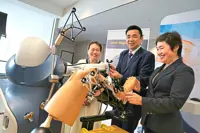
FRANKFURT: Artificial intelligence (AI) is making increasing inroads into the world of food and nutrition – as a shopping adviser, personal nutritionist or humanoid kitchen robot designed to standardise repetitive cooking tasks.
But many people appear to remain sceptical of these technological ambitions, going by recent surveys.
In Germany, 40% fear a loss of control and outside determination by AI, a September poll commissioned by food company Nestlé found. At the same time, 43% would not want a humanoid robot that can cook on its own in their home, while 21% said they could well imagine such a kitchen assistant.
In the United States, consumers show a similar mix of enthusiasm and caution. According to a survey of 1,500 Americans conducted by food delivery platform DoorDash in early 2025, 52% are open to AI personalising food recommendations based on their past orders.
However, only 15% fully trust robots or automated systems to prepare restaurant meals, the survey found.
Electric vehicle maker Tesla has been among those promoting the idea of robotic help in the home, showing off prototypes of its Optimus robot designed to handle "unsafe, repetitive or boring tasks."
A survey of UK and US consumers by communications agency Ingredient Communications, published in January 2025, reportedly found that 42% had a positive view of using AI in food and beverage production and design, compared to 27% with a negative view.
Nearly half of respondents (48%) were willing to let AI analyse their genetic makeup to make nutrition recommendations, while 29% were unwilling.
Separate research on 380 UK participants found in 2024 that AI culinary help is "more accepted in practical tasks, such as using leftovers, but less so in socially meaningful settings such as dinner parties."
In the German survey, approval ratings rise when it comes to advice on nutrition and health, and some 46% favour AI as a personal nutrition adviser.
The research comes as a growing number of companies push ahead with cooking robots, deployed in supermarkets, hospitals and military barracks, in the hope that institutional settings will adopt the technology faster than private households. – dpa