
Not many people know this, but squids and octopuses make their own distinct animal sounds. And they sound like this: Woomy! Veemo! Booyah!
If you got that joke, awesome – it means you too are familiar with Nintendo's Splatoon series, where Inklings and Octolings (squid kids and octopus kids) spend their days dressing stylishly and shooting each other with ink, and the cephalopod language is nonsensical yet incredibly recognisable.
Nintendo recently released the spin-off game Splatoon Raiders, and I'm so obsessed with that game that I wanted to take this moment to look at the whole Splatoon series' fascinating journey from Nintendo's (arguably first) online multiplayer player vs player game to a singleplayer looter-shooter.
I feel that Splatoon Raiders' singleplayer gameplay is so perfect for the series that I'm genuinely surprised that it wasn't the first game of the franchise. I mean, imagine if Nintendo started with Dr Mario or Mario Picross or Mario Kart, before they decided, "actually, maybe we should put this plumber in a side-scrolling platformer and call it Super Mario Bros". (NES, 1985)
That'd be weird, right? Anyway, let's get inking!
Splatoon The First
When Splatoon first came out in 2015 for the Nintendo Wii U, three things came to my mind.
First, I loved the aesthetics of this game world! This is a riotous and colourful world of sea life and street fashion, where squids are kids (and vice versa), and everyone's rocking out to music performed by fictional in-game musicians, like pop idols Callie & Marie of the Squid Sisters. Sweet!
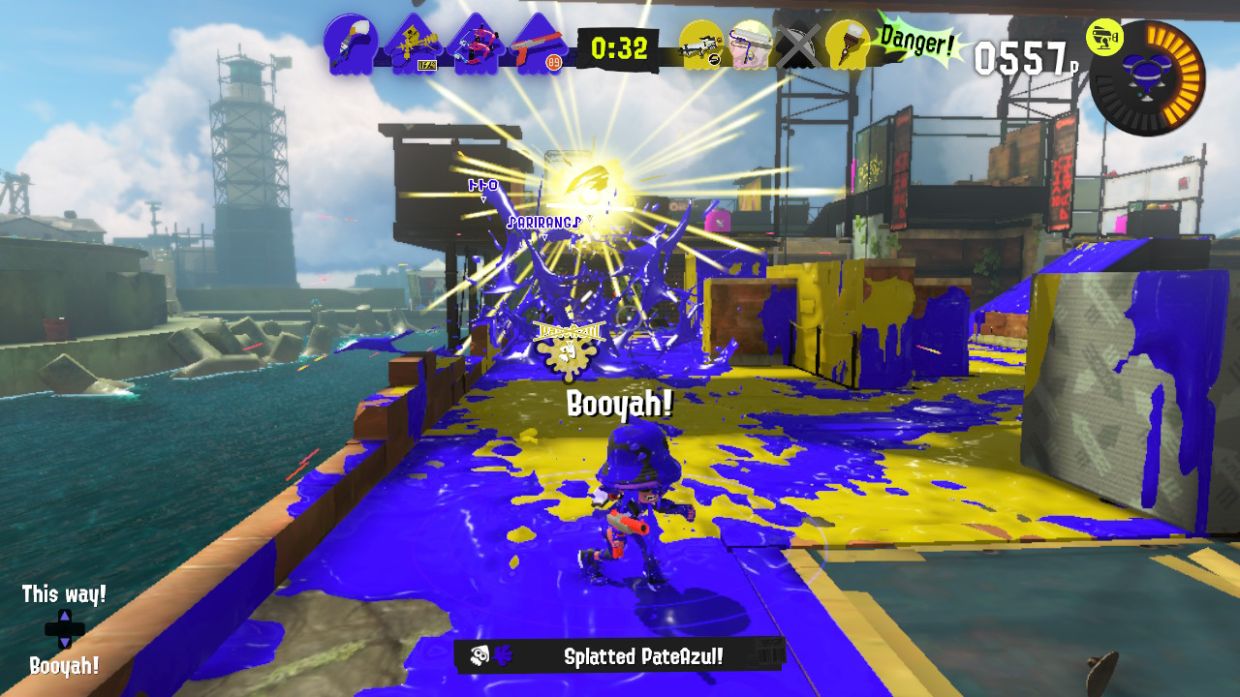
Second, the signature game mechanic is genius and feels great – you can switch between kid/person (shooter) form and squid (swim) form, and each form complements the other's gameplay. You shoot ink to defeat enemies and paint territory, and you can swim through your own painted territory to move fast and refill your ink. Neat!
And third, I like this game a lot, but I wasn't actually interested in playing it. Eh?
I'm sorry, I know it's weird! I'm a singleplayer and co-op gameplay kinda guy, so Splatoon's primary form of gameplay – competitive 4v4 team fights – didn't appeal to me. I'll give it some credit – the idea of winning by inking territory instead of eliminating enemies ("splatting", actually) was definitely a novel idea, and at least there's a basic singleplayer campaign.
I continued playing Splatoon mostly to enjoy the fan community, especially to see the fan art and banter around Splatfests. These are regularly-held events where players choose a side on a silly debate (e.g. Rice or Bread? Eating or Sleeping? Autobots or Decepticons?) then duke it out with the opposing side. It's like voting season, but fun!
Splatoon 2: Electric Eel Boogaloo
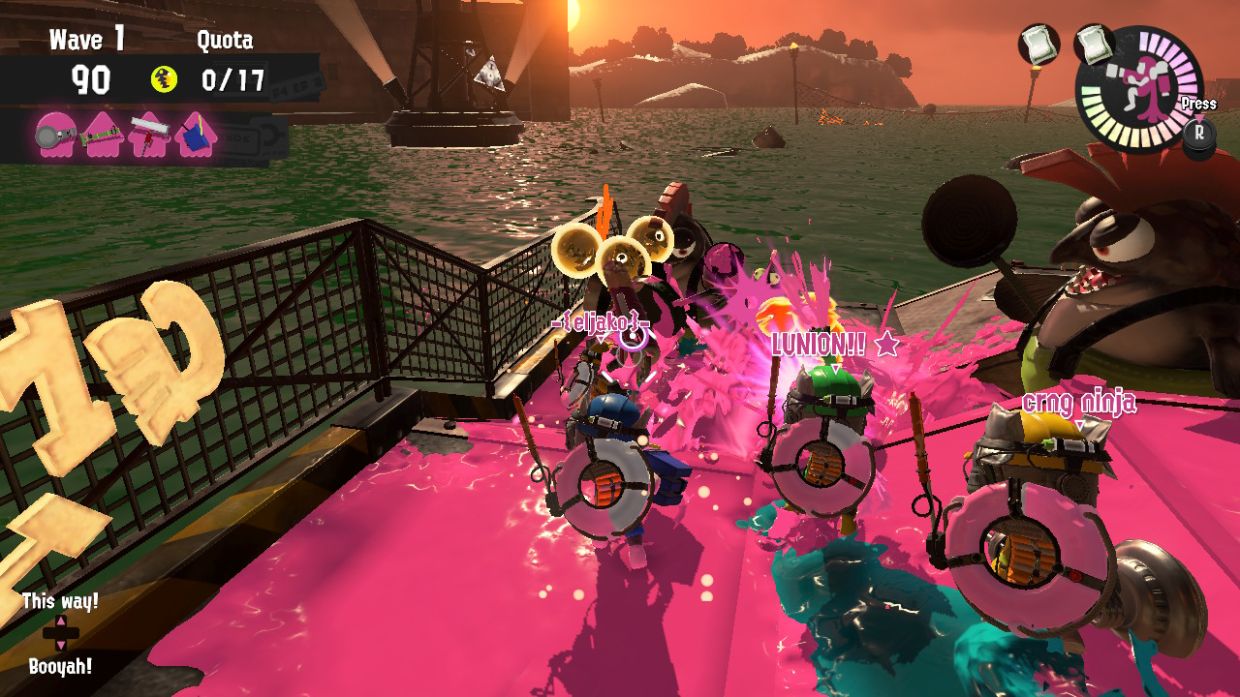
Splatoon 2 was released for the Nintendo Switch in 2017, and was in every way the superior sequel. The game notably added a horde-based cooperative PvE mode called Salmon Run, where teams of four players would battle waves of Salmonids (mutant salmon) to collect Power Eggs. (Hooray, a co-op mode for me!!)
It might be important to reiterate what Splatoon is, in the context of Nintendo franchises: Splatoon is Nintendo's first, proper, online multiplayer game series.
Sure, series like Mario Kart and Smash Bros have online multiplayer, but they're just as fun in singleplayer and couch play (i.e. playing with friends in the same room, same console). Meanwhile, the meat (or seafood, I guess) of Splatoon's content requires each player to be online, on their own console.
Yet, the Splatoon games still have some of Nintendo's singleplayer design DNA. Splatoons 1, 2, and 3 each have a basic singleplayer campaign, which are all somehow both light in content (~8 hours of gameplay each) yet packed with story, character, and deep world-building.
For example, did you know that Callie & Marie – the pop idols and TV hosts who greet players at the start of every game in Splatoon 1 – are also undercover agents fighting a secret war of squids vs octopuses? And Inkling civilisation is built on the ruins of humanity? And Salmonid eggs collected in Splatoon 2's co-op mode have a narrative payoff in Splatoon 3's singleplayer story?
Yeah, none of this is even touched on if you only play Splatoon's main multiplayer mode!
Octo Expansion DLC
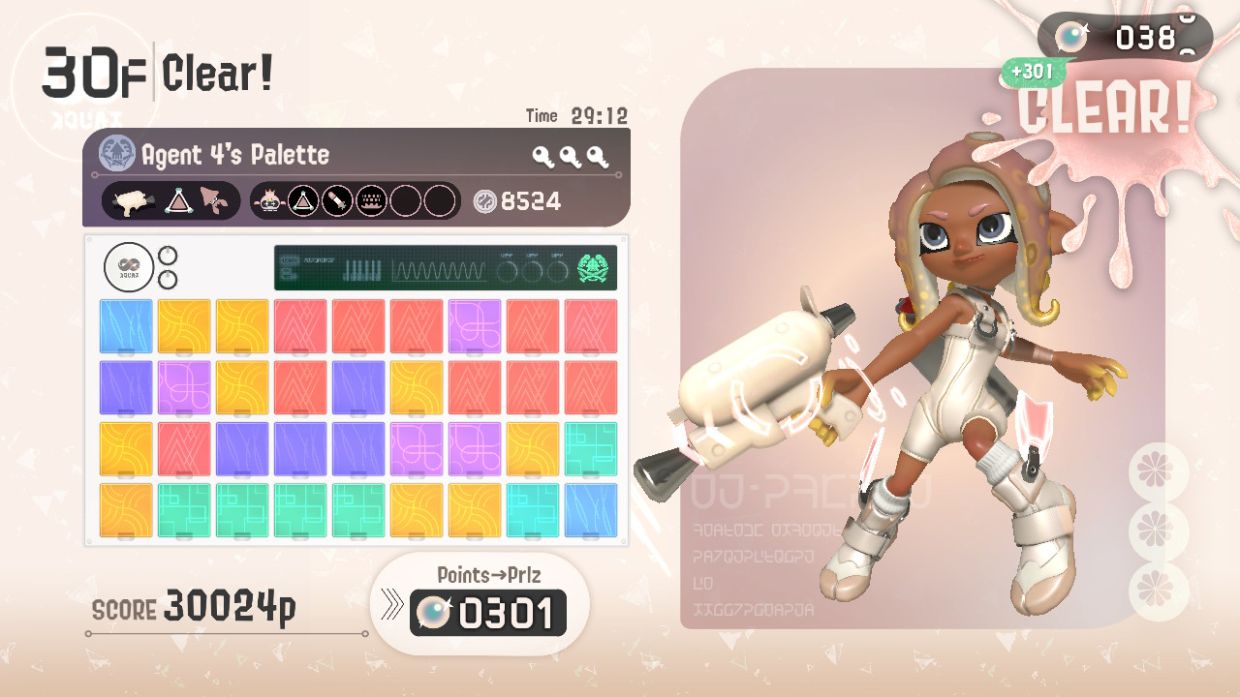
This strange tension of "multiplayer vs singleplayer" is expanded further in Splatoon 2's delightful Octo Expansion DLC. This adds a singleplayer campaign where the player (now playing an Octoling for the first time) works with Pearl & Marina (the new pop idol hosts of Splatoon 2, and my favourite duo) to overcome a series of high-skill, high-precision challenge levels.
Octo Expansion is a mad scientist's experiment in finding out how many kinds of unique & interesting challenges, mechanics, and game ideas can be built atop the basic idea of Splatoon's shooter gameplay. (Answer: a lot.)
It was also a secret torture chamber for players because hoooly crap those DLCs stages are controller-crushingly difficult, but you know what, I'll forgive it because this DLC gave me my singleplayer experience, introduced Octolings as a "playable race", and let me hang out with Pearl & Marina.
Splatoon Three-mo!
Splatoon 3 was released for the Switch in 2022, and it was, uh, pretty much more of Splatoon 2. Don't get me wrong, Splatoon 3 is a great game and had some nice updates: new weapons, 3-way Splatfests, crazier Salmon Runs with mega boss fights, and, of course, a new pop idol group (Shiver, Frye, and Big Man) to host the game.
However, in the modern era of live service games, players could fairly wonder why those features weren't just added to Splatoon 2 in a big update. (I mean, heck, Genshin Impact just added a third person cover shooter mode to its hack-and-slash fantasy game!)
Online multiplayer games have life cycles that need to be managed, and I'm still trying to understand Nintendo's approach. Splatoons 1, 2, and 3 are designed to have a roughly two year "lifespan" where they receive regular updates, then ongoing support "ends" after a spectacular final Splatfest (in 2016, 2019, and 2024).
(You can still play Splatoons 2 & 3, but Splatoon 1 is completely offline after Wii U servers shut down in 2024.)
The jump from Splatoon 1 to Splatoon 2 made good sense: the Wii U wasn't too popular, so releasing an updated game for the Switch allowed the franchise to reach more players and find greater success. Conversely, the jump from Splatoon 2 to 3 just risked splitting the player base between the two Switch games.
Side Order DLC
That said, two things I can't fault Splatoon 3 for are its singleplayer campaign (which continues the story with undercover agents Callie & Marie, and escalates the stakes to world-ending levels!) and the Side Order DLC, which basically adds a whole different game.
Side Order takes the general horde mode idea from Salmon Run and some of (the less takoyaki-bustingly difficult) challenges from Octo Expansion, bundles it all into a singleplayer roguelike experience, complete with an RPG-like upgrade system. And it is great.
The streamlined combat experience showcased how good the basic moment-to-moment shoot-and-swim mechanics felt, and the stage/level-based roguelike adventure proved that Splatoon works great in short, repeatable gameplay loops. (Also, Pearl & Marina are back as the main supporting cast, baaayyybeee!)
While Splatoon 3 made me wonder how Nintendo plans to manage support for its online multiplayer games, the successful, experimental, and singleplayer-focused ideas of the Side Order DLC gave me a clear idea where the devs wanted to go next.
Splatoon Raiders
And where they went was on a tropical vacation.
In July 2026, Nintendo released Splatoon Raiders for the Switch 2, and in this spinoff game you go on a (mis)adventure with Shiver, Frye, and Big Man in the tropical Spirhalite Islands. These islands have treasure to be looted, Salmonids to be splatted, and a story that follows up on some narrative threads laid down by the previous three games.
Raiders completely ditches the competitive multiplayer gameplay that was the core of Splatoon 1, and instead builds on every cool idea experimented with in the sequels and their DLCs.
From Octo Expansion and the story campaigns, Raiders takes the idea of presenting players with short but punchy stages that each present different challenges. From Salmon Run, Raiders hones in on the chaotic fun of the horde mode, and reuses Salmonids as enemy mooks. From Side Order, Raiders expands on the idea of persistent upgrades and RPG-like levelling as long-term rewards for play.
That last part is especially noticeable, as the amount of upgradeable weapons and customisable abilities you find in Raiders proves that you can make a game insanely fun if you never have to worry about multiplayer balance. (I concocted a Speed build with a Jump Bomb that lets me fly around and blast enemies like an attack helicopter, and it's broken as heck. I love it!)
To me, Splatoon is Nintendo's equivalent to Blizzard's Overwatch: both game series are full of great stories, great characters, and great ideas, but I'd rather explore their rich worlds through singleplayer experiences as opposed to the multiplayer they're designed for. That's why Raiders feels like what the series should have been all along.
Booyah!
Watching the Splatoon series evolve from Splatoon 1's online PvP ink 'em up multiplayer to Splatoon Raider's hectic singleplayer looter shooter feels like... it's like I'm watching an early proto-human rise up from the sea, learn to walk, and finally sit down in front of a game console. It's a long and strange evolution, but we've finally arrived at the subject's ideal form.
Will Nintendo continue experimenting with the Splatoon series? Will there be a visual novel spinoff featuring Pearl & Marina, as demanded by frothing fans (i.e. me)? Will Splatoon 4 flesh out the game's singleplayer and cooperative modes even more? I dunno, but I can't wait to find out!
I still find it funny that it took so long for Nintendo to settle on the obviously perfect gameplay in Splatoon Raiders. I mean, imagine if Mario's first appearance wasn't as a plumber trying to rescue a princess in Super Mario Bros and... uhhh... w-wait, hang on.
I just remembered that Mario's first appearance was in Donkey Kong (arcade, 1981), his name was "Jumpman", and he was a carpenter. And after that, he appeared in Game & Watch LCD games (e.g. Mario's Cement Factory), then Mario Bros (arcade, 1983), and then...
Goshdangit! Throw this entire article out the window, I think the only lesson here is that Nintendo can do whatever the heck they want with their game franchises until they eventually find amazing success!
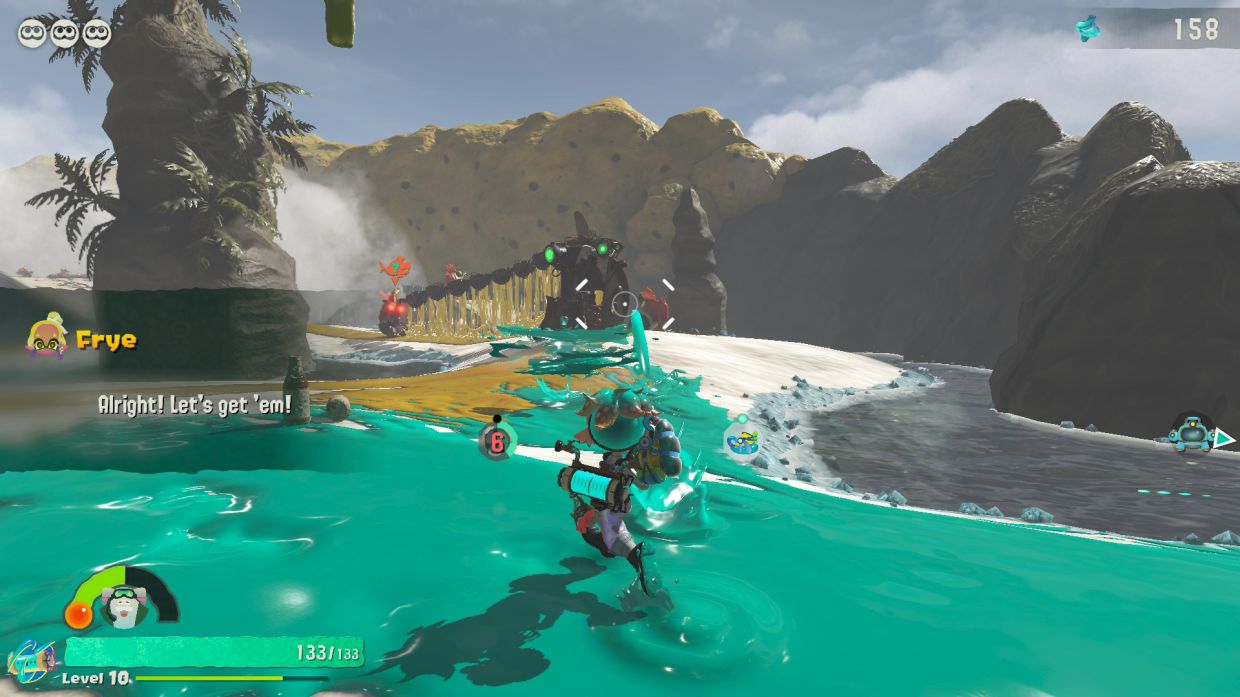
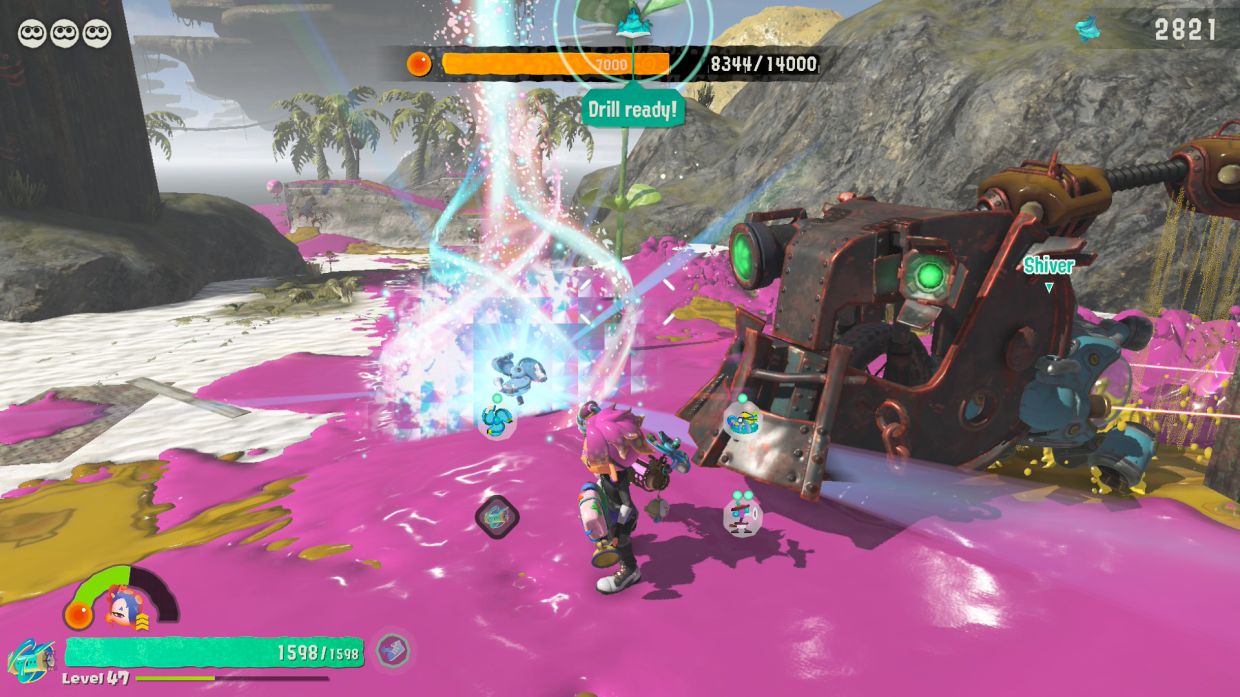
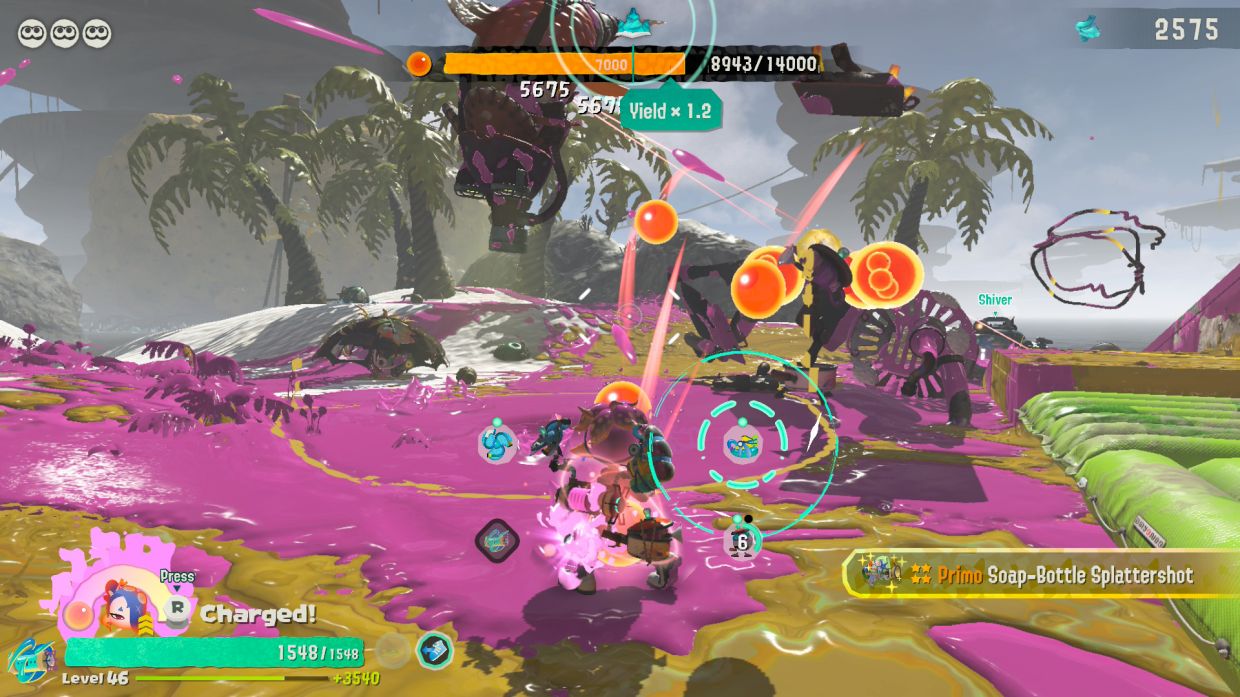
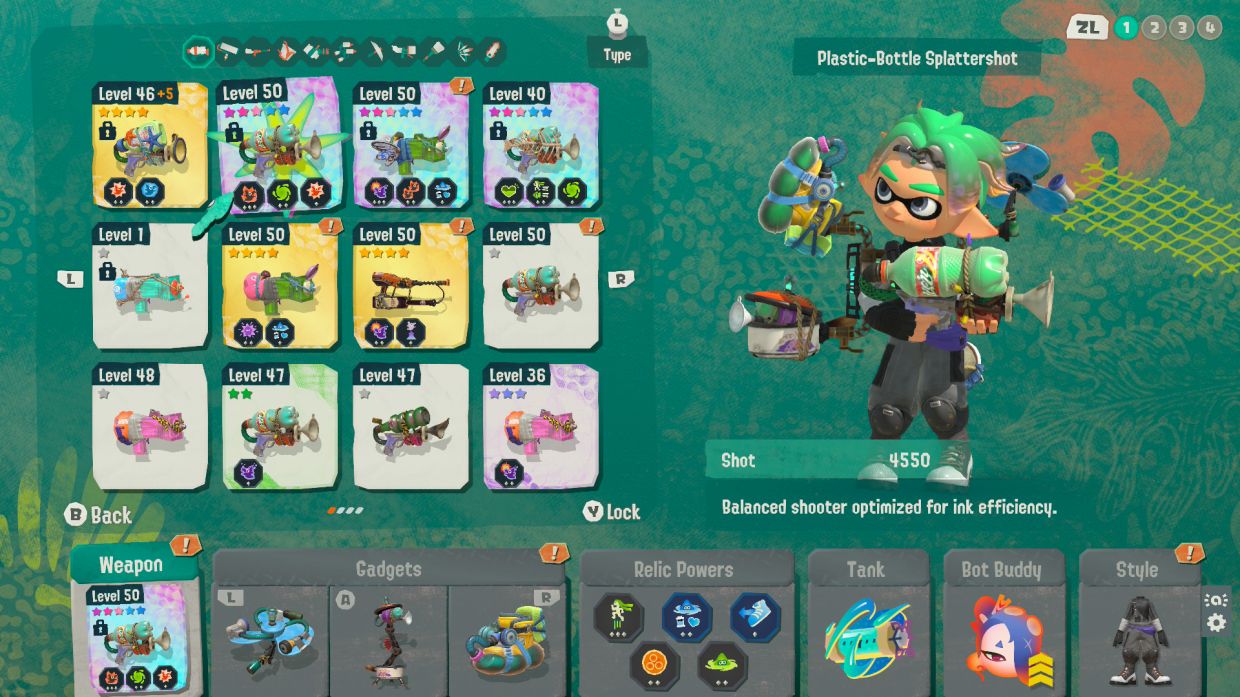
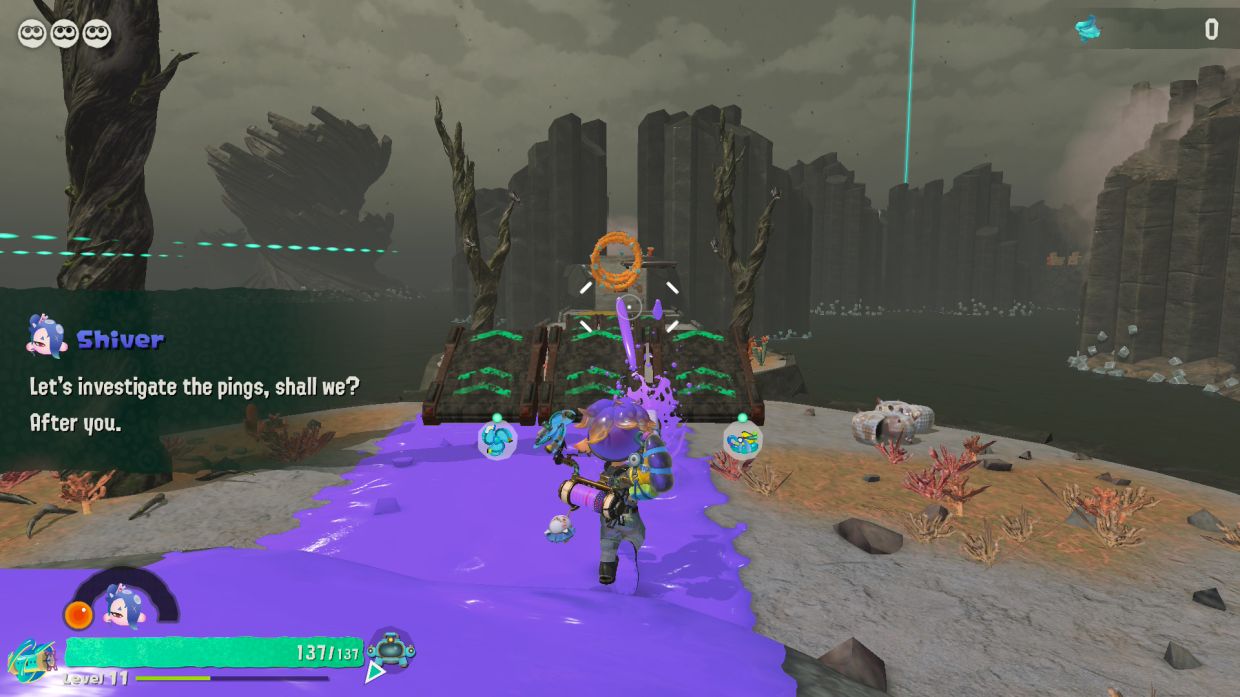
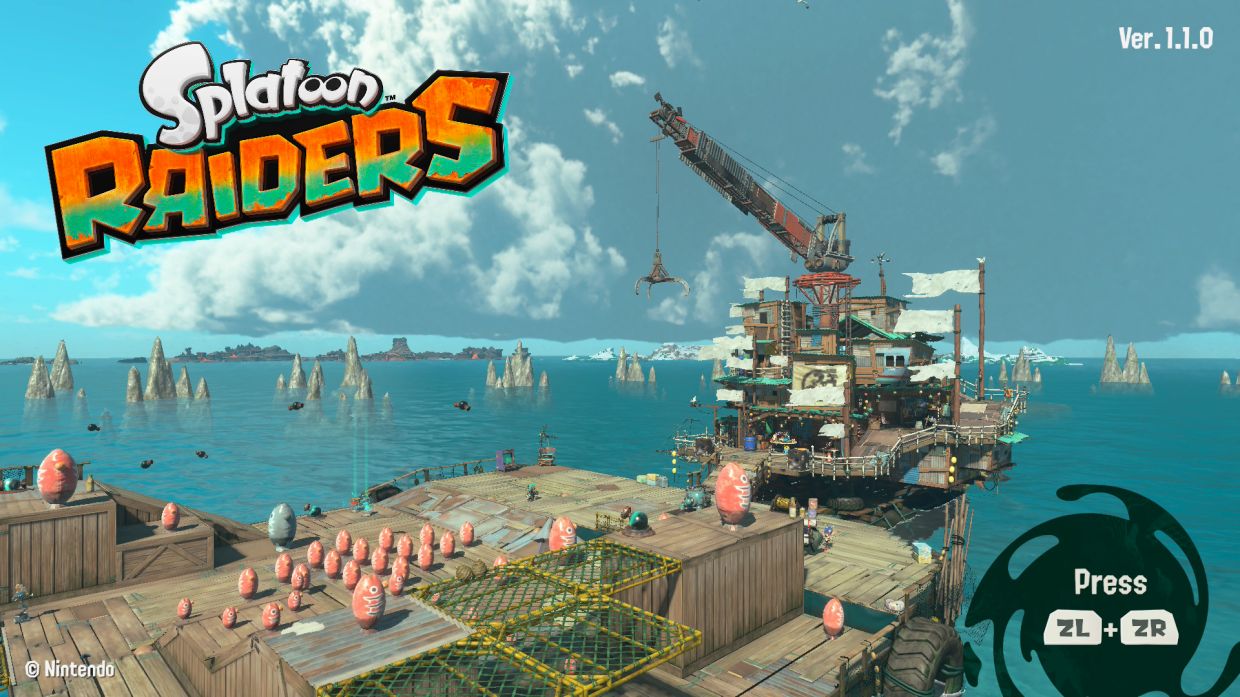
When raiding in the tropical isles, prepare to have sand between your toes, and murder fish after your butt. — Photos: Nintendo
When raiding in the tropical isles, prepare to have sand between your toes, and murder fish after your butt.
When raiding in the tropical isles, prepare to have sand between your toes, and murder fish after your butt.
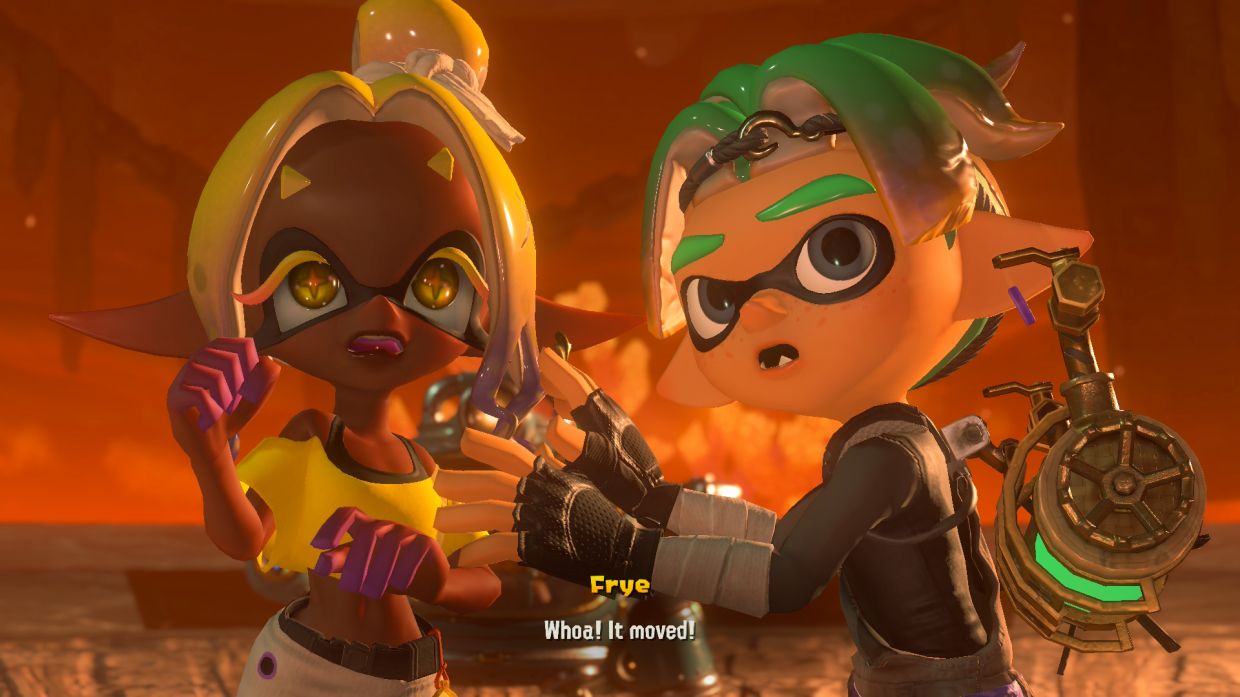
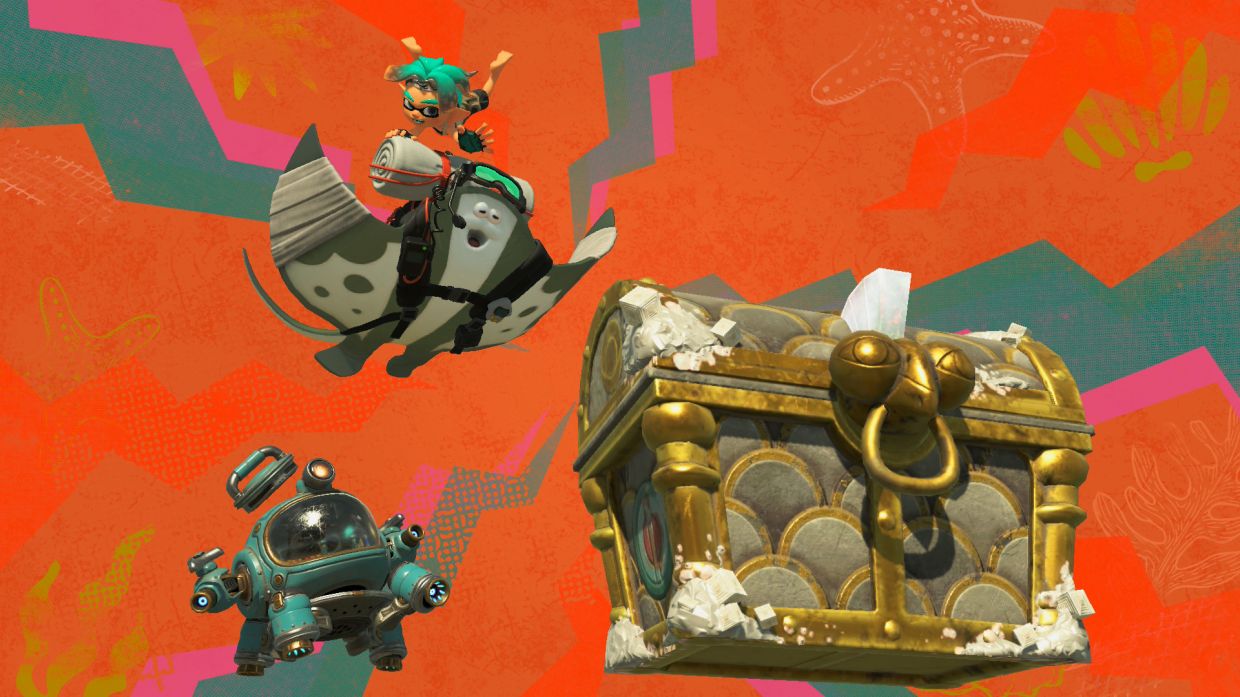
Like a proper RPG system, the massive tonnes of weapons and upgrades you loot in this game let you customise how you play.
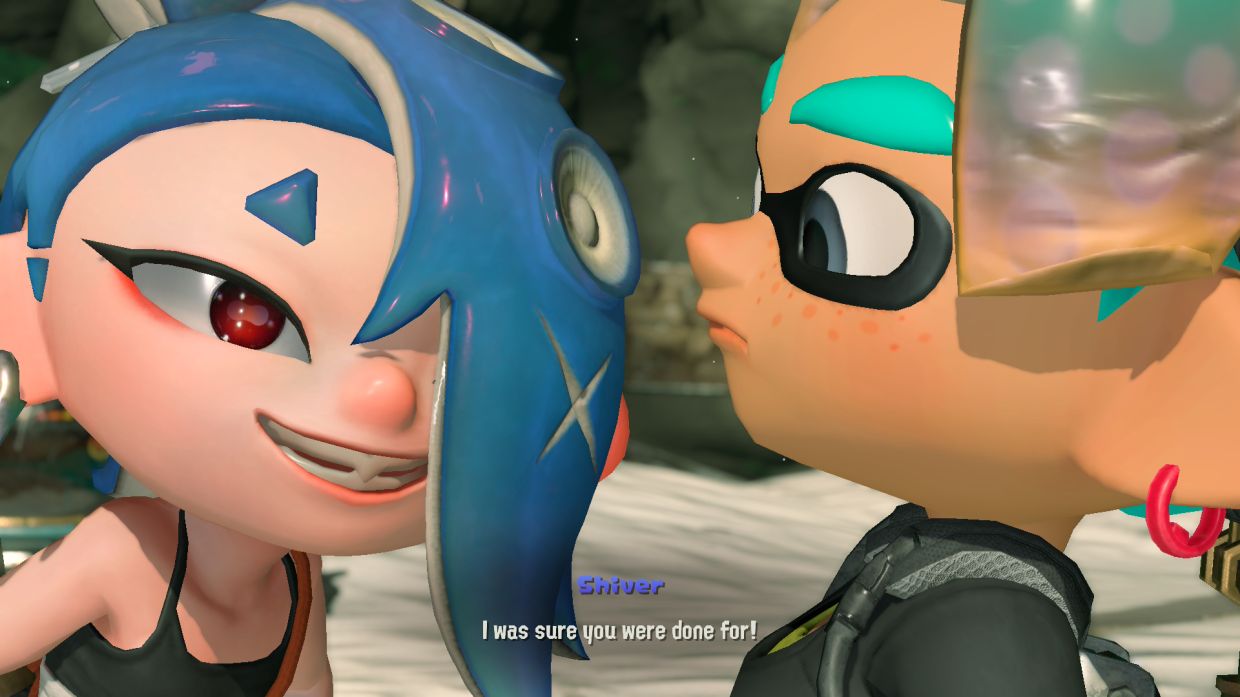
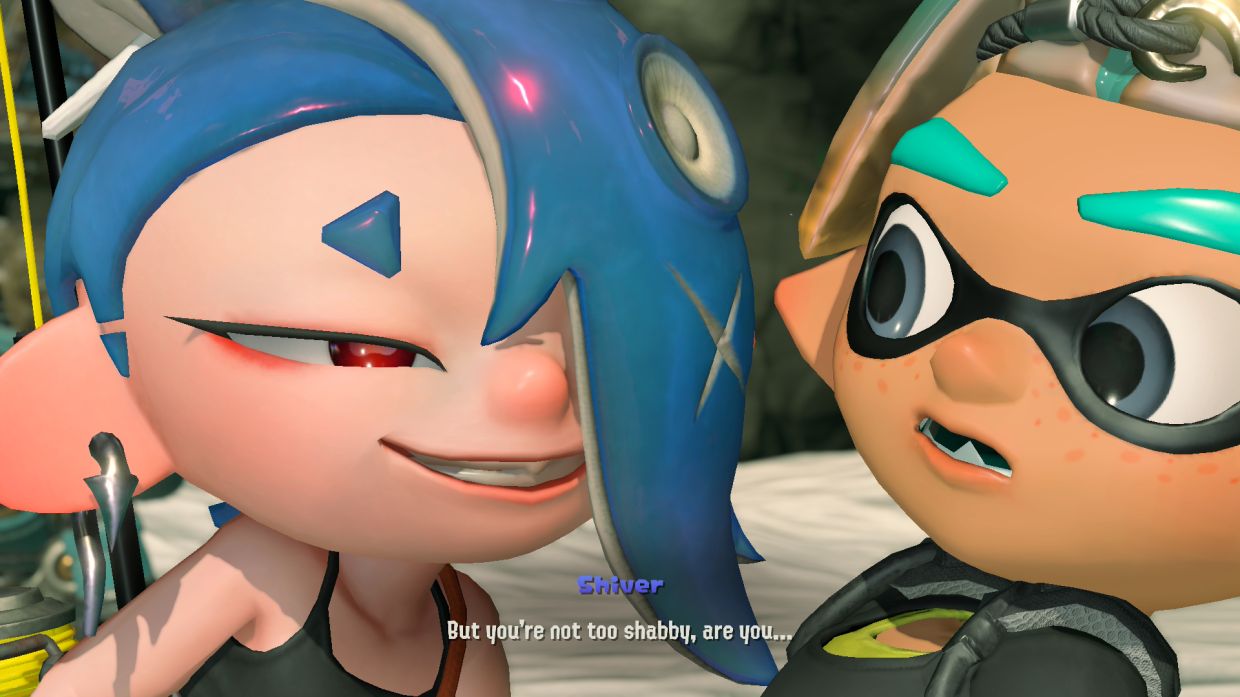
Oh nooo the dangerous-looking shark-themed pop idol has taken an interest in me, oh dear, oh goodness, oh my.
Oh nooo the dangerous-looking shark-themed pop idol has taken an interest in me, oh dear, oh goodness, oh my.
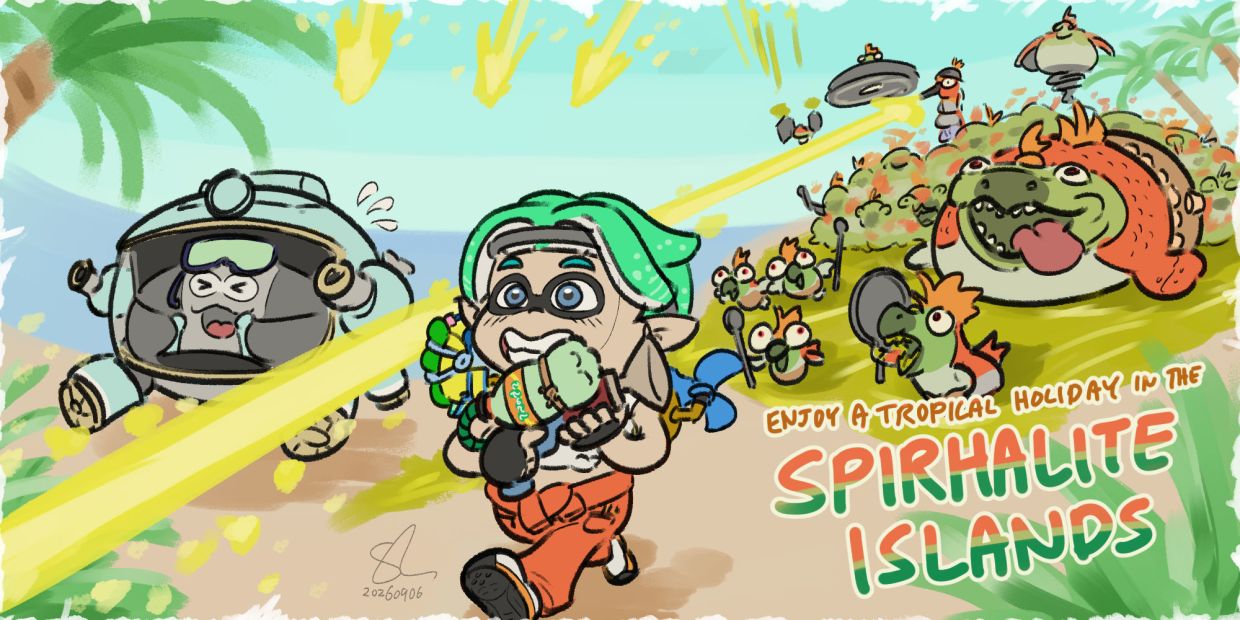
The Spirhalite Islands are a wonderful place for a vacation, provided you have sufficient firepower. [Artwork by Shaun A. Noordin]
The Spirhalite Islands are a wonderful place for a vacation, provided you have sufficient firepower.
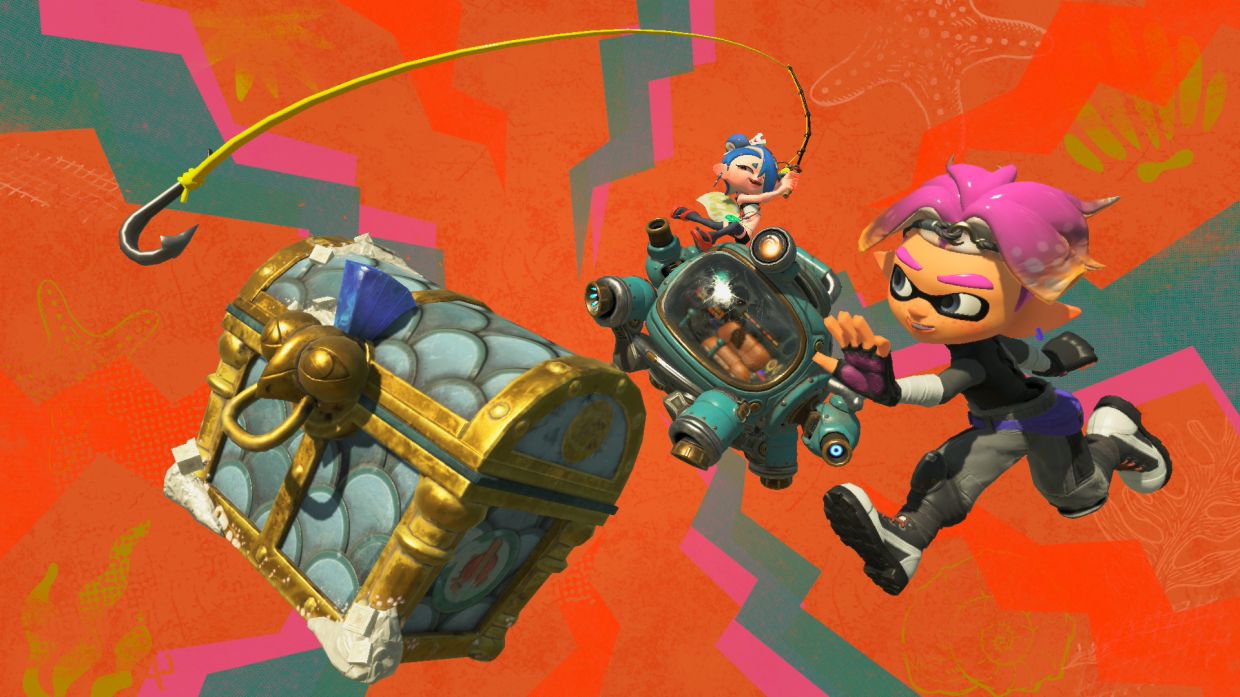
Raid islands, loot treasures, get stronger, repeat. The Spiralhite Islands have a good loop.
Raid islands, loot treasures, get stronger, repeat. The Spiralhite Islands have a good loop.
It is ALWAYS a good time to say BOOYAH!
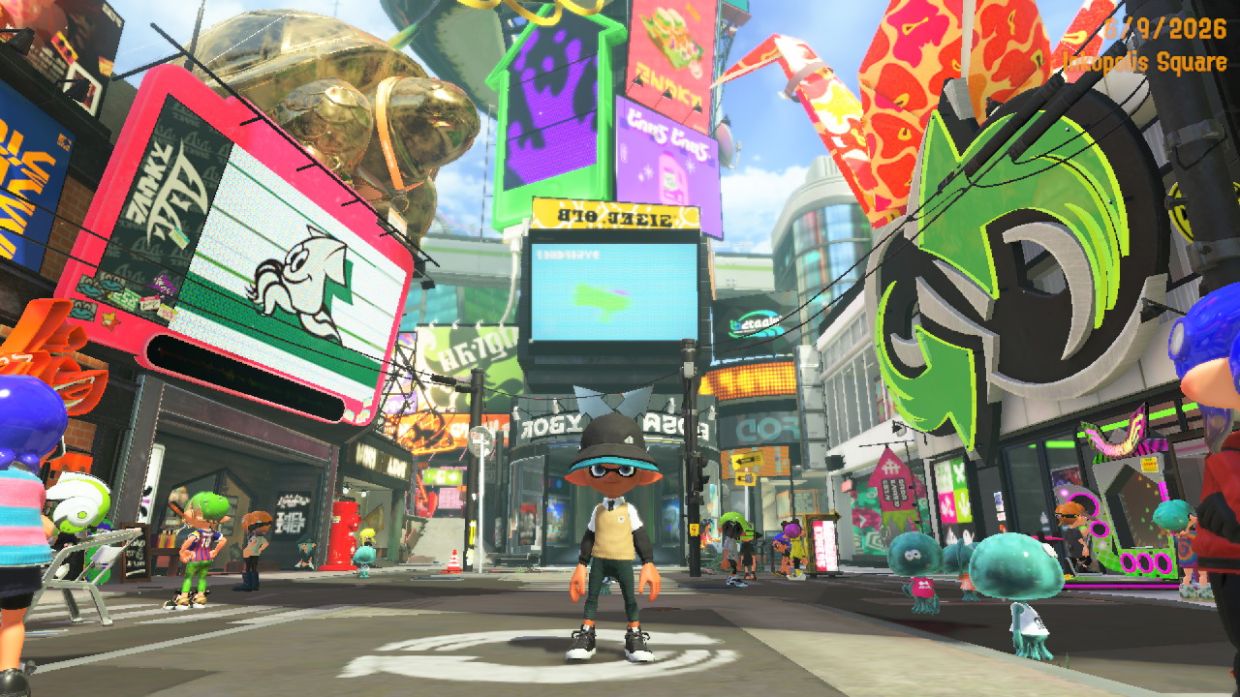
Splatoon's city hubs feel like downtown Tokyo and have a Shibuya street fashion chic. (At least, I THINK. The closest I come to actual Japanese fashion are the Uniqlo pyjamas I'm wearing while writing this.)
Fashion is a cornerstone of Inkling & Octoling culture. If you're gonna splat your opponents, you have to look good doing so - it's the law.
The three rules for Salmon Run are: 1. collect salmon eggs before time runs out, 2. don't die, and 3. seriously, try not to die, the invading salmon are merciless.