IT’S 11am on a work day. Does your employer know what you are doing or where you are?
In countries like China, some employers are resorting to using office WiFi, cameras and smart seats – that could record data such as heart rate, breathing and sitting posture – to monitor what workers are getting up to in the office.
One firm even went so far as to monitor employees’ bathroom breaks via fingerprint scans to track how much time their staff spent on such breaks, even fining those who exceeded the allotted time.
In Malaysia, more companies are leveraging advancements in technology to shift towards digital systems like mobile apps to track workers, instead of relying on traditional methods like access cards, punch cards or physical attendance logs.
In a Facebook group, some local employers reveal that they require staff to report their whereabouts by sharing their location via WhatsApp. One user also says employees are required to ‘clock in’ at the workplace by sending selfies as proof of attendance.
When civil servants in Malaysia started working remotely for three days a week starting April 15, it was mandatory for them to perform hourly check-ins through the Secure Personnel Online Tracking or SPOT-Me application. Their check-in location also has to correspond with the home address recorded in the HR system.

According to the National Digital Department in a Facebook post on April 14, SPOT-Me can be used to systematically track attendance and monitor staff movements throughout the day, including for employees in the office, as they are also required to record their entry and exit time on the app.
MYHRC Services managing consultant Deepa George believes that some companies in Malaysia began adopting digital tools for employee monitoring as early as the mid-2000s, but that deployment of such tools “became more aggressive as a need” during Covid-19. She adds that these systems have also evolved beyond attendance tracking, with some employers now using them to also assess employee productivity.
“While earlier use was largely focused on administrative needs such as overtime calculations, it has since expanded to include tracking actual work input alongside output,” she says.
Malaysia HR Forum CEO Arulkumar Singaraveloo explains that there has been a gradual shift towards data-driven evaluation of employees in Malaysia.
“However, this approach is still developing in Malaysia and must be applied carefully, as productivity cannot be fully measured through activity metrics alone,” he says, adding that over-reliance on such data may lead to unfair conclusions or punitive actions if taken out of context.
Ideally, Arulkumar believes monitoring data should be used as a supplementary input along- side qualitative assessments rather than as the sole basis for rewarding or penalising workers.
Data on work
Companies overseas have outlined their rationale for introducing such systems. For instance, in March, it was widely reported that US-based financial services firm JPMorgan Chase is deploying software to track keystrokes, video calls and meetings among junior bankers to better understand their workload.

The firm said the measure is intended as a form of awareness rather than enforcement, adding that it is designed to “support transparency, wellbeing and encourage open conversations about workload”.
George wishes that employee monitoring for wellness purposes were more widely-adopted. “Rarely have I seen or heard of this except in a few multinational companies where global governance dictates it. Typically, team members and the supervisor may have some agreements between them to enjoy micro breaks at best,” she adds.
Meanwhile in China, it was reported in the media that the typical justification used for installing surveillance systems in the workplace was to protect intellectual property, safeguard business secrets and guard against internal threats.
However, Arulkumar says local adoption of more advanced capabilities such as platforms with artificial intelligence or automated analytics remains limited as most organisations are still utilising basic monitoring features.
“This slower progression is largely due to cost, and lack of awareness of organisational readiness to fully leverage data-driven insights,” he adds.
Cybersecurity risks
These concerns also extend into cybersecurity and system governance. Fortinet Malaysia country manager Kevin Wong says employee monitoring tools can introduce additional risks if not properly managed.
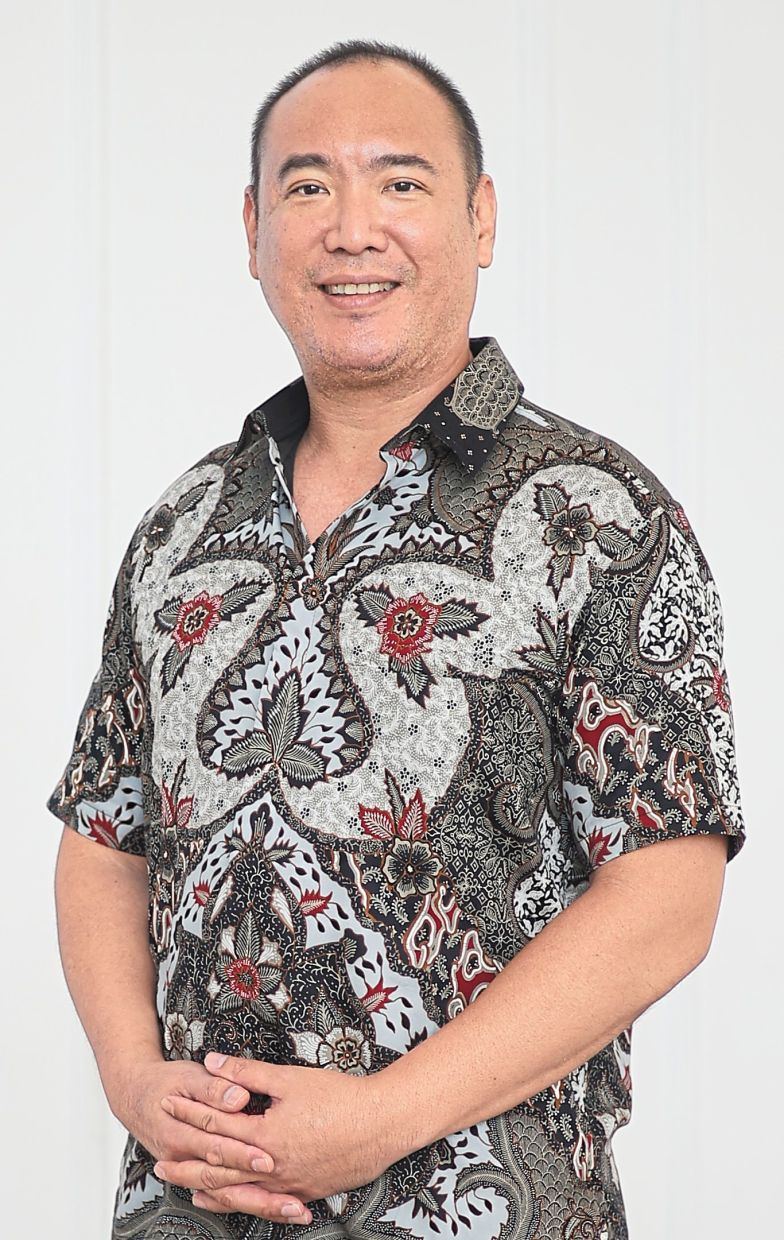
“These tools often require broad access to user activity and centralised systems, which can increase the attack surface and create attractive targets for threat actors. If attackers gain access to these systems, the information could potentially be misused to move across company networks or gain access to other systems,” Wong says.
He adds that organisations should apply the same level of scrutiny to monitoring tools as they would to any critical system.
“For example, access to these platforms should be limited only to authorised personnel who genuinely need it for their role, commonly known as ‘least-privilege access’,” he adds.
“Organisations should also ensure that sensitive data is encrypted, making it unreadable to unauthorised users even if intercepted or stolen.
“A Zero Trust approach is essential to ensure that visibility does not come at the cost of increased risk,” he says.
Transparency matters
There are also guidelines that employers should follow.
The Peninsular Malaysia Labour Department (JTKSM) director-general Kamal Pardi says employees should be informed and consent obtained before monitoring, except where necessary for security, protection of company assets or productivity control, noting that this is in line with the Personal Data Protection Act 2010, which requires consent for the collection and monitoring of personal data and mandates that such practices be carried out lawfully and with respect for privacy rights.
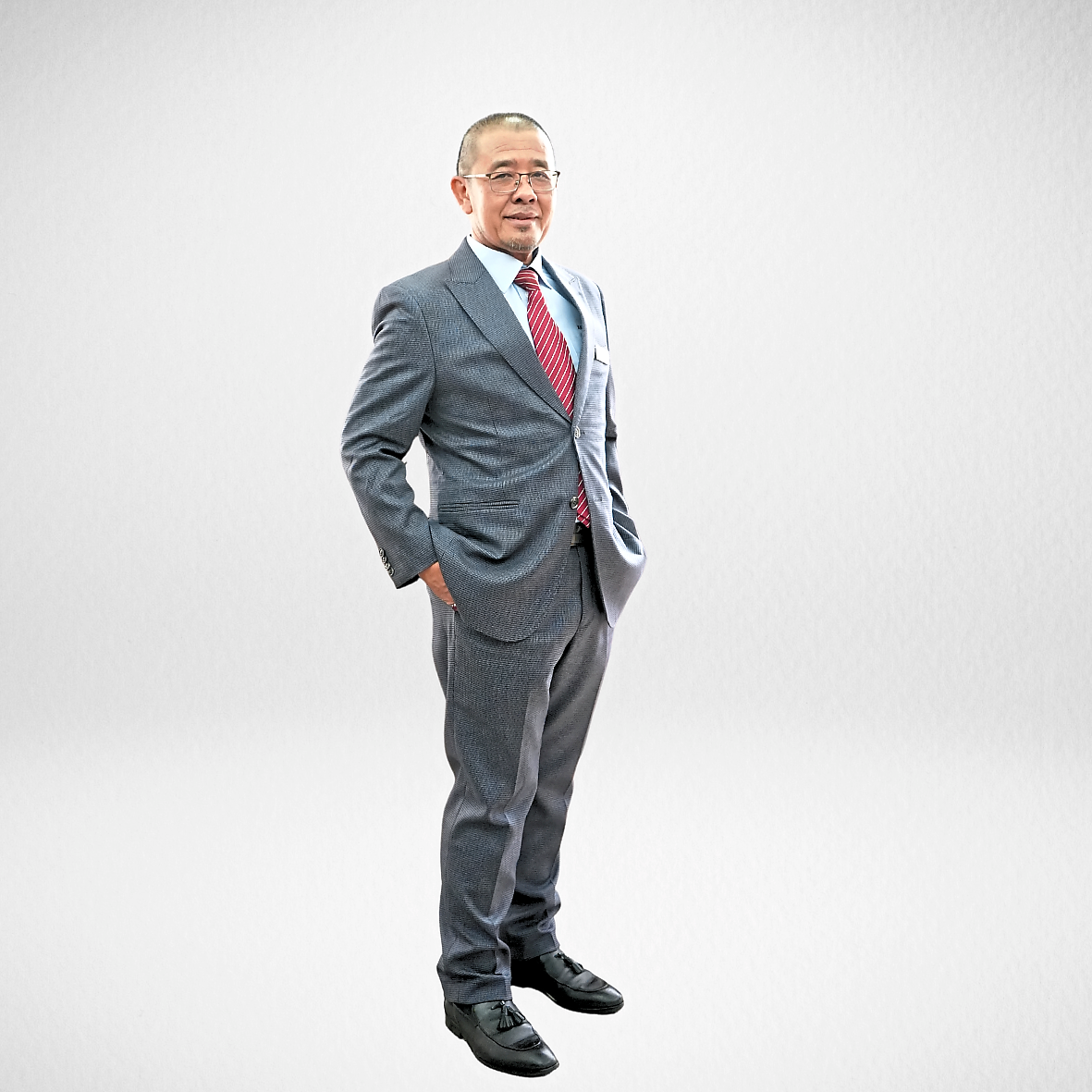
“Employees must be informed on how the monitoring will be performed, what data will be collected and how it’s used. Employers should also avoid infringing on employees’ personal privacy such as monitoring personal activities outside of working hours,” he says.
He adds that monitoring for employee safety and health purposes should comply with the Occupational Safety and Health Act 1994, which places responsibility on employers to ensure worker safety, particularly in high-risk environments.
“By following these guidelines, employers can ensure that employee monitoring systems are implemented responsibly and in accordance with Malaysian law,” says Kamal.
To date, Kamal adds that the JTKSM has not received any complaints regarding employee monitoring systems. He explains that the department’s role, if needed, would be to provide advisory and consultation services to employers to ensure that the implementation of monitoring systems is transparent, fair, and does not violate employees’ rights.
“Employers are advised to establish written policies or codes of conduct on the use of monitoring systems, including their purpose, scope and employees’ rights. These policies and ethical guidelines should be communicated to and observed by all employees to maintain workplace harmony and wellbeing,” says Kamal.
Arulkumar believes the adoption of employee monitoring technologies in Malaysia is expected to increase as workplaces continue to digitalise and hybrid work arrangements become more common.
“Ultimately, while technology will play a greater role in enabling productivity and accountability, organisations must recognise that trust remains a fundamental driver of sustainable performance,” he concludes.