Since 2011, March 31 has been widely recognised as World Backup Day – essentially a day to remind people to back up their photos, documents, and other digital content to be better prepared against unexpected data loss.
The idea reportedly came from digital strategy and research consultant Ismail Jadun, who saw a Reddit post from a user lamenting the loss of their hard drive and wishing someone had reminded them to back up their data before it was too late.
According to a release, back in 2011, Ismail said he was just a college student looking for “something interesting to do” and then took the initiative to launch World Backup Day on Twitter (now X) and a website.
The day has since grown into a global reminder that data loss can happen to anyone. And while most of us take it for granted, the consequences of not backing up can be severe.
Locked out
Generally, users are advised to follow the 3-2-1 backup rule, which is a simple way to protect your data: keep three copies of your data (the original plus two backups), store them on two different types of storage, and keep one copy offsite – such as in the cloud – so you can still recover everything if a device fails, gets lost, or is damaged.
In July 2025, website XDA Developers highlighted a story of a frustrated Reddit user who said he had been locked out of his cloud account with a tech giant, right after he had moved thirty years worth of photos and work there.
“I was consolidating data from multiple old drives before a major move – drives I had to discard due to space and relocation constraints.” The plan was simple: upload to the cloud account, then transfer to a new drive later, the user wrote.
He claimed that the tech giant suspended his account without any warning or reason. Despite submitting a compliance form 18 times, the user said he never received any feedback. He also said the process felt unethical as he felt that his digital life was held hostage without any warning or accountability.
“If this were a physical storage unit, there’d be rights, procedures, timeframes. Here? Nothing. Just a Kafka-esque black hole of corporate negligence,” he added.
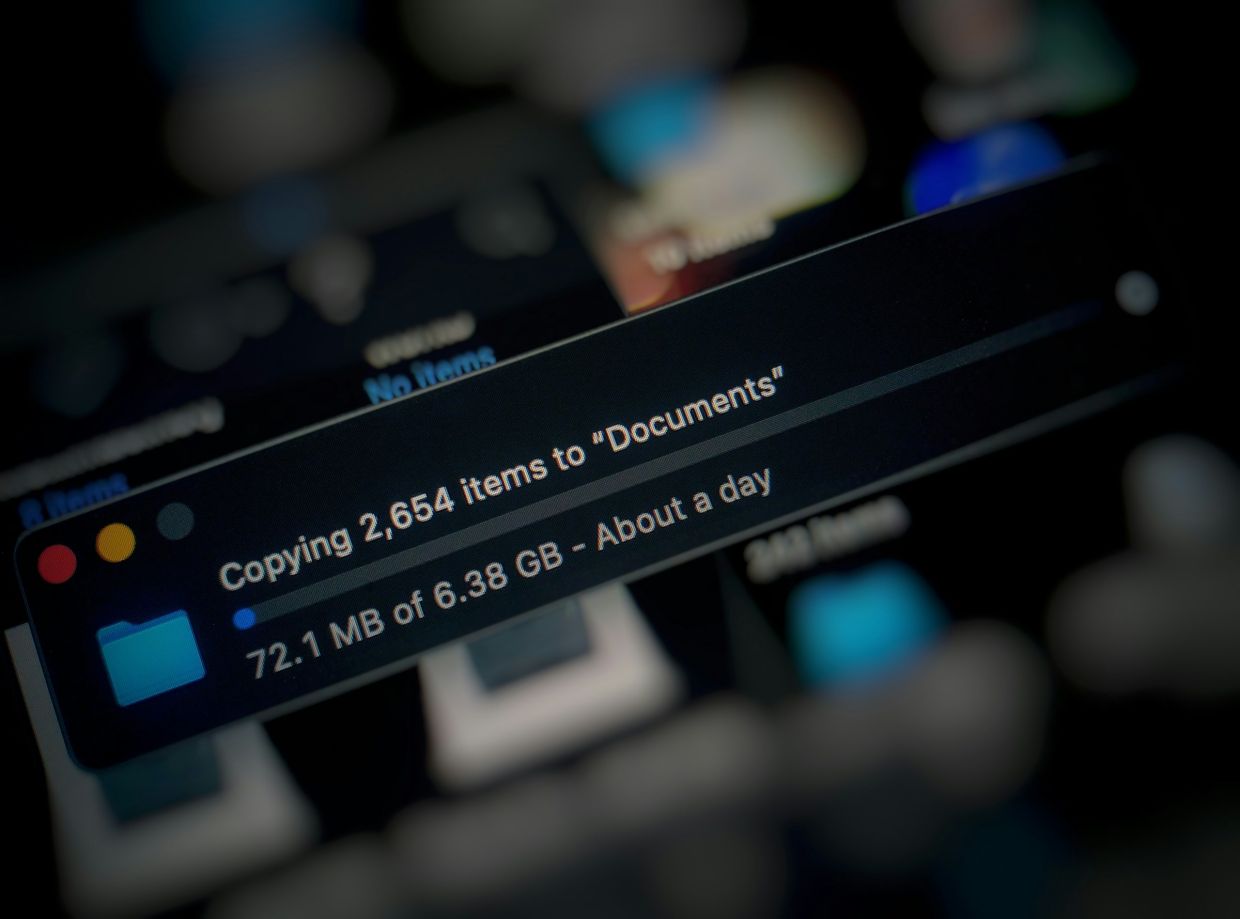
Users should also read the terms and conditions of any online service before subscribing. For instance, some providers require users to sign in at least once every two years to keep their account active. Companies may also restrict or remove content that exceeds storage limits or violates its Code of Conduct, and can take action – including blocking access – against users who breach its policies.
Some services may even change their business model from free to premium, especially when there has been a change in ownership.
That was precisely what happened to a netizen based in Kuala Lumpur who wished to be known only as Amanda, who said she lost all her personal photos in 2009 when a then free-to-use online photo storage service she had been using changed its business model overnight after getting bought over by another US company.
“They actually emailed me saying I had to pay a fee – in US dollars, no less – by a certain date to keep my account or they would delete all my photos. Basically they were holding my memories ransom unless I paid up, which I felt was a complete outrage,” she said.
Amanda refused to pay as she couldn’t believe a platform could extort its users in such a manner. As the deadline neared she attempted to download her photos off the platform, but found she was blocked from doing so, even in a low resolution.
“I emailed them to demand my photos back but they point blank refused, and once the deadline passed, they actually deleted all the photos! I was infuriated but there was nothing I could do, short of trying to sue them in the US,” she recalled.
Amanda said the experience has taught her never to rely on any one service to store her photos, and now backs up copies of her important data to multiple cloud storage providers.
Data recovery
A technician at the aptly named Data Recovery Center in Kuala Lumpur, Clement Chai, said most customers rely on just a single portable hard drive or solid-state drive (SSD) to store files such as family or wedding photos.
“They don’t have a backup, which is usually why they end up here,” he said with a laugh.
Based on his 15 years of experience, Chai said traditional hard drives often fail if they’re dropped, exposed to heat, or left unused for long periods. SSDs, which have no moving parts, are less vulnerable to drops but he said they can still be affected by heat or prolonged disuse.
“When customers come, they mostly feel anxious and just want to be able to recover their data. The process can take up to a week, depending on the state of the drive,” he said.
According to his company’s website, services start at RM400 for issues such as accidental hard disk formatting. Customers are not charged if the data cannot be recovered.
“There are cases with SSDs where, if the chip has overheated or burned out, the data cannot be recovered,” he said.
Chai recalled a customer whose face fell when she was told her family photos could not be recovered after a hard drive failure.
“I still can’t forget the look on her face. She was devastated but fortunately, she was able to accept the outcome,” he added.
Chai said his centre sees around 50 customers a month, including the likes of wedding photographers.
“They often need help recovering wedding photos lost due to memory card failures,” he said.
Data recovery expert Asyraf Rashidin also has customers who come to him because they don’t have any backups.
“Yes, I see this in the majority of cases I handle, which is almost every day. Customers tend to give excuses like not having the time to back up their data or thinking the process takes too long, so they just delay it.
“Some also believe that because their hard disk is expensive or branded, it’s unlikely to be damaged,” he said, adding that most rely solely on one drive.
During festive seasons like Hari Raya, Asyraf, who is also the managing director at Cyberjaya-based tech repair company Genius Advanced, said customer enquiries increase.
“It’s mostly due to changes in usage patterns during this time. For example, they take more photos or videos, which fills up storage and makes the device unstable.
“When storage is full, customers often rush to delete or transfer data, accidentally removing important files or corrupting data during the process. Some even use an old hard disk for Hari Raya photos without realising it may already have issues,” he explained.
On other days, customers typically seek help after dropping their external hard disk or when it starts making a “clicking” sound, a sign of internal hardware problems.
“We also get customers where their hard disk may have become unreadable due to firmware issues or slower file transfers because the drive’s health has deteriorated. SSDs and memory cards may suddenly become corrupted. Some of these devices were already showing signs of trouble, but most customers ignore them until the problem worsens,” he said.
Asyraf acknowledged that data recovery is not cheap, explaining that the cost reflects the specialised tools and equipment his company uses in the lab to improve the chances of a successful recovery.
For logical issues, such as accidentally deleting files or formatting a drive, he said recovery costs range from RM800 to RM1,800.
Then for physical issues, such as a ‘clicking’ drive or an undetectable device, the cost can rise to RM3,800. Pricing also depends on factors like storage capacity, brand, and device model.
Some complex cases may require sending the device to countries like Singapore, India, or South Korea, which can further increase the cost.
“Customers usually compare prices among service providers. In most cases, they agree to the cost because they value the data,” he said.
With the recent memory crunch causing devices like hard drives to become more expensive, Asyraf believes consumers still have alternatives for extra backups or storage, such as cloud services, which come at a wide range of price points.
“Even though hardware costs have risen, there’s really no reason not to back up data, as cheaper, more flexible, and secure options are now available,” he said, adding that cloud storage also reduces the risk of physical damage or loss.
Check your backups
In February, software engineer Wong Qi Lun noticed that his computer couldn’t detect one of his disk drives. He spent a few days trying to rectify the issue before giving up.
“I concluded then it was a physical issue, and there was nothing to be done short of sending it to a drive restoration expert,” Wong said.
But the price of data recovery service may be costly, sharing that he has been told that it can start at around RM1,000. Plus, there is no guarantee that the data can be successfully retrieved.
Wong thought he had lost about seven years worth of media such as images for art projects, videos and a music collection he had spent a significant amount of time curating.
“In short, I had lost an archive of media. It felt as though I had lost a
history of what I listened to, read, watched, a history of the art, and work that made me who I was,” he said.
Wong had uploaded some of his important content to online platforms utilising the free capacity, but it was not enough to cover the terabytes of data he had stored in the drive. Ultimately, he believed relying on an online provider would be more expensive, as it requires ongoing monthly subscription payments to maintain access to his storage.
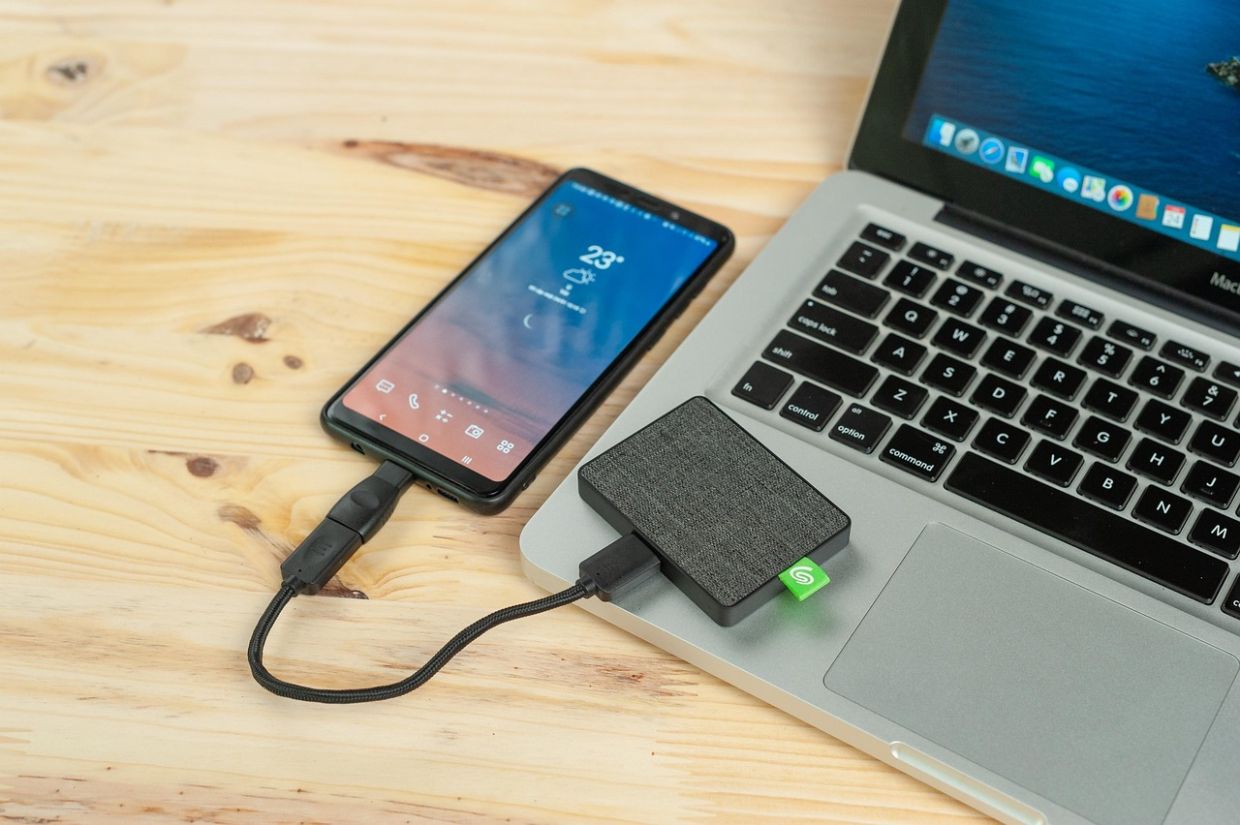
Eventually, Wong chose to spend on two hard drives, setting up a mirrored configuration as a more cost-effective way to protect his data. This means everything he saves on one drive is automatically copied to a second drive, so if one fails, his data is still safe.
For World Backup Day, Chai advised more users to consider having at least two backups. Customers often tell him that they didn’t expect to lose their data so easily.
“Whether it’s a physical backup or stored online, it doesn’t matter. Most customers don’t realise they need more than one until it’s too late. The key is to just get started,” he said.
Asyraf too emphasised the need for greater awareness about regular backups.
“Customers usually come when their data can no longer be recovered completely. Backups should be done before problems arise, not after,” he said.
He noted that the main problem isn’t with the technology, but users’ tendency to depend on a single device. He recommends using a combination of backup methods, such as cloud and external drives.
“Set up an automatic backup system to sync your files; otherwise, you’ll never get around to doing it. I also want to remind people that your data is more important than your device. Most users love their gadgets but take data backups lightly.
“The truth is, the device is replaceable, but you can’t say the same about the data. If the data is important, always keep more than one copy,” he concluded.