MENLO PARK, United States: Meta showed off new smart glasses on Sept 17 as it continued to bank on a lifestyle shift toward blending reality and virtual space despite the efforts inflicting heavy financial losses.
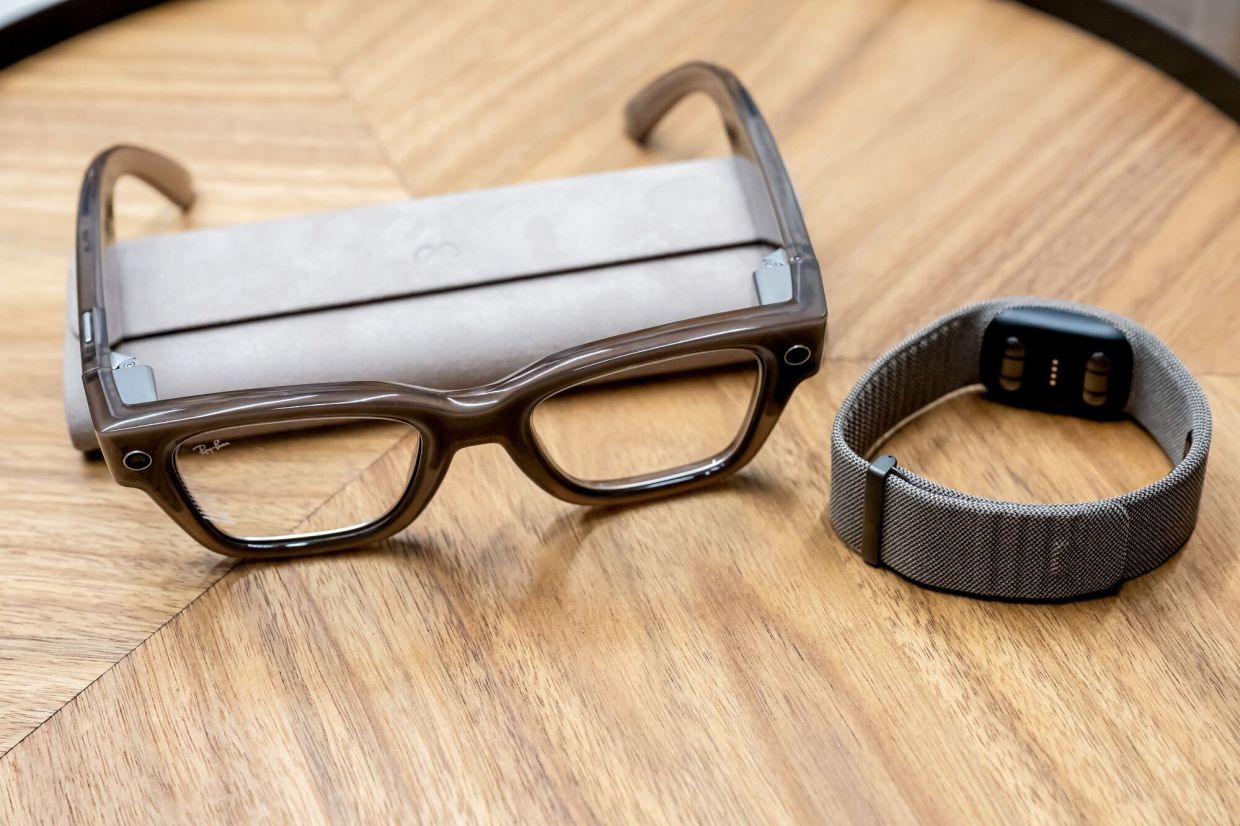
Announcements included the debut of Meta Ray-Ban Display smart glasses that have built-in screens that allow wearers to see messages, photos and more as though looking at a smartphone screen.
Billed as Meta's most advanced AI glasses, Ray-Ban Display comes with sensor-packed bracelets called neural bands that let people control the eyewear with subtle finger movements, and are priced at US$799 (RM3,352).
"Our goal is to build great-looking glasses that deliver personal superintelligence and a feeling of presence using realistic holograms," Meta chief executive Mark Zuckerberg said as he showed off new AI glasses at the tech firm's annual developers conference.
"These ideas combined are what we call the metaverse."
Zuckerberg has predicted that AI-infused smart glasses will be the "next major computing platform," eventually replacing the smartphone.
The tech titan began investing heavily in virtual reality and the metaverse about four years ago, with Zuckerberg changing the company's name from Facebook to Meta in late 2021 to reflect the strategy change.
But Reality Labs – Meta's virtual and augmented reality unit – has consistently posted big losses.
The unit lost US$4.5bil (RM18.87bil) in the second quarter of this year on revenue of just US$370mil (RM1.55bil), highlighting ongoing challenges in the metaverse business.
"There's no realistic chance that smart glasses sales make this division profitable in the short term," CCS Insight principal analyst Leo Gebbie said of Reality Labs while at the Meta event.
"Instead, this is about playing the long-term game to break free from smartphones, where Meta has been throttled by rivals Apple and Google, and to control its own destiny in wearables."
Smart glasses have seemed on the horizon for more than a decade, when Google's Glass headset and camera released in 2013 – although it has since been discontinued.
Meta has encountered more success with its frames developed alongside Ray-Ban, offering features including a built-in camera, music playback and voice interactions with the company's AI.
Replace smartphones?
The global smart glasses market was estimated at nearly US$2bil (RM8.39bil) last year and is projected to reach US$8.26bil (RM34.65bil) annually by the end of the decade, according to analytics firm Grand View Research.
"The next computing platform continues to come into focus," Meta said.
"AI glasses connect us to real-world superpowers as we move throughout the day, tapping into a wealth of information while staying present in the moment."
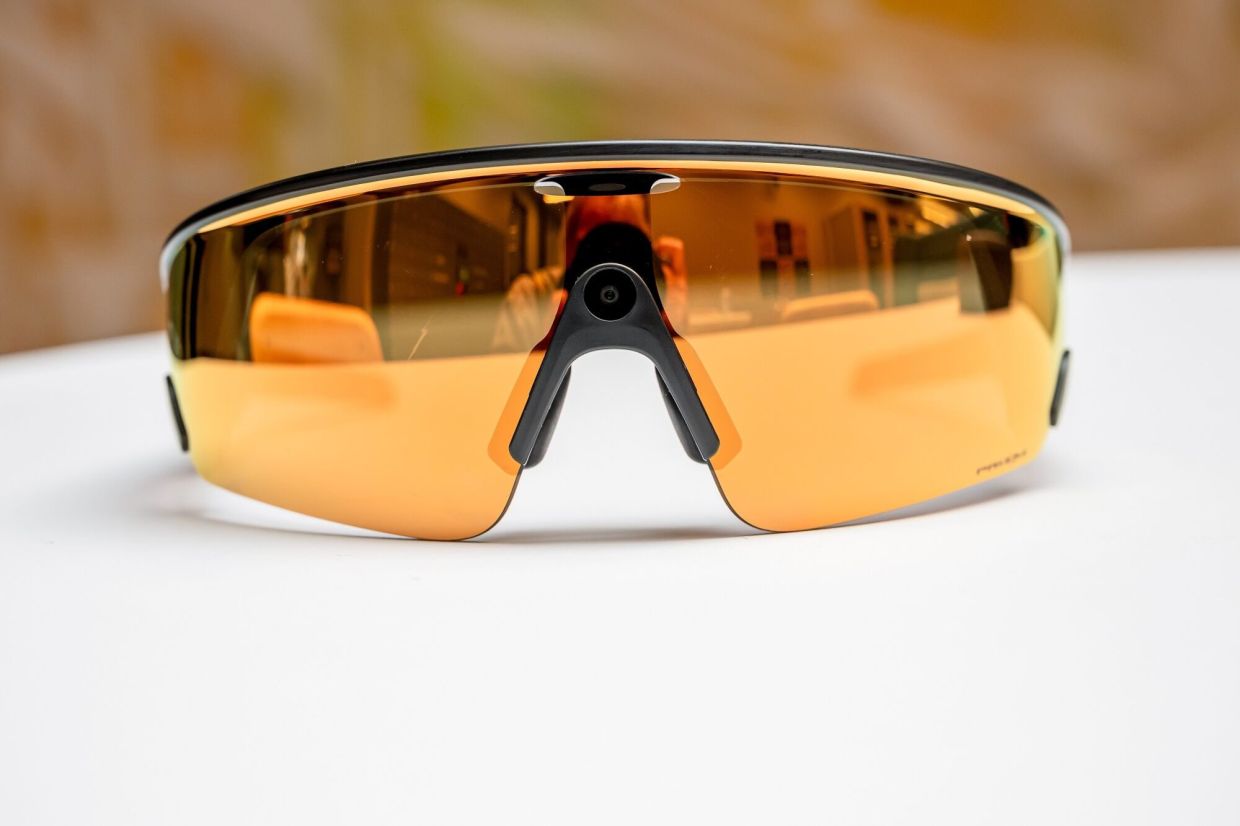
Zuckerberg unveiled new Ray-Ban Meta and Oakley Meta Vanguard smart glasses.
The smart glasses build on a partnership established in 2019 between between Meta and EssilorLuxottica, the parent company of Ray-Ban and Oakley.
Ray-Ban Meta glasses have become the top selling AI glasses in the world, with millions of units sold since launch, according to Meta.
Features include built-in cameras for hands-free photos or video, along with being able to call on a digital assistant and real-time language translation.
New Ray-Ban smart glasses start at US$379 (RM1,590).
Oakley Meta Vanguard are part of a category of "Performance AI glasses" tailored for use during athletic endeavors, and are priced at US$499 (RM2,093).
"We designed Oakley Meta Vanguard for high-intensity sports with an action-ready camera, integrations with fitness apps, immersive audio to elevate your workouts, and more," Meta said. – AFP