‘Like slaves’: Lebanon’s delivery riders struggle as crisis bites


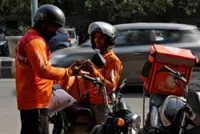
A file photo of a delivery worker from the mobile app Toters holding plastic bags of groceries, during a lockdown and a 24-hour curfew to curb the spread of the coronavirus disease (Covid-19) in Beirut, Lebanon on Jan 20, 2021. — Reuters

BEIRUT: His motorbike’s tank almost empty, Ahmad had barely enough fuel to make one more delivery and get home for the night. When the 24-year-old Syrian’s phone pinged with a food order in a distant suburb of the Lebanese capital Beirut, his heart sank.

Ahmad could ill afford to lose the work he picked up through local delivery app Toters – a precarious lifeline as Lebanon’s economic meltdown destroys thousands of jobs and plunges three-quarters of the population into poverty.

Get 20% OFF The Star Digital Access

Monthly Plan

RM 13.90/month

RM 11.12/month

Billed as RM 11.12 for the 1st month, RM 13.90 thereafter.

Best Value

Annual Plan

RM 12.33/month

RM 9.87/month

Billed as RM 118.40 for the 1st year, RM 148 thereafter.

Follow us on our official WhatsApp channel for breaking news alerts and key updates!

Next In Tech News

Australia steps up response to AI after OpenAI bot breaches health system database
Does good data protection for users really stifle tech innovation?
Anthropic’s AI is teaching itself biology. Now it’s made its first discovery
Honor launches X9e Pro from RM1,899 with 6.8in screen, 11,000mAh battery
Autonomous AI hacks raise thorny questions of legal accountability
Ads on ChatGPT: Scepticism of AI recommendations urged
Health wearables can help track trends, but doctors warn against relying on them alone
OpenAI’s AI tried breaching four other targets, without prompting
Berlin police start AI-powered street surveillance
Microsoft, Google confront rising data centre backlash

Others Also Read