




FGV reflects on its journey to reinforce governance and responsible labour practices.
WHEN the United States Customs and Border Protection (CBP) confirmed the modification of the Withhold Release Order (WRO) imposed on FGV Holdings Berhad, it marked more than the reopening of a key export market.
It signalled the culmination of a multi-year transformation that reshaped the group’s labour governance, sustainability systems and approach to long-term risk management.
Effective Jan 15 this year, the modification allows FGV, its subsidiaries, joint ventures and customers to resume exporting oil palm products into the United States.
For the group, however, the milestone represents a deeper lesson in corporate accountability, resilience and the discipline required to align operations with international labour and human rights expectations.
The WRO was first issued back in 2020, on Sept 30 during the Covid-19 lockdown.
The CBP had placed WROs on several Malaysian companies – FGV, its subsidiaries and joint-ventures included – following allegations that FGV’s workers were exposed to forced labour indicators.

Leadership, accountability at the core
Building on the good work done by previous FGV leaders, current group chief executive officer Datuk Fakhrunniam Othman believes that the WRO experience underscored the importance of decisive leadership and collective ownership across the organisation.
“Aligning top-level commitment to labour standards and international good practices was essential,” he said. “The process required hard decisions and a willingness to revamp traditional practices and introduce new ways of doing things.”
One of the earliest lessons was the need for group-wide involvement. FGV established a cross-functional WRO Task Force, jointly led by the group chief financial officer and the Plantation Division group director, to ensure reforms were practical and embedded across business units rather than treated as isolated compliance exercises.
“The ownership of the modification belonged to the whole company,” Fakhrunniam explained.
“That ensured remedial actions were implemented with consistency and accountability.”
FGV also prioritised working with credible partners, engaging a third-party independent auditor LRQA, which was formerly known as ELEVATE, to identify gaps in labour practices and support the development of a comprehensive remediation plan.
The group was supported by US-based legal counsel Crowell and Moring in its engagement with CBP. Fakhrunniam said: “Their expertise allowed us to implement measures aligned with international standards and proven best practices.”
Beyond short-term fixes
From the outset, the management approached the remediation process as an investment in the group’s long-term integrity and growth.
Engagement with CBP provided clarity on regulatory expectations, while internal reforms were designed to be sustainable rather than reactive.
Central to this approach was the principle that workers’ rights must remain the primary consideration.
Strengthening labour standards, Fakhrunniam noted, is not only a moral imperative but also essential to workforce stability and reputation.
“Migrant workers have strong networks. By enhancing their experience and ensuring their rights are respected, we reinforce FGV’s standing as an employer of choice and ensure a steady supply of workers interested to work with us,” he said.
The experience also reshaped the group’s governance mindset. Enhanced due diligence, risk management and internal controls are now seen as critical tools for identifying operational gaps early and ensuring long-term resilience.
In practical terms, the modification reverses the ban on FGV’s oil palm products entering the US market, reopening previously blocked trade channels.
It also reinforces the group’s position with global buyers, many of whom increasingly view compliance with labour and sustainability standards as a prerequisite for doing business.
Beyond market access, the development strengthens FGV’s reputation as a responsible corporate entity operating within evolving global regulatory frameworks.
On ground concrete reforms
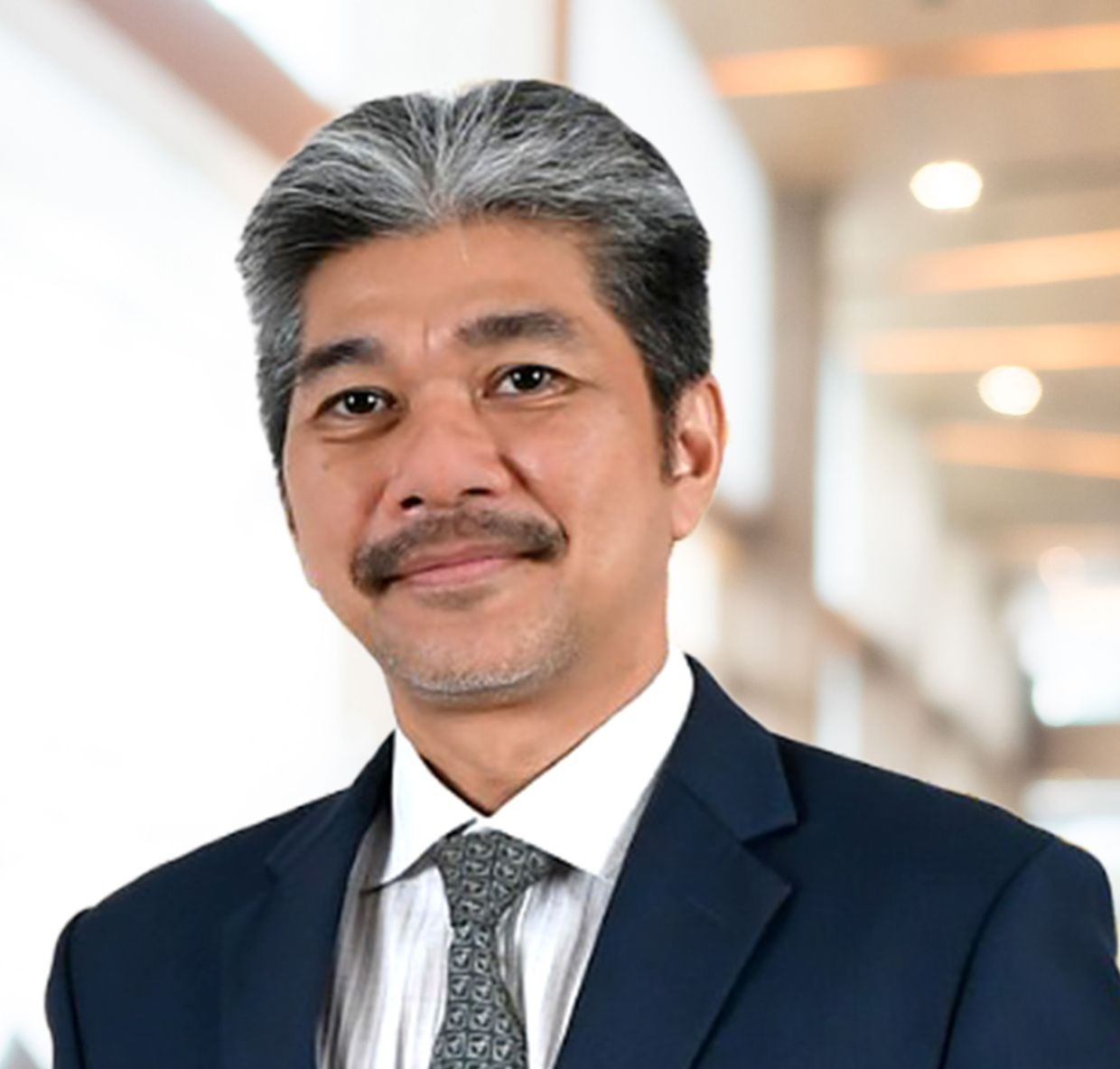
Building on the good work done by previous leaders, FGV’s current group director of plantation division Izham Mustaffa believes that the reforms that led to CBP’s decision were extensive and measurable.
FGV strengthened its recruitment procedures to align with ethical recruitment principles, tightening due diligence on recruitment agencies and institutionalising pre-departure and post-arrival investigations into recruitment fees.
A recruitment fee reimbursement programme was implemented, resulting in 23,461 active and former workers being reimbursed in line with the group’s commitment to a “no recruitment fee” principle.
Worker’s living conditions were also significantly enhanced.
Between 2024 and 2025, FGV upgraded 2,520 houses and constructed 1,002 new units.
Access to potable water was enhanced through upgrades to 27 FGV-owned water treatment plants and the installation of 1,193 water filters across 55 sites.
Internet connectivity was expanded via satellite installations at 165 remote locations.
Digital systems were introduced to monitor compliance with labour standards, including working hours, rest days and minimum wage requirements.
Workers’ voices were prioritised through the Harmony Communication Committees at estate level, while grievance mechanisms were strengthened through a Group Grievance Management Committee and a third-party grievance channel accessible via the FGV mobile application in workers’ native languages, with anonymity options.
FGV also collaborated with the National Union of Plantation Workers to reinforce freedom of association and union membership rights.

Embedding sustainability
Nurul Hasanah Ahamed Hassain Malim, who formerly served as FGV chief sustainability officer from March 2019 to January this year, said the WRO process accelerated improvements in labour governance and sustainability systems across the group.
One of the primary focus areas was responsible and ethical recruitment of migrant workers. Responsible and ethical recruitment is a critical aspect of FGV’s commitment to respect human rights and uphold human dignity”, she said.
“Once gaps were identified, we implemented a comprehensive remediation plan covering workforce engagement, health and safety, facilities, control mechanisms and stakeholder engagement.”
To ensure reforms were not one-off measures, FGV enhanced policies and standard operating procedures and introduced continuous monitoring through regular audits.
The human rights due diligence mechanism is also being strengthened to identify and address risks proactively.
These efforts reinforced the company’s Sustainability Framework, which was enhanced in 2024 and structured around five pillars: Economic Growth, Governance, Social, Environment and Innovation and Technology.
The framework aligns with national commitments such as Malaysia’s 12th Malaysia Plan and the National Action Plan on Forced Labour.
Supply chains under scrutiny
For some divisions in FGV, the WRO brought immediate operational challenges. Its group director of oils and fats division Zulkifli Othman noted that exports to the United States were halted, with some global buyers adopting a cautious stance, increasing scrutiny on traceability and labour practices.
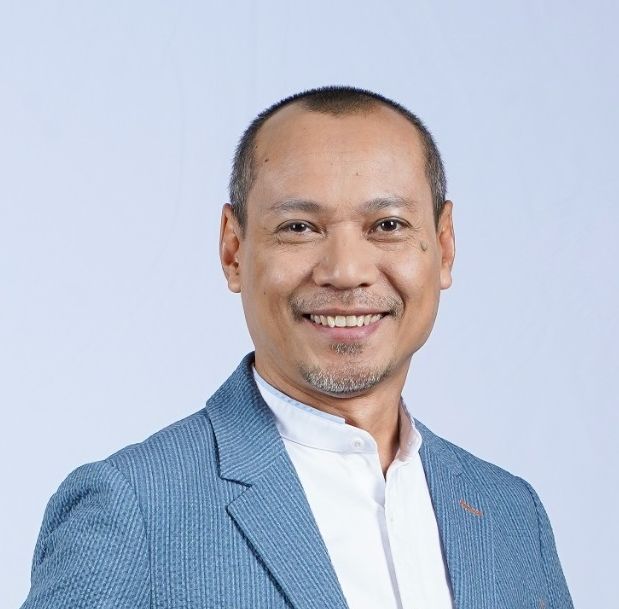
“The disruption pushed us to professionalise labour governance, tighten traceability and align more closely with global ESG expectations,” he mentioned.
FGV implemented end-to-end traceability systems, strengthened standard operating procedures and segregated supply chains to prevent mixing of products. Reliance on high-risk third-party suppliers was reduced, while monitoring and engagement with independent smallholders increased.
To maintain confidence, FGV engaged proactively with buyers, provided transparent updates on remediation progress and adopted flexible commercial arrangements, including redirecting supply to non-US markets where necessary.
Looking ahead, safeguards include permanent compliance frameworks, continuous audits, early-warning risk systems and broader market diversification to reduce dependence on any single geography.
Credible communications
Throughout the process, strategic communications played a critical role in managing stakeholder trust.
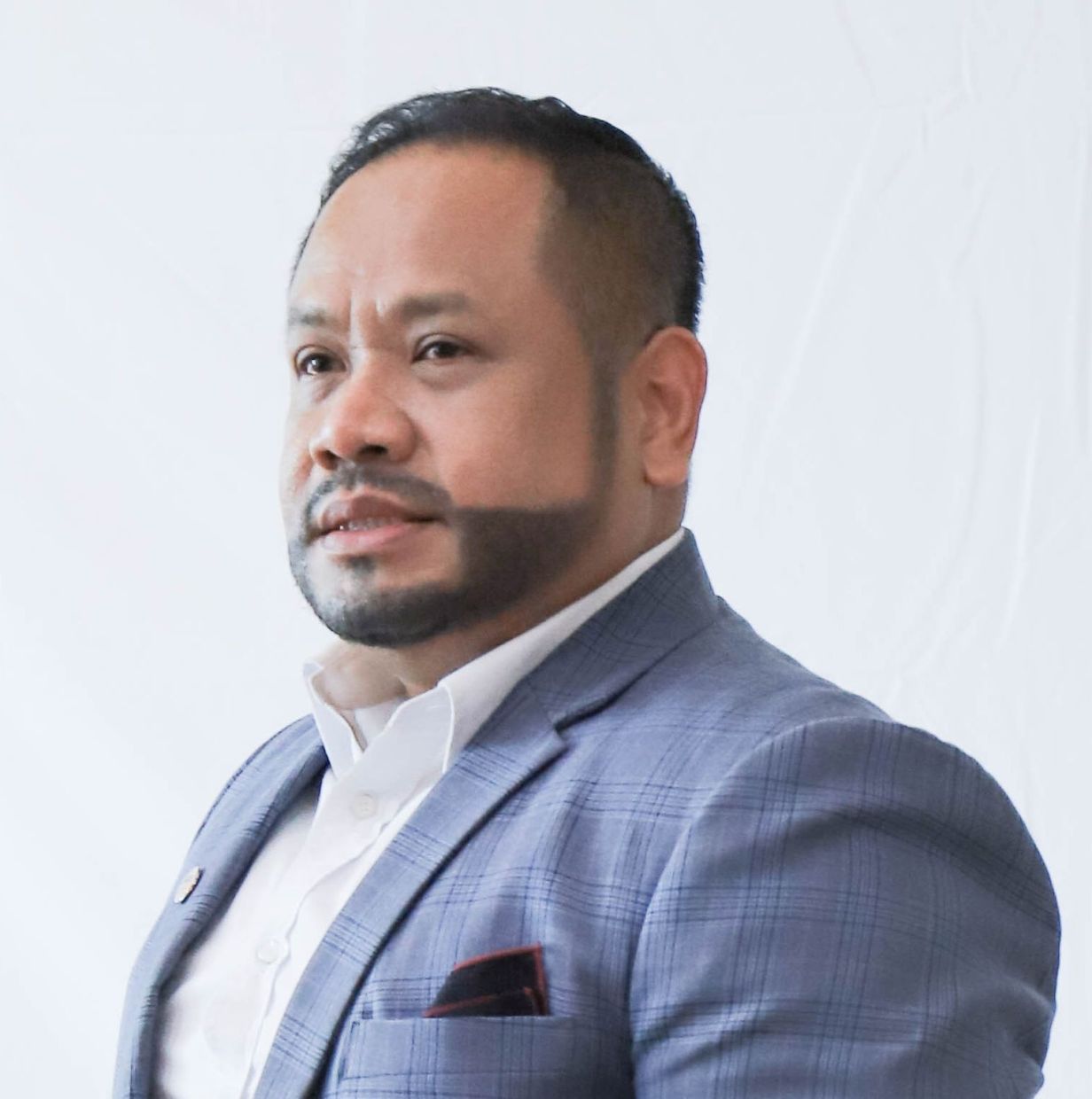
Chief strategic communication officer Azmi Yaakop said the group adopted a disciplined approach, balancing transparency with the need to avoid speculation.
“Communications focused on factual updates linked to verified actions and regulatory milestones,” he said.
“Credibility depends on accuracy and consistency, especially when engaging international regulators and media.”
As remediation actions were independently validated, the narrative evolved from crisis to reform and accountability.
The WRO modification shifts the focus to demonstrated progress while reinforcing the need for sustained standards.
Communications now support ongoing accountability through regular updates on labour practices and governance systems, ensuring that improvements are seen as institutionalised rather than temporary responses.
Stronger foundation
FGV’s view on the WRO modification is not one of an endpoint but a foundation.
Sustainability and human rights standards are now embedded as strategic drivers, reflecting the reality that market access, investor confidence and long-term growth increasingly depend on responsible practices.
As Fakhrunniam had said, “This experience strengthened our leadership, governance and capacity to make long-term investments in doing things the right way.”



