KIRSTY Coventry now holds the most powerful role in sports when she was elected as the 10th president of the International Olympic Committee.
Coventry, 41, from Zimbabwe, was the only woman among the seven candidates in the months-long election battle and will be the committee’s youngest president since Baron Pierre de Coubertin, their co-founder in the late 19th century.
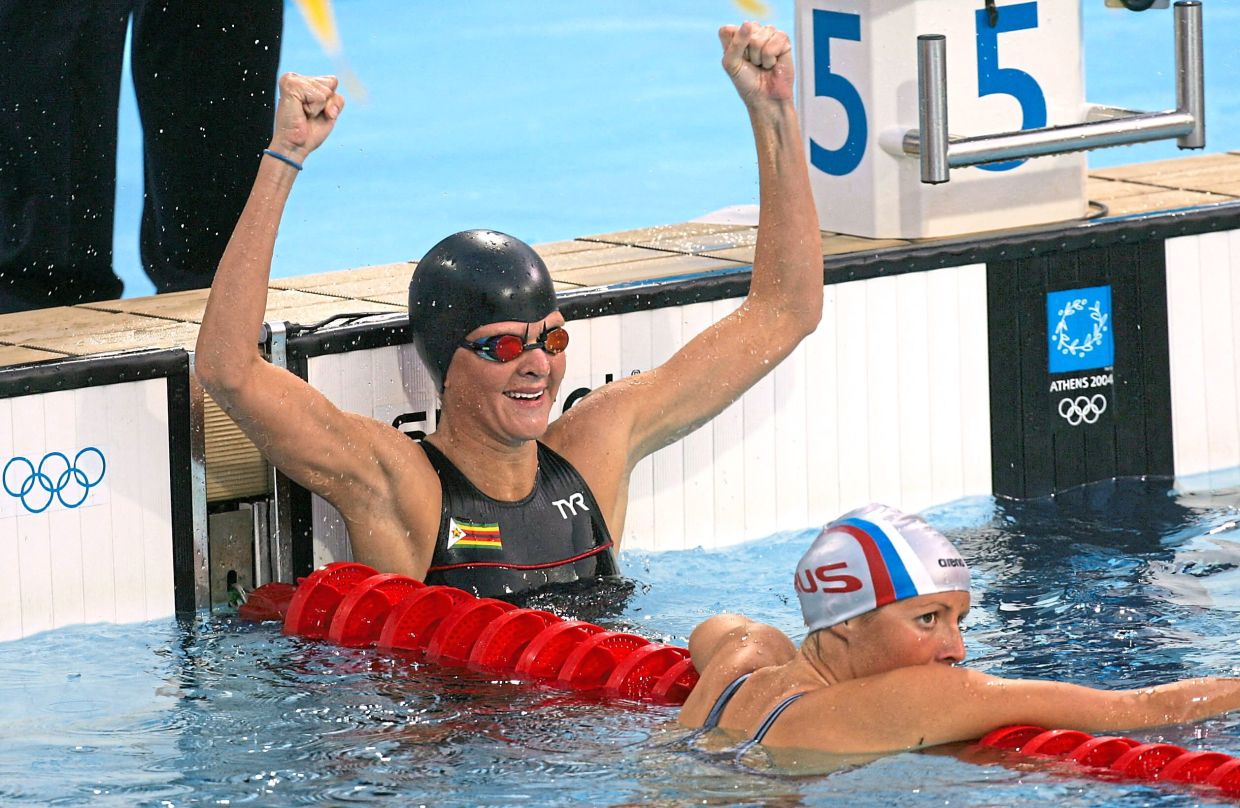
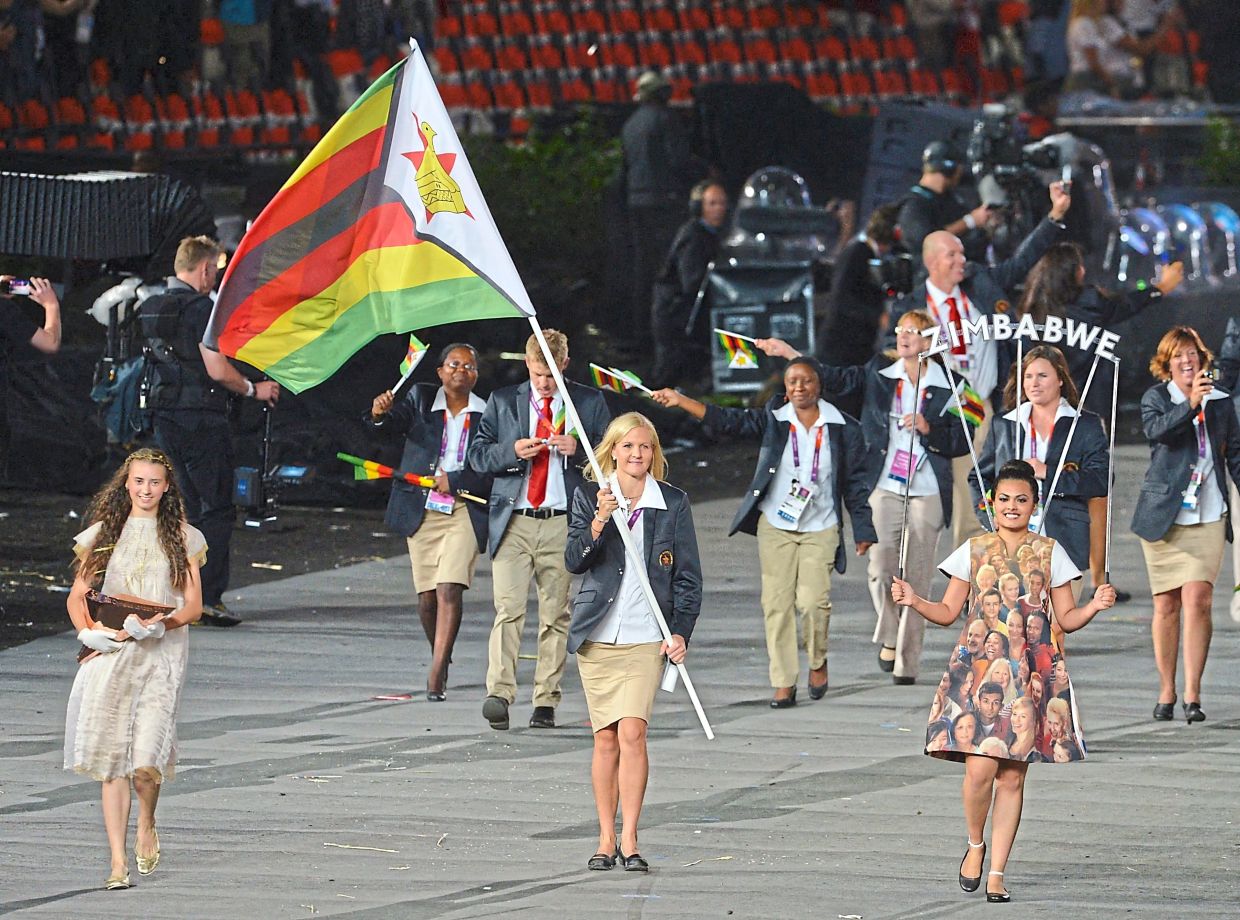
As a swimmer, she holds seven of her country’s eight Olympic medals, including golds at the 2004 and 2008 Games.
The election, which has been described in similar language to a papal conclave, was settled – to gasps by onlookers – in the very first round of secret voting by the International Olympic Committee. Their membership is an eclectic group that features not only sports leaders but also royals, business moguls and even Hollywood stars.
With her decisive victory, Coventry vaults to the very top of global sports, into a position that requires diplomatic, financial and management acumen as well as sports knowledge.
The IOC president must manage an institution responsible for awarding and staging Games every two years that generate billions of dollars and are coveted by politicians around the world as they seek to bolster their own and their nation’s profiles.
“It’s a signal that we are truly global and that we have evolved into an organisation that is truly open to diversity and we are going to continue walking that road in the next eight years,” said Coventry, who gave birth to her second child while campaigning for the post.
The role is not for the faint of heart.
The departing leader, Thomas Bach of Germany, a former gold medal-winning fencer, served a 12-year presidency marked by a series of crises, revelations that Russia had corrupted international sports for at least half a decade through a state-backed doping programme, a revolt among some Western democracies over the cost of hosting the Olympics and a pandemic that upended the movement, forcing the Tokyo Olympics to be held without spectators a year later than scheduled.
Coventry has urgent issues to deal with right at the start.
The next Summer Olympics will take place in Los Angeles in 2028, at a time when American leadership around the world is under scrutiny.
There are also significant decisions to be made about the rights of transgender athletes as well as about the challenges posed by the climate crisis.
“The next president will have a different set of problems,” said Michael Payne, a former marketing director of the IOC, which, he added, is an “organisation like no other.”
“It is a balancing act to be able to lead a global semi-governmental organisation and at the same time run it as if you’re leading a Fortune 500 company because you have to make the business work.”
Asked about having to deal with President Donald Trump in preparation for the Los Angeles Games, Coventry quipped that she had decades of experience of handling “difficult men in high positions.”
Coventry, who has been sports minister in the Zimbabwe government for seven years, a role that has sometimes drawn ugly scrutiny, said she would lean on the other candidates to discuss ways to move the IOC forward.
Her manifesto was perhaps the least revolutionary, short of policy ideas, but with a commitment to listen to members, who had complained about being sidelined under the powerful Bach.
“We might not always agree but we have to be able to come together for the benefit of the movement,” she said.
The election itself was hotly contested and featured a byzantine set of rules and regulations that the candidates chafed at and sometimes openly criticised.
Access to voters during the election period was strictly controlled and there were even warnings over what to include in publicity materials, leading one member to use photographs generated by artificial intelligence after a restriction on the representation of any individuals other than the candidates themselves.
In the final days and hours before the vote, at a secluded luxury holiday resort in southern Greece, rumours of rule-breaking and paranoia gripped many of the campaign teams. That followed smear campaigns targeting some of the candidates – including Coventry – that had appeared online, and an anonymous complaint listing a range of potential election rule breaches that was sent anonymously to the IOC’s ethics chief.
In the end it was over almost as soon as it had begun, with Bach and the IOC’s top administrator, Christophe de Kepper, looking stunned when a scrutineer handed over the first-round results.
“You have elected a new IOC president,” a wide-eyed de Kepper said.
The victory was also immediately hailed as one for the outgoing Bach, who did much to ensure Coventry was considered a legitimate contender to replace him, working the phones and pressing members to pick the one candidate who had his backing.
The voters listened, delivering Coventry the minimum 49 votes she required to secure a majority.
Bach had made clear what he thought was the best profile for the next president – “Olympic champion, non-European, different generation” – said one of her defeated rivals, Juan Antonio Samaranch Jr.
Samaranch had been bidding to follow in the footsteps of his father, who transformed the Olympic movement in his two decades at the helm.
“The vast majority of IOC members voted for Kirsty Coventry,” he said.
“And that meant they had an idea they wanted a generational change, opening the IOC to another continent, to another generation and to another gender.” — NYT
Already a subscriber? Log in
Get 20% OFF The Star Digital Access
Cancel anytime. Ad-free. Unlimited access with perks.