
PETALING JAYA: Malaysia’s four-gold haul in squash at the Aichi-Nagoya Asian Games underlined the steady progress of the national programme, but Squash Racquets Association of Malaysia (SRAM) president Gerard Monteiro believes continued investment is crucial to keep the momentum going.
The four gold medals in Japan represented another step forward for Malaysian squash, which has improved its medal return at every Asiad since Gerard took over as SRAM president in 2020.
Malaysia won two golds each at the 2014 Incheon and 2018 Jakarta-Palembang Games before claiming three at Hangzhou in 2023 and four in Aichi-Nagoya.
“There has been good progress made by our national players and the programmes that they have been put into,” said Gerard.
Ng Eain Yow and S. Sivasangari have emerged as key examples of that progress, with both securing places at the Los Angeles Olympics after successfully defending their individual Asian Games titles. Malaysia also won both the men’s and women’s team events.
Gerard said the rise of players such as Sivasangari, Aira Azman, Aifa Azman and Rachel Arnold showed that Malaysia were gradually filling the void left after the retirement of squash great Datuk Nicol David.
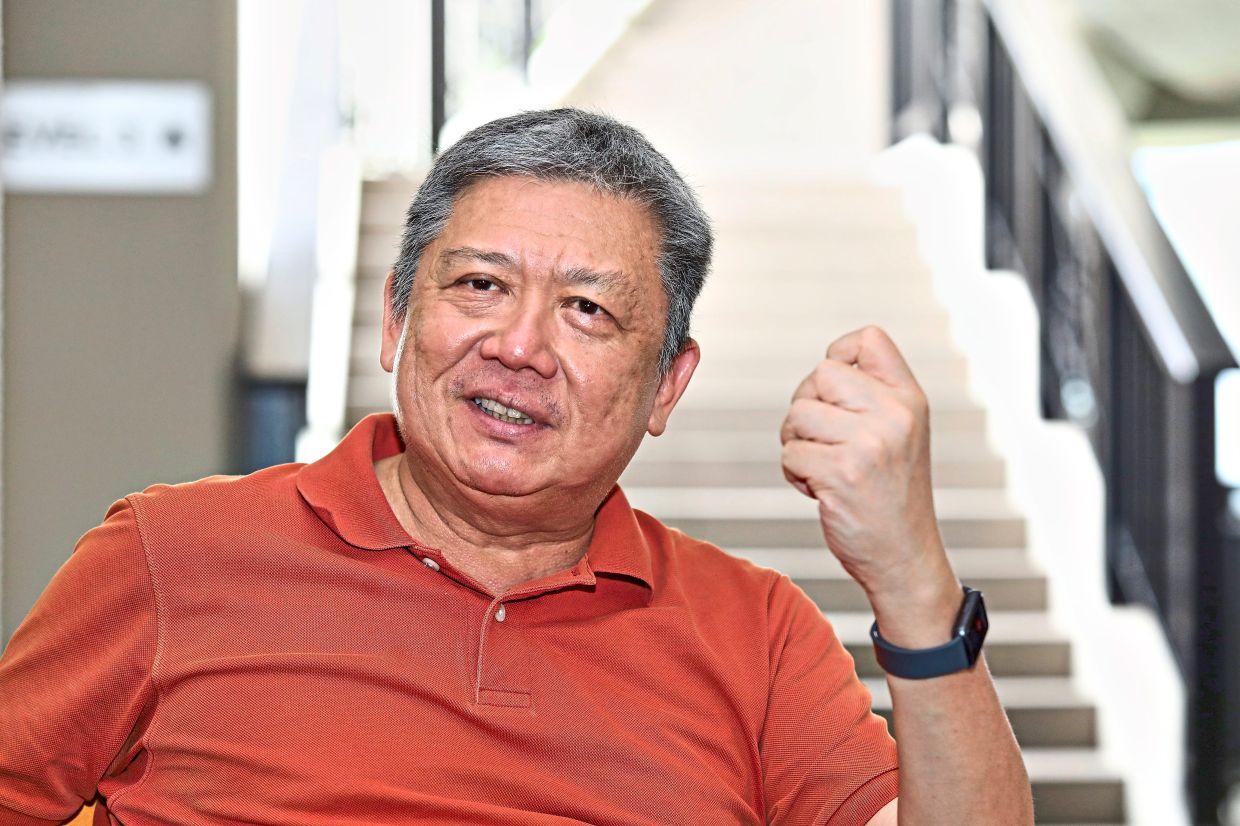
“For some time we had that void. But with players like Sivasangari, Aira, Aifa and Rachel, we see them working their way up the ranks.
“And that goes for the men’s team as well. There are many players in our programme who are getting the exposure and experience they need to improve further,” he said.
However, Gerard warned that Malaysia cannot afford to become complacent if they want to remain among the world’s leading squash nations.
While SRAM receive sufficient funding from the National Sports Council (NSC) to run their programmes and meet the needs of national players, he believes greater private-sector involvement is needed to strengthen the system, particularly at junior and development level.
“We get enough to operate and provide our players with all that they need to train and compete, but without additional help from the private sector, things could become stagnant or even regress,” he said.
“The support is especially important for the junior and development programmes because they serve as the bridge between identifying talent and producing world-class players.”
Already a subscriber? Log in
Get 20% OFF The Star Digital Access
Cancel anytime. Ad-free. Unlimited access with perks.