After a 15-year professional career that included World Boxing Association light-welterweight titles and welterweight world championships, Ricky Hatton retired in 2012. He finished 45-3 in 48 bouts, with 32 knockouts.
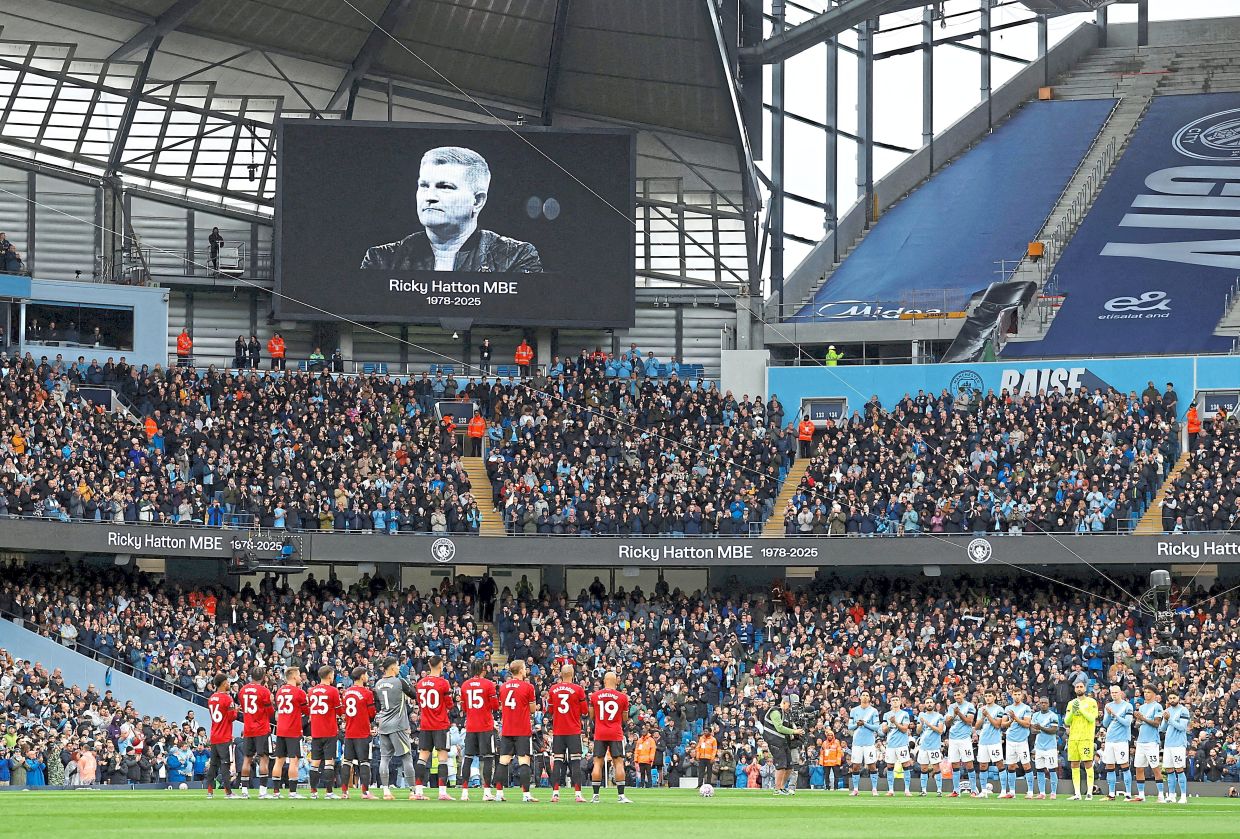
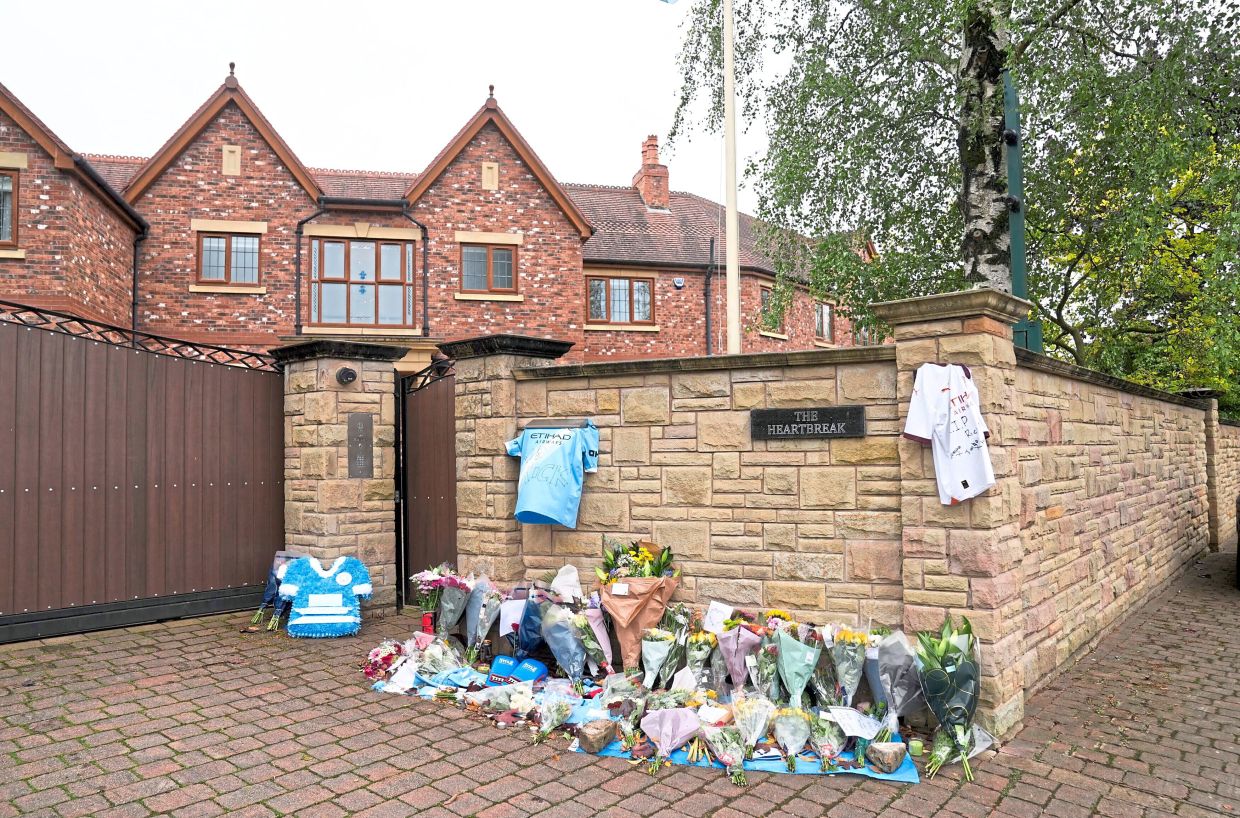
Hatton, who has been battling depression, died on Sept 14.
He was 46.
Hatton was “famous for his all-out fighting style, taking unnecessary punches in search of the crowd-pleasing knockout,” The New York Times wrote in 2009.
“A true champion, an indomitable spirit and a legend of the sport,” the WBA said on Instagram.
The Hitman had a perfect 43-0 record until he was defeated by the unbeaten Floyd Mayweather Jr. in 2007 in Las Vegas, Mayweather’s hometown.
Thousands of British fans, including David Beckham, packed the arena, and sang “There’s only one Ricky Hatton” to the tune of “Winter Wonderland.”
An estimated 350,000 British homes watched on a pay-per-view broadcast that began about 5am in London.
After being knocked out, Hatton got up and even took a microphone to thank his fans for coming.
His second loss came in 2009, when Manny Pacquiao knocked him out, also in Las Vegas.
That defeat – a Los Angeles Times columnist wrote that “Hatton may have been on his back longer than he was on his feet during the fight” – began a downward spiral for Hatton, he later acknowledged.
“Being a proud man and a warrior, to get splattered in two rounds like I did was really hard to come to terms with,” Hatton told the BBC in 2011.
“When I tried to get back into training, I realised the hunger was gone and my career was over.”
In a statement, Pacquiao said, “Ricky fought bravely, not just in the ring, but in his journey through life.”
Hatton retired, and in 2011, he said that he had slipped into a depression.
In his autobiography, “War and Peace: My Story,” he wrote that he had attempted suicide several times.
“I’d go out, have a few drinks, start sulking and start feeling sorry for myself,” Hatton told the BBC.
“I kept coming home and crying to my girlfriend, saying: ‘I want to end it. I don’t want to live.’ Depression is a very serious thing. People don’t realise how deadly it can be.”
He made a comeback in 2012, which resulted in a nine-round loss to Vyacheslav Senchenko.
“I don’t want to make any hasty decisions,” he said after that loss, as tears welled in his eyes.
“But I’m heartbroken. I’m just booted. I can’t.”
He retired again, but he announced in July that he would make a second comeback in December in Dubai, United Arab Emirates.
“I think it’ll be a sensational evening,” he said in an announcement for the fight.
Richard Hatton was born Oct 6, 1978, in Stockport, England, outside of Manchester, and grew up in the Greater Manchester area.
His father, Ray Hatton, played football for Manchester City and had several pubs, and his mother, Carol Hatton, worked in a clothes shop in Hyde, England.
He wrote in his autobiography that he was first drawn to boxing after watching martial artist Bruce Lee on television.
He starting kickboxing, and his coach suggested that he switch to boxing.
“Boxing is one of those sports where you get whacked on the nose and you either like it or you think, ‘It’s not for me, this game,’” he wrote. “I was hooked.”
In 2007, Hatton was named a member of the Order of the British Empire for his contribution to sports.
He was enshrined into the International Boxing Hall of Fame last year.
“I had some wars, didn’t I?” Hatton said during his induction speech. — NYT
Already a subscriber? Log in
Get 20% OFF The Star Digital Access
Cancel anytime. Ad-free. Unlimited access with perks.