THE Prime Minister defending the subsidy changes and rejecting the “Robin Hood” label makes good economic sense.
The 2022 Auditor General’s Report highlighted that over RM55bil is spent on subsidies. It stressed that Parliament should closely analyse and strongly debate this as it is significant funding by any measure.
Due diligence and examination of these substantial costs are part and parcel of good governance.
This key issue must be effectively and urgently tackled, especially given the increased subsidies in 2023, which will total around RM81bil, the majority of which will fuel assistance.
Put simply, the government must reduce subsidies to lower the budget deficit. Higher borrowings or debts to pay for these subsidies means higher future interest payments and higher tax collection to repay the debts.
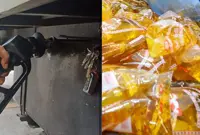
For Budget 2025, the government rightly announced retargeting RON95 fuel subsidies, which will take effect mid-next year.
Note that Malaysia is among the nations providing the highest subsidies and has one of the lowest tax systems in the world.
Whilst there is a debate to confirm what income level constitutes the T15 high-income group, the economic universal principle of fairness supports the argument that this group should no longer benefit from the fuel subsidy.
Subsidies may be desirable in the short term to help overcome the pressure of living costs. But they must be properly targeted for our population’s deserving, lower-earnings sector. Put simply, this wealthiest group is most able to pay the market or cost price here.
SZE LOONG STEVE NGEOW
Kajang
Already a subscriber? Log in
Get 20% OFF The Star Digital Access
Cancel anytime. Ad-free. Unlimited access with perks.