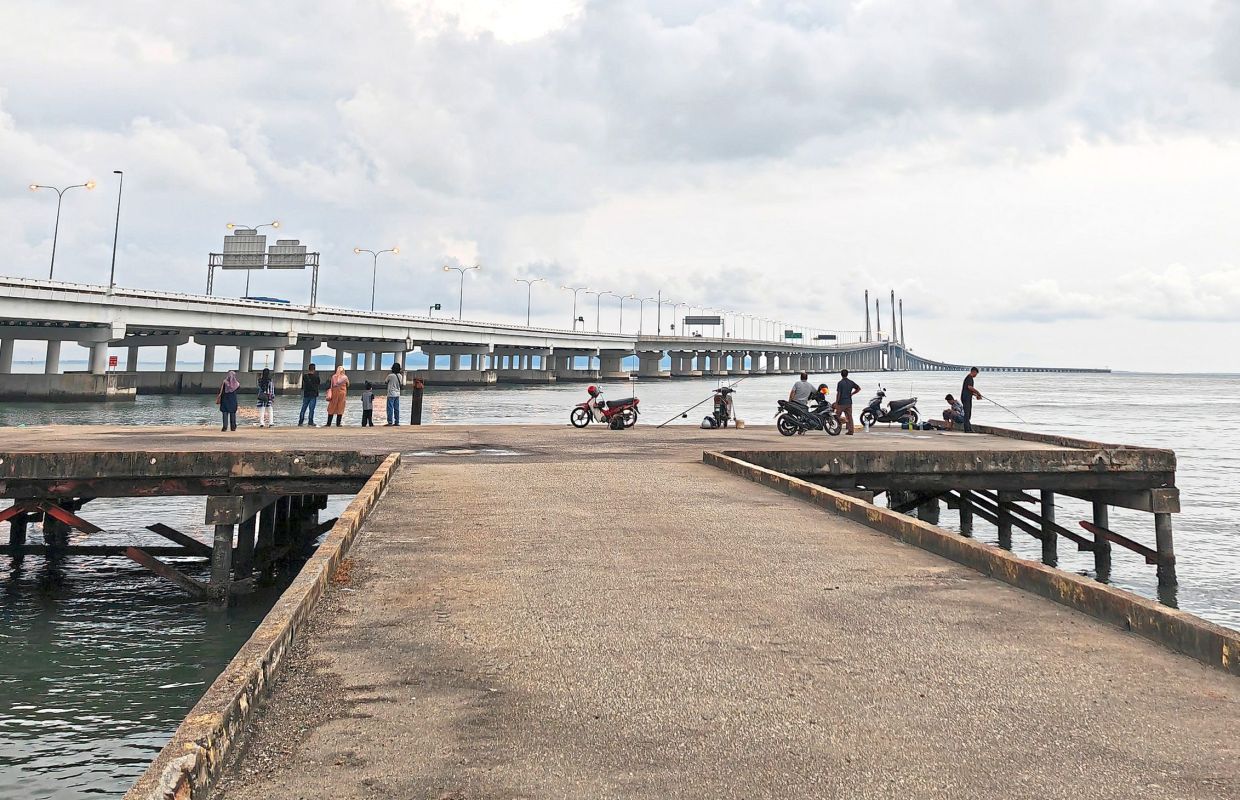
An integrated ferry network may address future traffic congestion in Penang
THOSE who have been to the Chao Phraya River in Bangkok, Thailand, will notice how vibrant and active the riverfront is.
The waterway is both a lifeline and an attraction with ferries, water taxis and tourist boats weaving constantly between landmarks such as IconSiam, Asiatique The Riverfront and the historic Rattanakosin district.

A similar energy can be found at Victoria Harbour in Hong Kong, where the waterfront buzzes with ferries, sightseeing cruises and private boats.
I have seen promoters lining the promenades with placards, inviting passers-by to experience the harbour’s skyline and illuminated nightscape.
These are examples of how water transport, when thoughtfully integrated into urban life, can support local mobility and tourism.
In Penang, a water taxi service was initially slated for launch next year, but the appointed operator failed to secure the necessary approvals from the Transport Ministry.
The service was planned to operate between Straits Quay, Weld Quay, Pantai Jerejak and Batu Maung, with services running at intervals of 15 to 45 minutes.
Despite the setback, state transport and infrastructure committee chairman Zairil Khir Johari has remained steadfast in pushing the initiative forward.
He believes the water taxi network should connect both the island and the mainland, rather than focus solely on island routes.
He added that the state was studying cost-effective water taxi models implemented in other countries, such as India, as potential benchmarks for Penang’s own system.
To me, getting this water taxi service up and running is crucial. And ideally, it should include the Teluk Bahang jetty as one of its stops.
What if a landslide along the winding Batu Ferringhi road cuts off access between Teluk Bahang and the city?
With the North Coastal Paired Road (linking Tanjung Bungah and Teluk Bahang) expected to be completed only in 2031, residents would have no direct route except through Balik Pulau, a long and inconvenient detour.
This is where a water taxi service could offer an alternative route for those in Teluk Bahang or Batu Ferringhi to reach Weld Quay or Batu Maung efficiently.
During a recent working trip to Hong Kong, I met a fellow Penang “lang” (person in Hokkien), KK Ong, who is the chief commercial officer of HK Express, a low-cost carrier under the Cathay Group.
His parents still live in Tanjung Bungah, so he knows well that traffic in the Mount Erskine and Tanjung Tokong areas has grown almost unbearable during long weekends.
From his perspective, a water taxi service will uniquely be suited to Penang, given the island’s natural access to waterways.
There are water taxis in Hong Kong, of course.
But for such a service to succeed, he stressed that the last-mile connectivity is crucial, and done right, it will certainly help bypass some of Penang’s most notorious traffic bottlenecks.
That made me wonder why Penang water taxis are still on the drawing board.
Traffic congestion is expected to intensify once construction for the Penang Light Rail Transit (LRT) Mutiara Line begins, with completion expected in 2031.
The Pan Island Link 1 (PIL1) highway, connecting Persiaran Gurney to the island’s southeast district, is also still pending.
For those living in Tanjung Bungah, travelling to Penang International Airport during peak periods could be far more convenient via water taxi.
Board it at Straits Quay pier and disembark at Batu Maung pier.
From there, Rapid Penang’s On-Demand (ROD) service can provide the final leg of the journey, completing an efficient and integrated first- and last-mile connection.
Penang’s waters are more than a scenic backdrop. What is needed now is making it happen soon.
Now, if only the water taxis in Penang will become a reality.
Already a subscriber? Log in
Get 20% OFF The Star Digital Access
Cancel anytime. Ad-free. Unlimited access with perks.