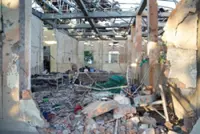
AMMAN (Reuters) - In a restaurant in the once bustling Hamidiyah souk of the old city of Damascus, waiters prepare to serve a handful of customers in an ornate room with many empty tables. A singer now performs there weekly, instead of every day.
"The number of customers has almost halved," says Ahmad, a manager at the famous Abu al Izz restaurant, as he reminisces over days when he would turn away diners who could find no place to sit at the establishment's 250 tables.
Already a subscriber? Log in
The Star Festive Promo: Get 35% OFF Digital Access
Cancel anytime. Ad-free. Unlimited access with perks.
Follow us on our official WhatsApp channel for breaking news alerts and key updates!