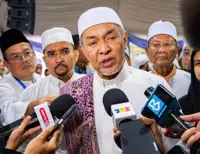
PETALING JAYA: The formation of a new Negri Sembilan executive council presents a kick-start to the state administration after months of prolonged political uncertainty, say analysts.
They said the swearing-in of the six new exco members yesterday was an important step towards restoring stability and confidence, enabling the state administration to focus on governing and fulfilling its responsibilities.
National Council of Professors fellow Prof Dr Azmi Hassan said the most important development was that the state now had a functioning mentri besar who could communicate with the Yang di-Pertuan Besar of Negri Sembilan.
The earlier political impasse, he said, was not caused by problems within the state government but from internal party struggles and communication difficulties between state leaders and the palace.
“From today, the state government must be able to perform its duties and deliver on its promises to the people,” he said when contacted.
Negri Sembilan has been without an executive council since Sept 20, when all 10 members were dismissed following a declaration seeking Tuanku Muhriz Tuanku Munawir’s removal.
The latest appointments mark a change in the composition of the state administration, from 10 exco members to six.
Universiti Sains Malaysia political analyst Prof Datuk Dr Sivamurugan Pandian said the swearing-in signalled a pragmatic political compromise aimed at restoring administrative stability and ensuring continuity in state governance.
“It suggests that political leaders recognise the need to move beyond internal disagreements and prioritise the people’s interests,” he said.
Asked whether the appointments indicated political stability, Sivamurugan described the development as a political truce rather than a complete settlement.
“The new exco provides a working arrangement but questions of political trust, party alignments and the mentri besar’s position may still linger.”
Universiti Malaya political analyst Dr Mohammad Tawfik Yaakub said one of the biggest challenges facing the new exco team was transitioning from elected representatives to policymakers and state administrators.
“Managing a constituency is very different from managing an entire state portfolio, which requires an understanding of public administration, financial management, policy implementation and constitutional boundaries.”