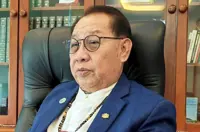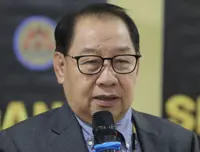
KUCHING: Parti Rakyat Sarawak (PRS) president Datuk Seri John Sikie Tayai is relishing the challenge of facing Dr John Brian Anthony in the upcoming Sarawak state election.
John Sikie, who has served as Kakus assemblyman since 1991, was responding to rumours of an impending clash with the Parti Bansa Dayak Sarawak (PBDS) president, saying that he is ready to face John Brian and any other potential challengers.
“It would be a sensation. I’ve heard that he might contest (against PRS) for quite a while. I’ve been hearing that he wanted to challenge me in the past month.
“It’s a democratic country; he can contest anywhere he wants. If he decides to contest against us, then we will fight. We will try our best,” the seven-time Kakus assemblyman told reporters before the announcement of Gabungan Parti Sarawak (GPS) candidates for the 13th Sarawak state election here on Wednesday (Nov 25).
PRS was formed in 2004 by a breakaway faction of PBDS led by the late Sarawak deputy chief minister, Tan Sri Dr James Jemut Masing, following a leadership tussle.
This led to the deregistration of PBDS in October 2004 after a rival dispute between Masing and the then deputy president, the late Datuk Seri Daniel Tajem, could not resolve the party’s presidency succession issue and did not meet the conditions set by the Registrar of Societies (RoS).
In 2013, PBDS Baru was formed as an offshoot to carry on PBDS’ legacy. The party applied for a name change from PBDS Baru to PBDS, and this was approved by the RoS in 2022.
John Brian announced that he would be contesting in Kakus on Tuesday, following the PBDS’ official announcement of its candidates for the upcoming Sarawak state election.
He described his potential electoral clash with John Sikie as “strategic”, as he had “nothing to lose” if he failed to unseat the incumbent. He said that the political implications would be greater for John Sikie.
John Sikie said basic infrastructure will remain a key focus to develop Kakus situated in Tatau, Bintulu.
“The next mission was to strengthen the local socioeconomy and raise the household monthly income,” he said.