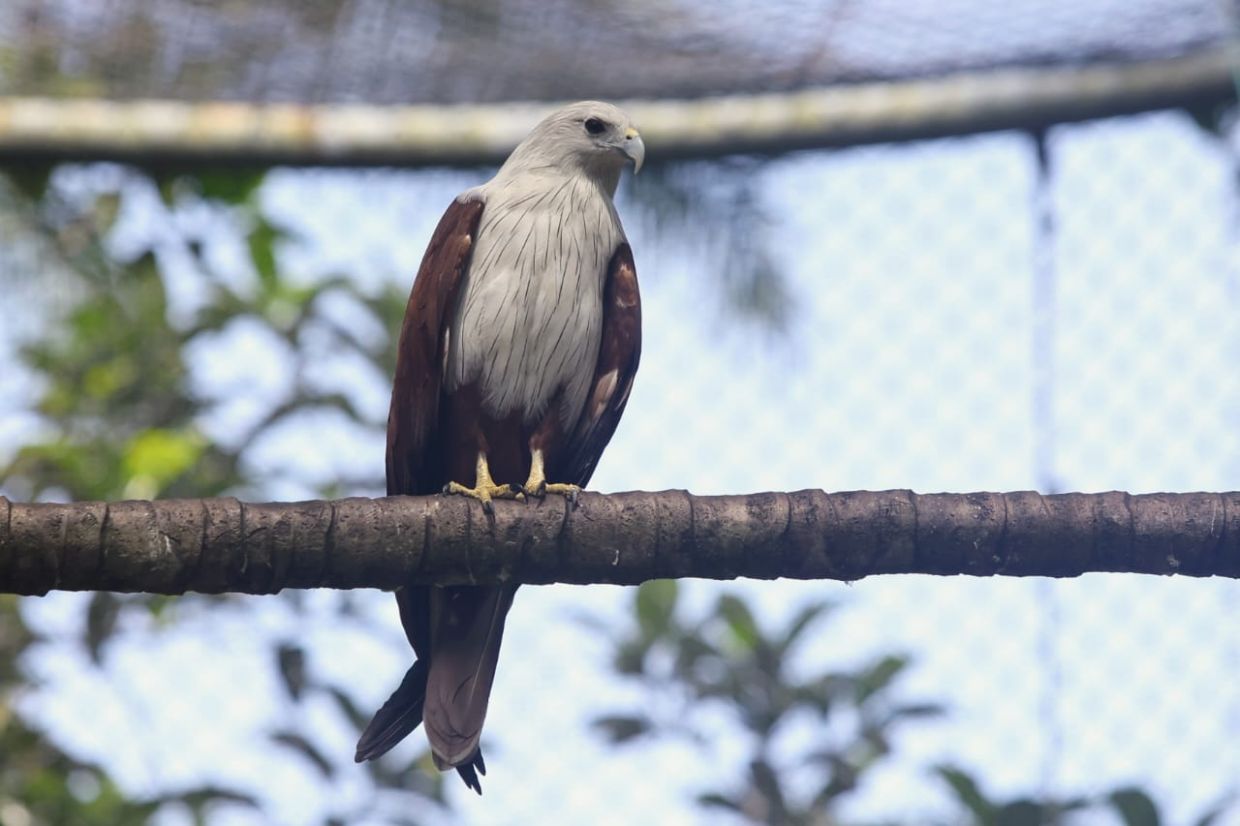
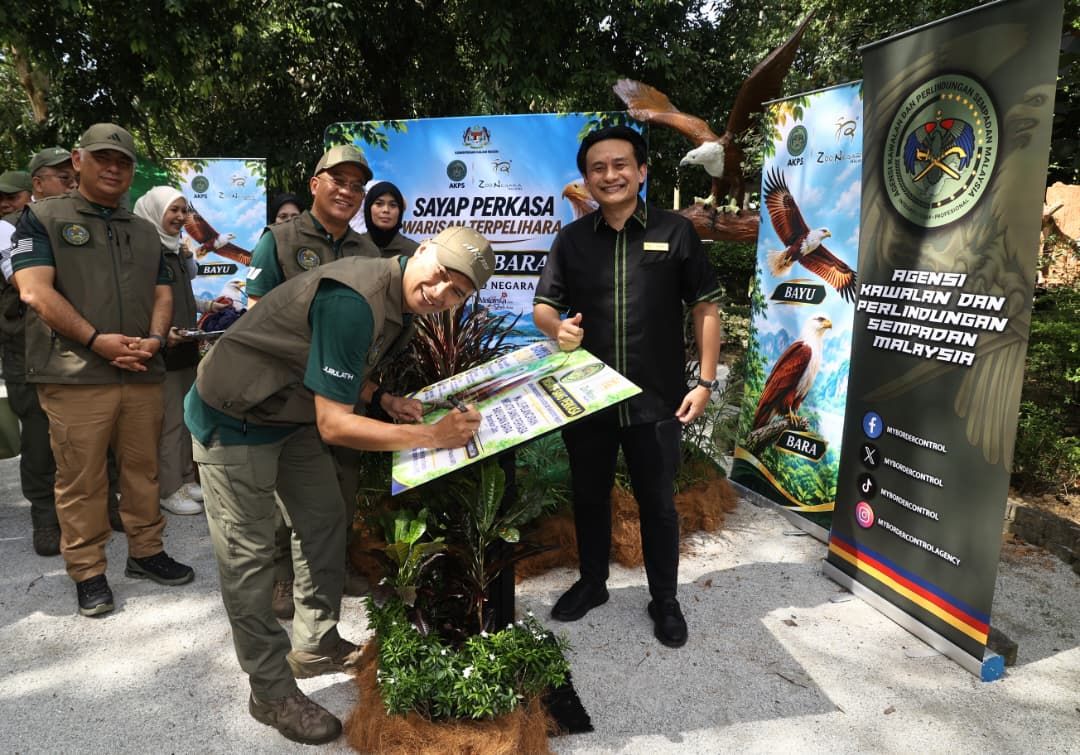
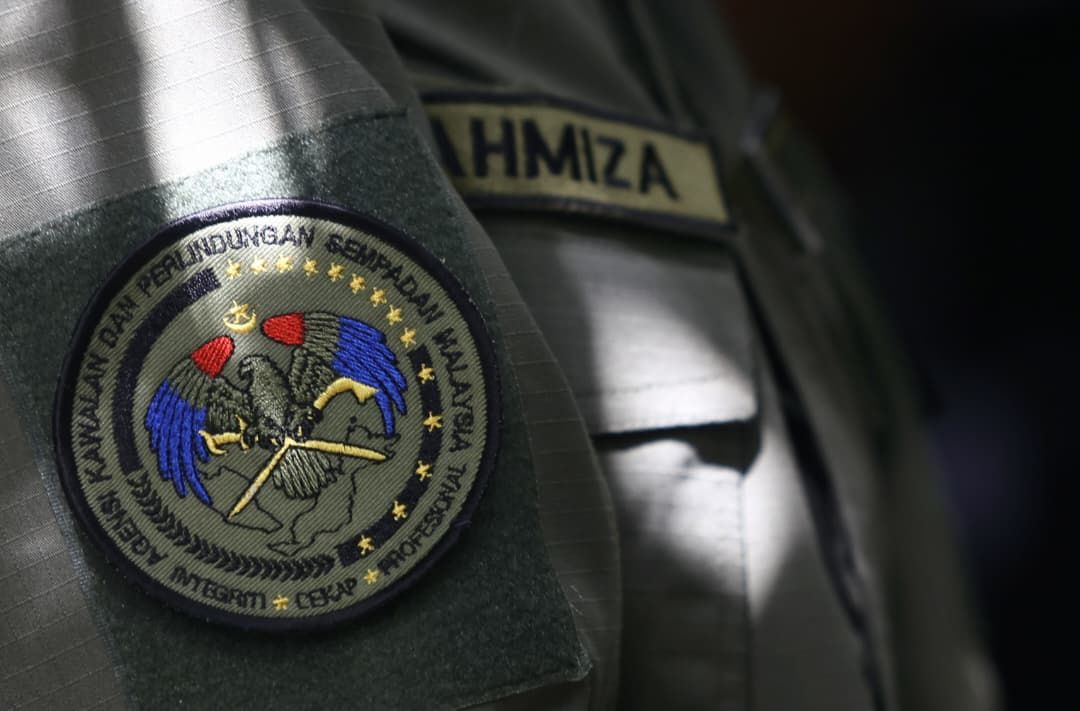
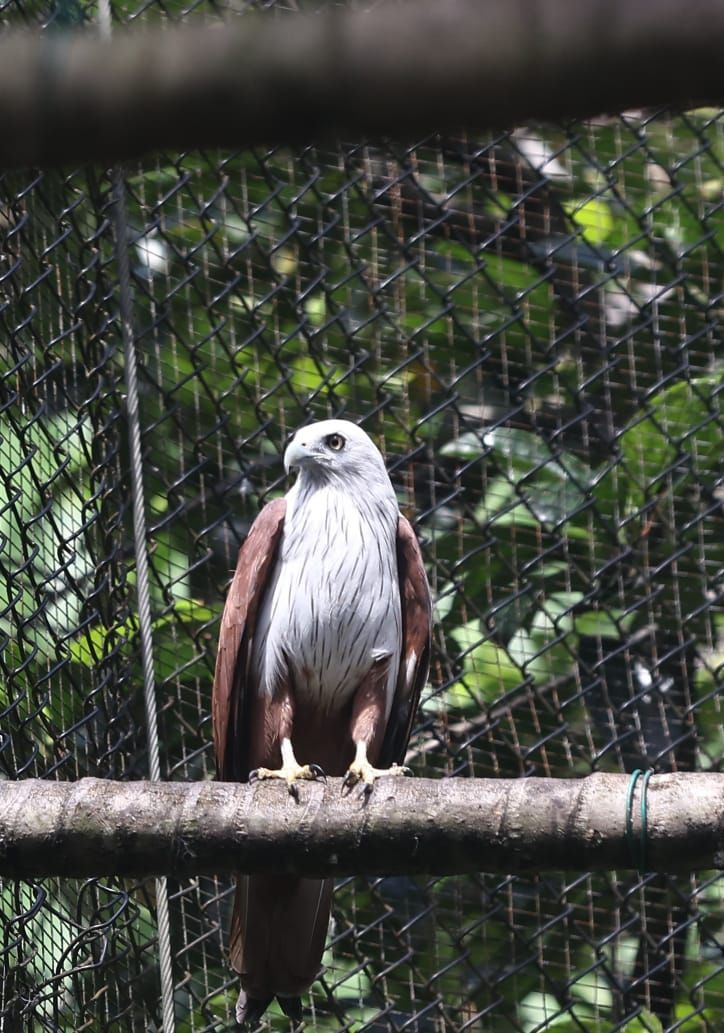
KUALA LUMPUR: Two red-backed sea eagles named Bayu and Bara are now the faces of the Malaysian Border Control and Protection Agency's (AKPS) wildlife conservation initiative, with the agency allocating RM12,000 for their upkeep at Zoo Negara.
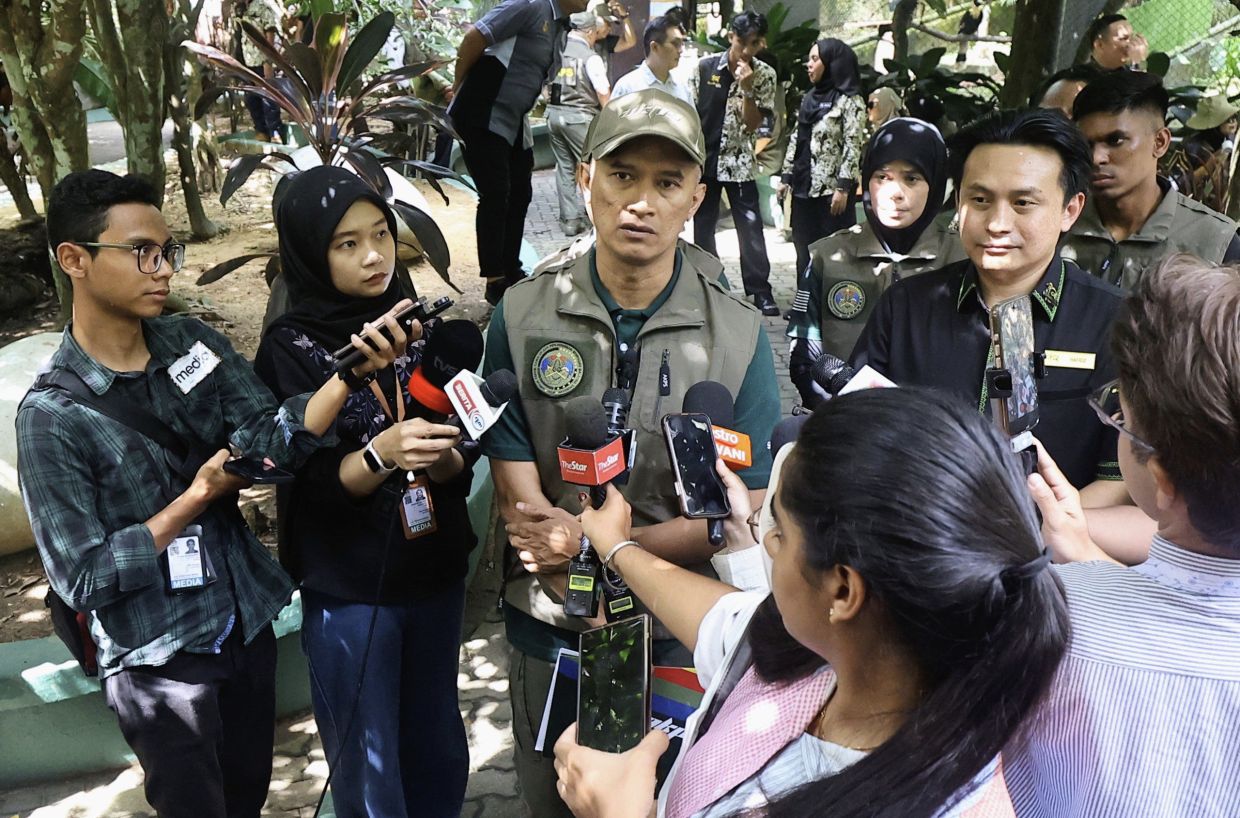
AKPS director-general Comm Datuk Seri Mohd Shuhaily Mohd Zain said the sponsorship under the Sang Perkasa Initiative covers their food, daily care and regular veterinary treatment.
He said the selection of the red-backed sea eagles was closely linked to the agency's identity and new logo.
“Bayu means wind, symbolising freedom, agility, swiftness and the ability to move quickly across spaces.
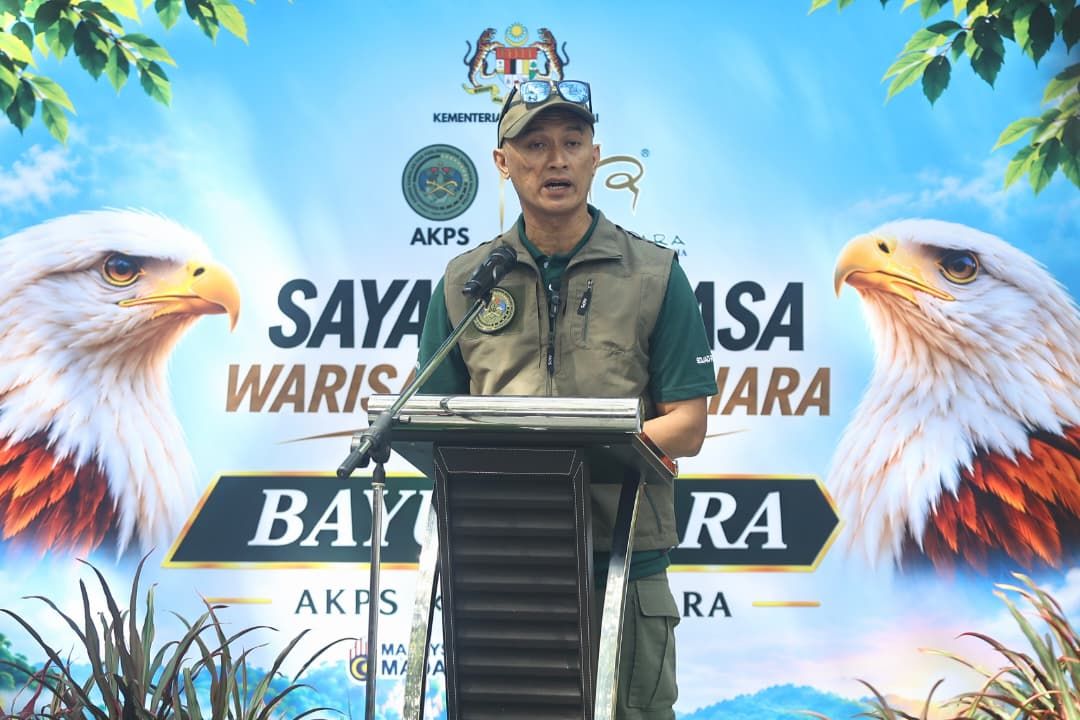
“Bara represents glowing embers, symbolising fighting spirit, courage, firmness and strength that does not fade easily,” he said at the sponsorship ceremony at Zoo Negara here on Monday (Nov 23).
He said the symbolism reflected the integrity and determination of AKPS personnel in protecting the country's entry points without fear or compromise.
"The initiative was inspired by a working visit by an AKPS delegation to the National Wildlife Rescue Centre (NWRC) in Sungkai, Perak, on July 21.
"The visit provided an opportunity for the agency to learn about the centre's operations and strengthen strategic cooperation with the Wildlife and National Parks Department (Perhilitan)," he said.
Following the visit, AKPS identified Zoo Negara as its partner for its first wildlife adoption and sponsorship programme.
Comm Mohd Shuhaily said the initiative also reflected the agency's commitment to conserving the country's natural heritage.
He urged the public not to buy illegally sourced wildlife or wildlife products and to alert the authorities to suspected smuggling activities.
Separately, he said AKPS recorded RM89.7mil in biosecurity seizures involving 9,263 cases from January to October this year.
The value was the highest among the agency's enforcement categories, which recorded total seizures worth RM322.74mil during the same period.
Comm Mohd Shuhaily said effective border control was crucial not only to protecting the country's physical and economic security but also to curbing wildlife smuggling and tax evasion.
“Wildlife is a trust that we must preserve and pass on to future generations,” he said.