ECRL expected to boost tourism, improve accessibility
KUALA LUMPUR: A trip from the Klang Valley to Kota Baru, which normally takes up to eight hours by road but can stretch to nearly 20 during festive-season congestion, could soon be cut to just four.
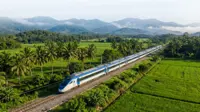
The East Coast Rail Link (ECRL), which is set to begin operations on Dec 12, will offer passengers a faster and more comfortable way to reach Pahang, Terengganu and Kelantan.
On a recent media preview, The Star took the ECRL Express from Gombak in Selangor to Kota Baru in Kelantan.
Along the way, the service made only two stops – at Kota Sultan Ahmad Shah (KotaSAS) in Pahang and Kuala Terengganu.
The journey to KotaSAS, about 10km from Kuantan, took approximately one hour and 30 minutes, while the train reached Kuala Terengganu in about three hours.
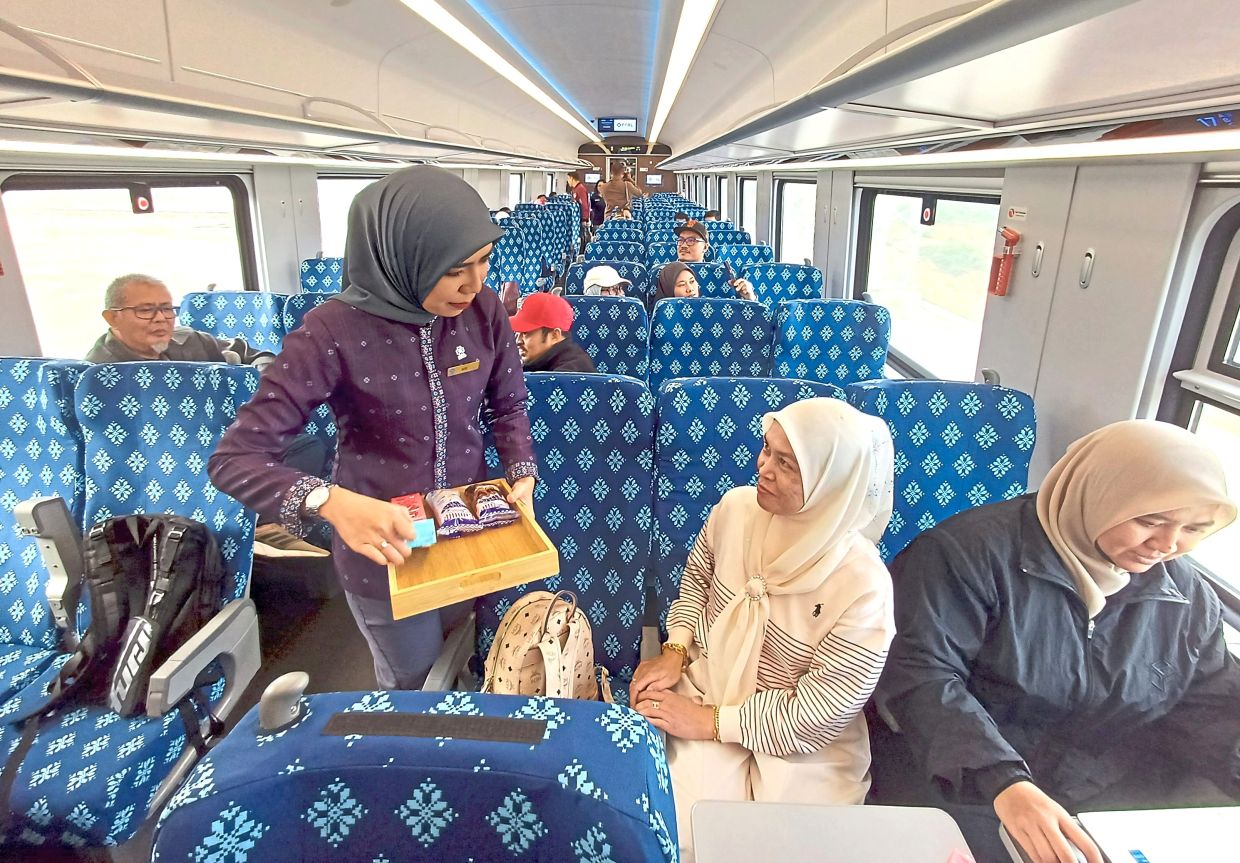
Onboard facilities include a cafe area, surau, toilets and WiFi.
The five-coach express train, including one business-class carriage, can accommodate up to 409 passengers.
One-way express fares start at RM147, with prices subject to increases during peak periods.
Passengers travelling shorter distances can also opt for the transit service, which stops at all 14 stations between Gombak and Kota Baru.
These are Pasir Puteh in Kelantan; Jerteh, Bandar Permaisuri, Kuala Terengganu, Dungun, Kemasik and Chukai in Terengganu; and Cherating, Kuantan Port City, KotaSAS, Paya Besar, Maran, Temerloh and Bentong in Pahang.
The full journey from Gombak to Kota Baru is expected to take about five hours and 30 minutes, assuming each stop takes between three and five minutes.
One-way transit fares start at RM125, with discounts available for eligible passenger groups. The service can accommodate up to 425 passengers.
Construction of the highly anticipated rail network began in 2017.
Following the launch of Phase One next month, Phase Two is expected to be completed by December next year, extending the line further west to Port Klang via Serendah, Puncak Alam and Kapar.
The extension will provide a freight link between the east coast and Port Klang, allowing goods to be transported directly to the major shipping and logistics hub.
Sunway University economics professor Dr Yeah Kim Leng said the project is expected to benefit the logistics, real estate and tourism sectors.
Improved accessibility and cost advantages could also spur growth in manufacturing, mining and agriculture, he added.
He noted that the rail link is also expected to shift about 30% of road freight from trucks to rail.
“The result should be lower transport costs and less highway and road congestion.
“Rail stations will also drive transit-oriented development, particularly at the Serendah rail industrial hub and six Terengganu station sites.
“Notably, small and medium enterprises can join the rail supply chain there,” he said.
Tourism on the east coast is also expected to benefit from faster connections to Kuala Lumpur, with beach destinations likely to attract more weekend visitors, said Yeah.
He said the initial economic benefits could be felt as early as next year through increased commercial activity around stations and early growth in tourism.
“The Serendah hub should also begin boosting the local economy next year,” he added.
Yeah said logistics gains would come first, followed by station-area development and tourism growth.
“The full macroeconomic contribution builds gradually over about 20 years as development opportunities expand with higher connectivity, greater resource availability and the crowding-in effects of industrial development.”