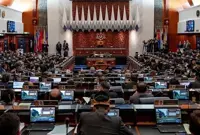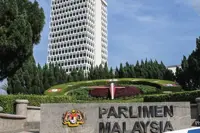
KUALA LUMPUR: Individuals and businesses that manufacture or sell food packaging containing harmful substances could face fines of up to RM500,000, 10 years in prison, or both, under sweeping amendments to the Food Act 1983 tabled in the Dewan Rakyat.
The Food (Amendment) Bill 2026 passed its first reading on Monday (Oct 5). Deputy Health Minister Datuk Hanifah Hajar Taib said its second and third readings will take place during the current parliamentary sitting.
The proposed law expands the scope of the original Act to regulate "food contact materials"—defined as any article or material intended to come into contact with food or likely to transfer chemical components into food during normal use.
Under the bill, importing non-compliant packaging will be strictly prohibited, and businesses that suspect or know their packaging materials are unsafe must initiate immediate product recalls.
The bill significantly stiffens penalties across the board for a wide range of food safety violations. Maximum fines for preparing or selling food containing harmful substances, as well as for failing to execute mandatory product recalls, will jump fivefold from RM100,000 to RM500,000.
Penalties for selling adulterated food or items unfit for human consumption, previously capped at between RM20,000 and RM50,000, will also rise to RM500,000, with maximum jail sentences doubling from five to 10 years. Meanwhile, maximum prison terms for false advertising and deceptive labelling will increase to five years, up from the current range of one to three years.
To bolster enforcement, the Health Director-General will be empowered to order the immediate closure of non-compliant premises for up to 40 days. Premises owners who defy closure orders face fines up to RM500,000, 10 years' imprisonment, or both.
Responding to the rise of e-commerce, the bill grants enforcement officers full authority to inspect digital and computer records related to the manufacture, import, sale, or advertising of food, including demanding access passwords and decryption codes. Refusing to cooperate carries a fine of up to RM100,000 or five years in prison.
Additionally, the Health Ministry will be allowed to conduct on-site inspections of foreign food manufacturing facilities after consulting destination governments. Food imported beyond designated personal-use limits will automatically be presumed intended for commercial sale unless proven otherwise.
To ensure swift judicial enforcement, First Class Magistrates' Courts will be authorised to pass the full statutory penalties under the Act, bypassing standard jurisdictional limits that typically cap fines at RM10,000 and imprisonment at five years. Court convictions may also be published across digital and electronic media rather than restricted to print newspapers.
The amendments will take effect on a date to be gazetted by the Health Minister upon parliamentary approval.