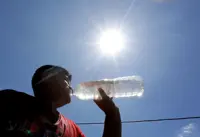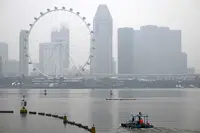
PETALING JAYA: Malaysia is set for a hive of activity this weekend, but amid the excitement, those heading outdoors have been reminded to take precautions against the possible combination of haze, rain and heat.
Dr Mohd Azman Abas, Senior Medical Officer and Occupational Health Doctor from UKM University Health Centre, said the haze can be a risk particularly for those with asthma, chronic respiratory disease or cardiovascular disease.
“Prolonged outdoor exposure when air quality is poor may cause coughing, throat irritation, breathing difficulties and existing respiratory symptoms may worsen. People with underlying conditions should consider reducing strenuous outdoor activities when air quality deteriorates,” he said.
Heat cramps, heat stroke and heat exhaustion could stem from hot and humid conditions.
The risk is higher among people who exercise for long periods, older adults, young children, individuals with chronic medical conditions, and those who are not adequately hydrated.
Dr Azman advised those attending or participating in outdoor events to stay hydrated, limit alcohol and caffeinated drinks, take regular breaks in shaded or cool areas, wear light, loose-fitting clothing, a hat and sunscreen, and avoid strenuous activity during the hottest part of the day.
He also said the condition could lead to symptoms such as headache, dizziness, weakness, nausea, excessive sweating or muscle cramps, confusion, high body temperature or a lack of sweating despite feeling very hot; or worse, collapsing, which may indicate heat stroke and require urgent medical attention.
Retired Health Ministry director Datuk Dr Zainal Ariffin Omar said people should not take the combination of haze, heat and rain lightly as they pose real risks.
“Before heading outdoors, check the Air Pollution Index (API) and take appropriate precautions. Outdoor activity is generally acceptable when the API is below 100, but strenuous activity should be reduced when it reaches 101 to 200, while outdoor exertion should be avoided if it exceeds 200, particularly among high-risk groups,” he said.
Dr Zainal also advised the public to stay hydrated and take regular breaks in shaded areas when it is too hot.
“During hazy conditions, wearing a properly fitted N95 mask outdoors can help reduce exposure, while high-intensity activities such as marathons and cycling should be avoided when air quality is unhealthy.
“Those with asthma or heart disease should carry their medication and consult their doctor before taking part in strenuous outdoor activities,” he said.
“People should also seek shelter immediately if they hear thunder, as lightning can strike even when rain is not falling at their location. They should shelter in a building or car rather than tents or pavilions, and wait at least 30 minutes after the last thunder before returning outdoors.”