KOTA KINABALU: The Kadazandusun identity is meant to unite, not replace, the many ethnic and sub-ethnic communities in Sabah, says the community’s paramount leader.
Huguan Siou Tan Sri Joseph Pairin Kitingan (pic) said every community should continue preserving its own language, culture, customs and heritage while moving forward together under a shared identity,” he said at the closing of the Kadazandusun Dialogue 2026 here yesterday.
Pairin said embracing the Kadazandusun collective identity did not come at the expense of individual ethnic identities, but instead provides a stronger platform for Sabah’s indigenous communities to move forward together.
He said every ethnic and sub-ethnic community remains free to preserve its own name, language, customs and cultural heritage handed down through generations.
“Kadazandusun is the umbrella of our shared identity. When we have a collective identity, we also have the foundation to build one collective voice,” said Pairin, who is also Kadazandusun Cultural Association (KDCA) president.
Pairin said the KDCA umbrella was never intended to erase diversity, but was to unite and strengthen native communities while allowing each to maintain its unique history, language and traditions.
Under the KDCA’s definition, “Kadazandusun” was a generic and overall ethnic label to encompass and cover 43 dialectical and tribal groups.
KDCA deputy president Datuk Seri Dr Jeffrey Kitingan called for continued cooperation among Kadazandusun and Murut communities in safeguarding their identity, culture and rights amid changing times.
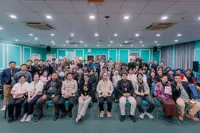
The event ended with leaders and representatives from 40 ethnic and sub-ethnic communities signing a Unity Charter, to symbolise their commitment to mutual respect, cooperation and a shared future under the Kadazandusun umbrella.
Describing the signing as more than a ceremonial gesture, Pairin said it reflected a collective pledge to remain united, continue dialogue and deepen collaboration between communities.
Pairin hoped the charter would lead to stronger inter-community partnerships, more cultural and educational exchanges, and greater opportunities for younger generations to carry forward their ancestors’ legacy.