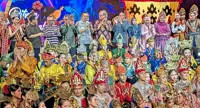
Orang Asal communities find common ground while celebrating traditions and protecting their heritage.
THEY came from communities scattered across Malaysia, some boarding a plane for the first time, and found that while their customs may differ, many of their struggles are shared.
More than 100 Orang Asal participants from Sabah, Sarawak and Peninsular Malaysia gathered in Kampung Rantai, Sabah, for several days, exchanging experiences and discussing the challenges confronting their communities.
Some spoke about customary land. Others discussed electricity, women’s health, conservation and how villages can have a greater say in decisions affecting them.
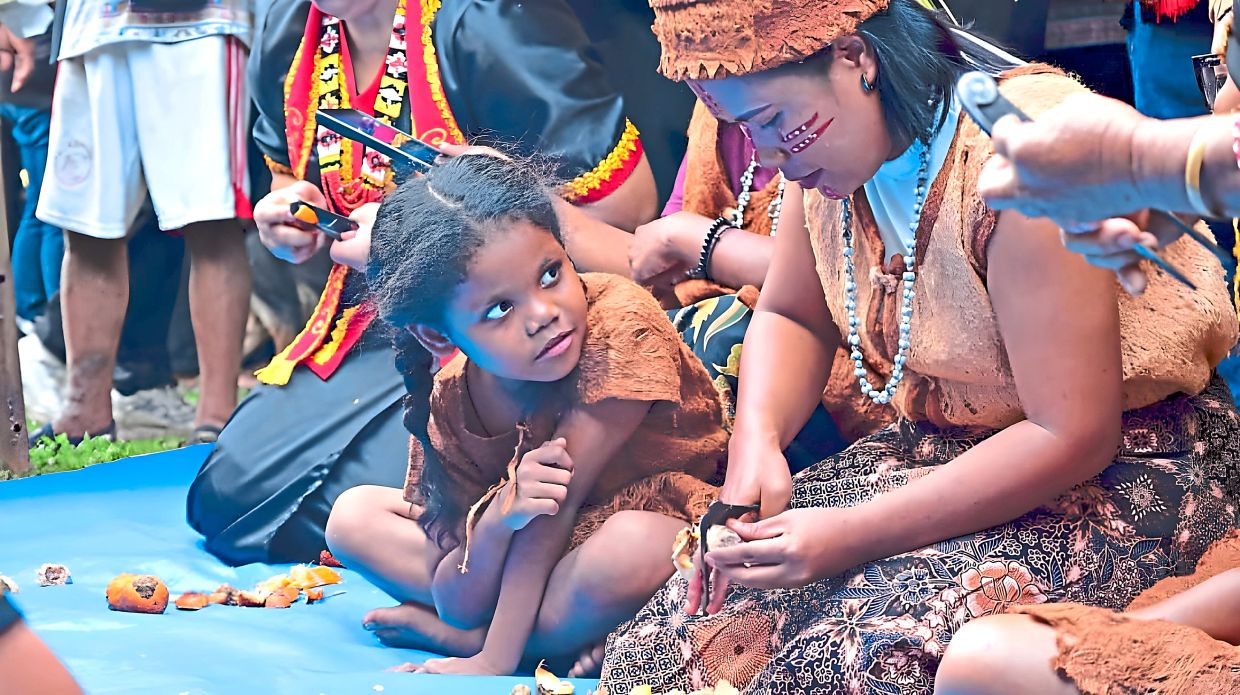
There were also conversations about something more intimate – knowledge surrounding birth, death and rituals guarded and passed down for generations.
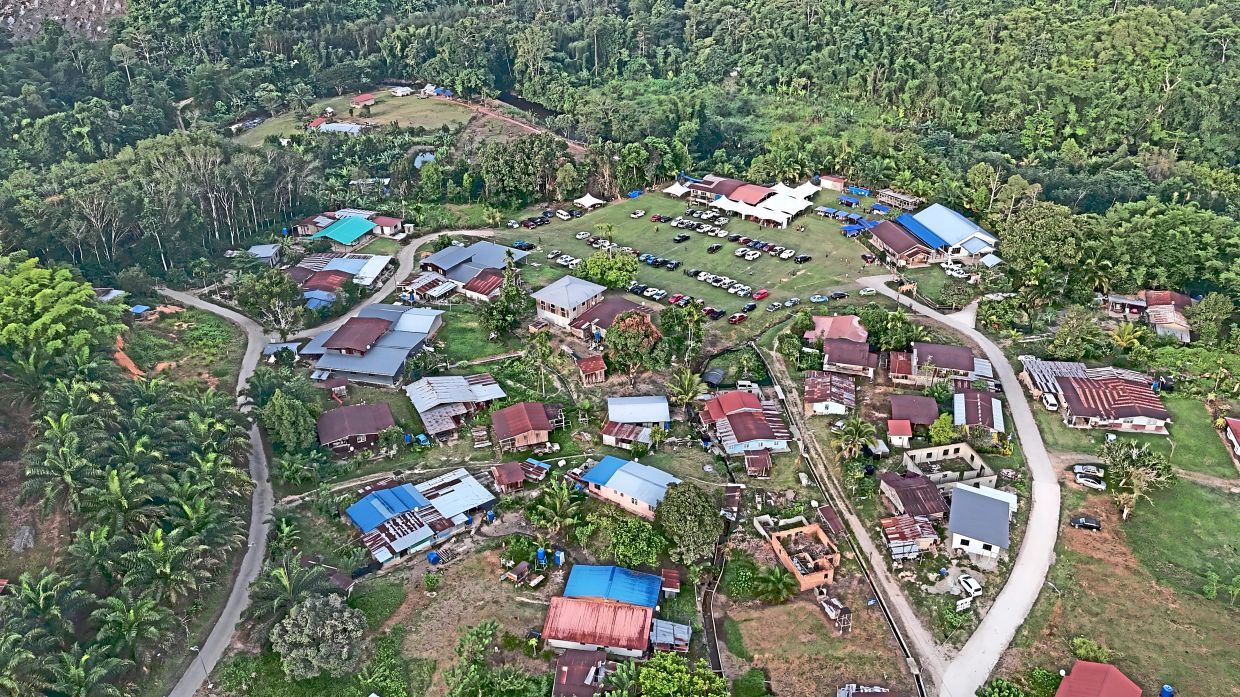
These conversations formed part of the Perayaan Hari Orang Asal Sedunia (PHOAS) 2026 at Kampung Rantai in Apin-Apin, Tambunan, held in conjunction with the International Day of the World’s Indigenous Peoples on Aug 9.
Beyond celebrating culture, the gathering allowed communities to better understand their rights and realise that struggles faced in one village are often shared by others hundreds of kilometres away.
The term Orang Asal is broadly used for Malaysia’s Indigenous peoples, although their identities and experiences differ considerably across Peninsular Malaysia, Sabah and Sarawak.
Among those who travelled to Keningau were Orang Asli from Pahang, Kelantan, Perak and Selangor.
For some, it was the first time they had boarded an aircraft.
They came carrying not only luggage but songs, food, rituals and stories from home.
What is shared, what stays sacred
Some were noticeably cautious when speaking to the media, particularly when conversations touched on customary land and sacred practices.
For many Indigenous communities, land is more than an economic asset. It is where generations have lived, where ancestors are remembered and where cultural and spiritual practices continue.
A conversation with Orang Asli participants from Kelantan offered a glimpse into how closely some customs are guarded.
They described how, in their community, the dead are buried without a coffin or burial shroud.
A layer of bamboo is placed in the grave so the body does not touch the soil. The body is laid on it, covered with another layer of bamboo and then buried.
Asked why they had no photographs of their burial grounds, they explained that outsiders are not allowed to enter because the area is sacred.
Similar boundaries apply to certain rituals.
They said ceremonies performed before outsiders at public events or seen on television are only symbolic versions.
The actual rituals remain closed to outsiders to preserve their sanctity and, according to their beliefs, prevent misfortune.
The exchange carried an important lesson: preserving culture does not always mean putting everything on display. Sometimes, it means respecting what a community chooses to keep to itself.
PHOAS also offered opportunities to share traditions more openly.
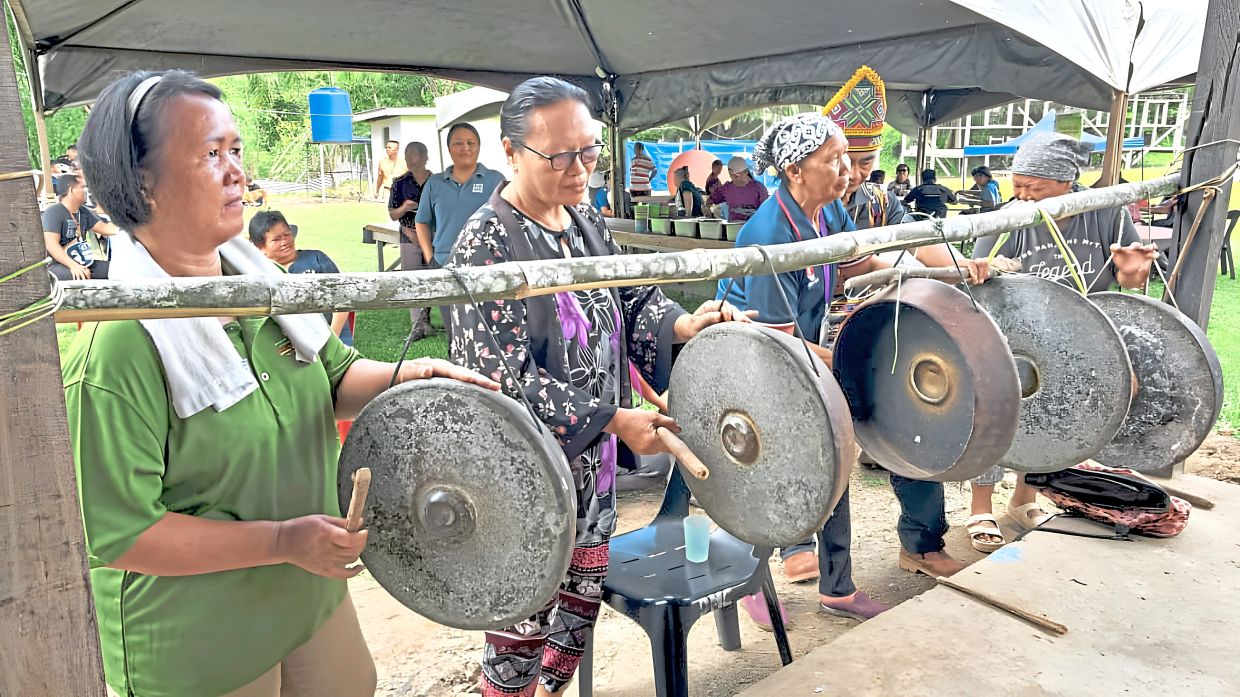
Participants from Peninsular Malaysia performed cultural presentations symbolising some of their ritual practices, giving those from Sabah and Sarawak a glimpse into traditions unfamiliar to them.
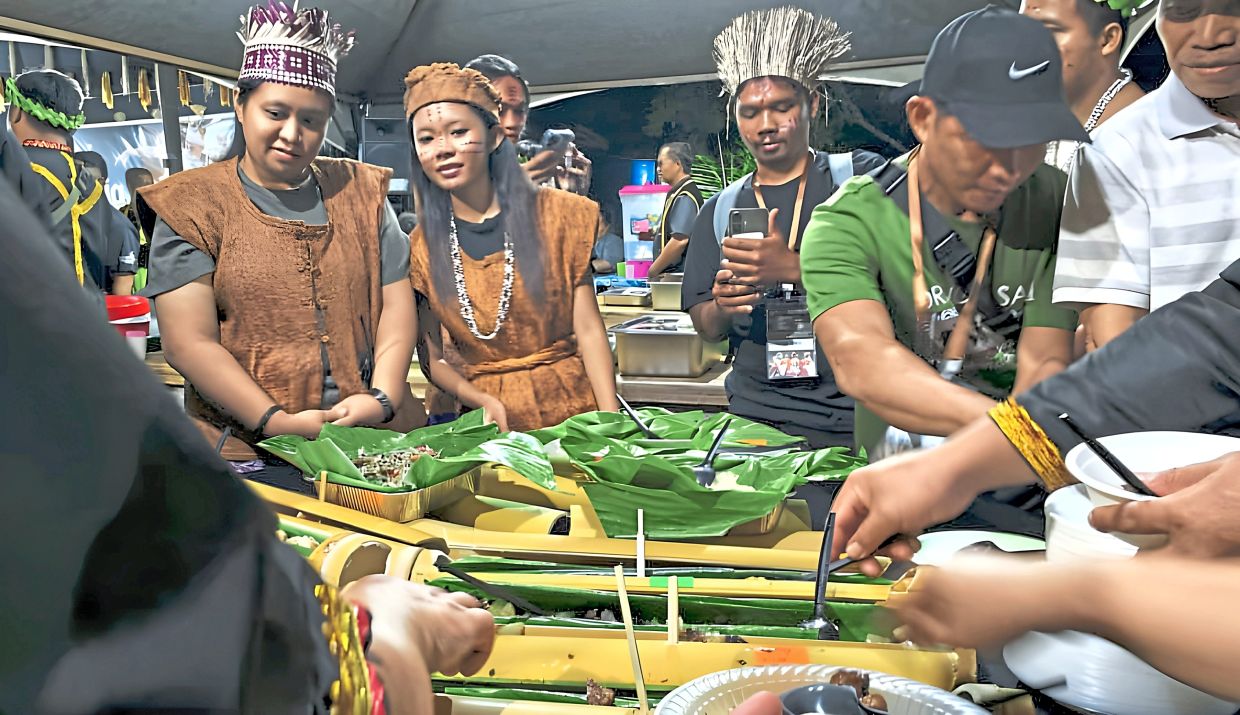
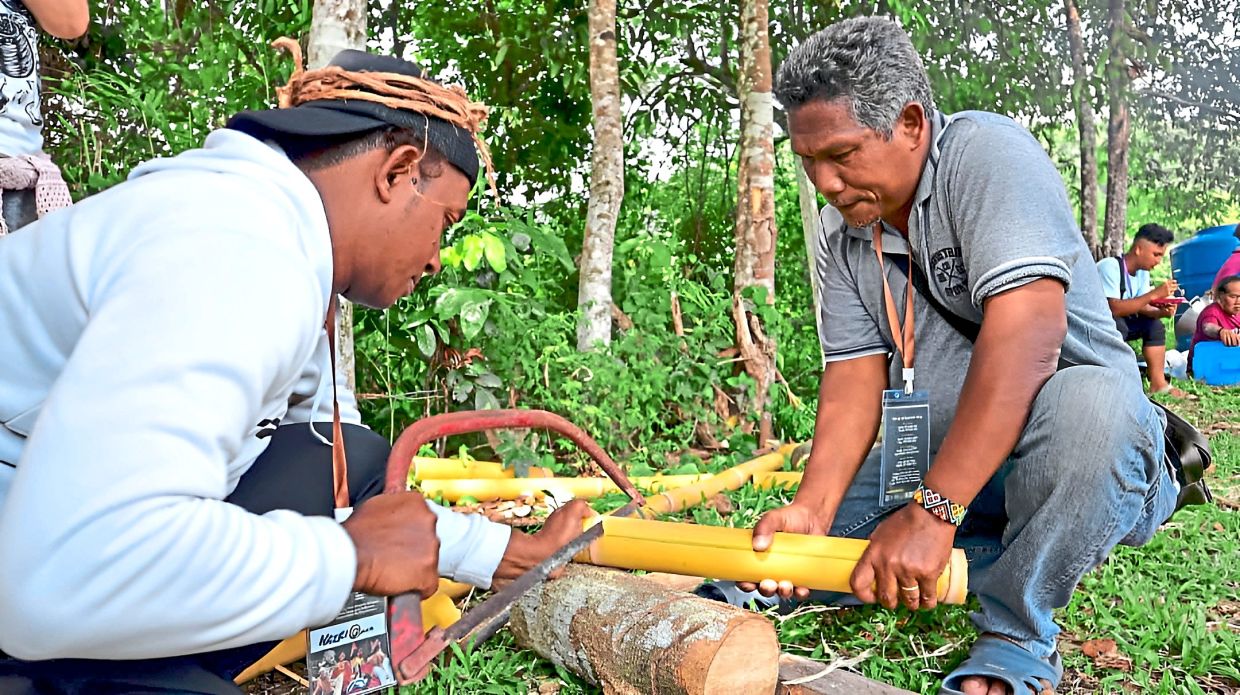
During another activity, groups prepared traditional dishes using customary methods before opening their spread for everyone to taste.
Participants moved from one dish to another, asking about ingredients and preparation methods.
For a few hours, communities separated by geography and language connected simply through cooking and eating together.
Jaringan Orang Asal SeMalaysia (JOAS) secretary-general Hilda Pius Modilo said such exchanges were part of the importance of PHOAS.
“My hope is that platforms such as this can bring together Orang Asal from across Malaysia to share the issues and challenges they face in their communities, particularly those involving land rights, education and the economy,” she said.
Hilda is also concerned that modernisation is putting some Indigenous customs and languages at risk.
She hopes younger Orang Asal will see what earlier generations have done and continue the heritage passed down by their parents and grandparents.
From one generation to another
That connection between generations was particularly significant this year.
PHOAS 2026 carried the theme “Honouring Indigenous Midwives: Safeguarding Life and Well-being”, highlighting women who served their communities long before hospitals and modern healthcare became readily accessible.
“Many Orang Asal communities lived deep in the interior, where access to healthcare was difficult.
“It was Indigenous midwives who sacrificed their time and energy to help women give birth to new generations,” Hilda said.
PACOS Trust programme coordinator Gordon John Thomas said traditional knowledge surrounding pregnancy and childbirth is increasingly at risk of disappearing amid modernisation.
But the midwives’ role has not necessarily ended with hospital births.
“Even though mothers now go to hospitals to deliver their babies, midwives still have an important role in the community, particularly when it comes to traditional medicine, herbs, taboos and customs.
“All these are related to ensuring that mothers and babies remain healthy and well,” he said.
At PHOAS, traditional practitioners were also brought together with medical experts to discuss their practices alongside modern scientific perspectives.
For Gordon, PHOAS should not be reduced to a celebration of Indigenous dances or food.
It is also about strengthening solidarity among communities in Sabah, Sarawak and Peninsular Malaysia.
A stronger voice together
The wider programme reflected that purpose.
Five communities shared their experiences in Indigenous self-governance, while participants discussed ways to strengthen village-level governance.
Tonibung, a Sabah-based organisation working with rural and Indigenous communities on community-based renewable energy, shared how villages had changed after gaining access to electricity.
The Pertubuhan Wanita Orang Asal Malaysia (PWOAM) led discussions on women’s rights and sexual and reproductive health.
Participants also explored Indigenous and community conserved areas, including places protected and managed according to community knowledge and customary practices.
Across the sessions was a common principle: communities wanted a say in decisions affecting their land, wellbeing and future.
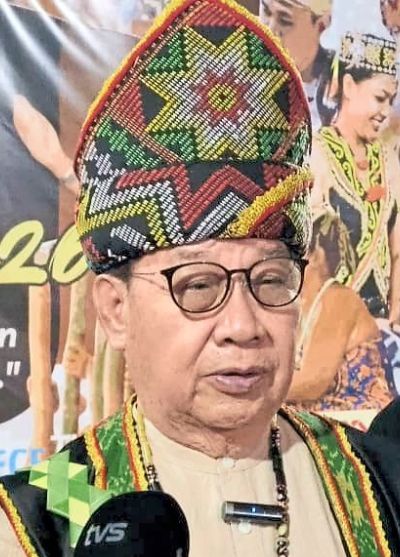
Keningau MP Datuk Seri Dr Jeffrey Kitingan echoed that message when launching the celebration.
“The time has come for Orang Asal, wherever they are, to be recognised and made partners in development, so that they too can enjoy progress on par with other communities,” he said.
He also called for Indigenous rights, including those involving land, water, electricity and infrastructure, to be respected.
Beyond speeches and formal sessions, however, PHOAS was perhaps most meaningful in the encounters it created.
People separated by sea, distance and different traditions could sit together and discover both what they shared and what made them different.
They talked about land and electricity, but also childbirth, death, language, food, forests and customs that may disappear if no one carries them forward.
They also learned that respecting another community sometimes means accepting that not everything is meant to be seen, photographed or shared.
For communities facing the pressures of modernisation, coming together is not only about preserving what was handed down to them. It is also about knowing their rights, learning from one another and building a collective voice strong enough to help shape what comes next.