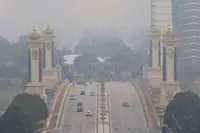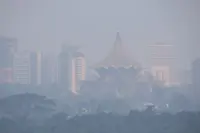
PETALING JAYA: Malaysia is seeing a return of haze as dry weather and an intensifying El Nino combine with fires in Indonesia, with experts warning that air quality could worsen in the coming weeks.
Nine areas in Sarawak and one in Selangor recorded unhealthy Air Pollutant Index (API) readings as of 6pm yesterday, according to the API Management System.
In Sarawak, Serian recorded the highest reading at 185, followed by Kuching (165) and Samarahan (168).
ALSO READ : Moderate haze still a health risk, say experts
Other areas with unhealthy readings were Sri Aman (136), Sarikei (153), Samalaju (153), Bintulu (154), Sibu (156) and Mukah (157).
In the peninsula, Johan Setia in Selangor recorded an API reading of 153.
Four places recorded good API readings. They were Jerantut in Pahang (37), Langkawi in Kedah (41), Kangar in Perlis (45) and Tanah Merah in Kelantan (50).
The rest recorded moderate readings, ranging from 51 to 100.
Universiti Kebangsaan Malaysia climatologist Prof Dr Fredolin Tangang said the situation was consistent with the effects of a strong El Nino, which is expected to intensify towards the end of the year.
“Drier conditions in southern Sumatra and Kalimantan in Indonesia have increased the risk of forest fires, while prevailing south-westerly winds during the Southwest Monsoon are helping carry smoke towards Sarawak.”
ALSO READ : Sarawak: Stay alert and be prepared
He said the current El Nino was forecast to become very strong, potentially making its impacts more pronounced than those experienced during the 1997-98 and 2015-16 episodes.
However, he stressed that the effects would vary across Malaysia.
“Southern Sarawak could continue to be affected by transboundary haze from Kalimantan, while northern Sarawak and Sabah could face drier conditions that raise the risk of local fires.”
For the peninsula, he said northern states could experience hotter and drier conditions early next year.
Emeritus Prof Datuk Dr Azizan Abu Samah, a meteorologist at Universiti Malaya, said July to September is typically the open-burning season in Sumatra and Kalimantan.
He said the current situation was comparable to conditions seen during the 2019 haze episode, with hotspots and smoke plumes in Kalimantan already affecting Sarawak.
“Since the haze is mainly transboundary, rainfall in Kuala Lumpur can wash out and clean the air, but this is only temporary because prevailing south-westerly winds can bring the smoke back.
“The situation could persist until September, particularly if dry conditions continue in Sumatra and Kalimantan.”
Azizan said recent rain could provide temporary relief by removing particulate matter from the air, but it would not eliminate the source of the pollution.
“More sustained rainfall over fire-affected areas in Indonesia would be more important in reducing the haze.”