SHAH ALAM: Malaysia is awaiting a response from Washington regarding industrial excess capacity, having already resolved the forced-labour component of US tariff concerns, says Investment, Trade and Industry Minister Datuk Seri Johari Abdul Ghani.
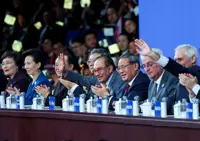
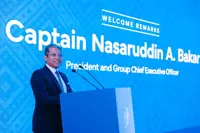
Speaking at the Associated Chinese Chambers of Commerce and Industry of Malaysia’s (ACCCIM) 80th annual general meeting on Sunday (Aug 9), Johari assured that Putrajaya will maintain active engagement with the United States while safeguarding local business interests.
"We have finalised the forced-labour component. The issue of excess capacity has not been concluded yet," Johari said in his opening address. "We are waiting for a response and will provide an update once received."
The United States imposed an additional 10% tariff on nearly all Malaysian exports on July 24 following a Section 301 investigation into forced-labour allegations. However, duty rates stemming from a separate US probe into manufacturing excess capacity remain undetermined.
The two nations previously reached an Agreement on Reciprocal Trade, which outlines commitments to labour protections and measures to curb excess capacity in the steel sector.
Despite trade friction, Johari noted that Malaysian exports to the US continue to grow. However, he cautioned that Malaysia must ensure import growth does not outpace exports and erode the national trade surplus. Malaysia recorded a trade surplus of RM147.15bil in the first six months of this year, approaching the RM151.80bil achieved across the entirety of last year.
To sustain this momentum, Johari urged local industries to be selective and strategic about where they compete globally, given the massive scale, capital, and state support enjoyed by foreign rivals.
"We cannot aspire to become a global leader in every industry," he said. "If we produce 300,000 units and they produce three million, how do we compete?"
Instead of competing head-to-head on scale, Johari urged Malaysia to anchor itself in key sectors where capabilities already exist and develop robust industrial ecosystems around them.
"If we cannot be the champion, we build an ecosystem around them," he explained, adding that this strategy allows domestic firms to capture value from global powerhouses via supply chains, tech transfer, and support services.