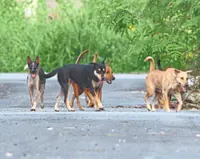
PETALING JAYA: Sustainable stray management policy cannot depend on one-off allocations or short-term campaigns, say animal activists.
While expressing appreciation to the government’s recognition of animal welfare, they want to see more concrete action on implementation.
“There have been many promises and good intentions in the past that did not translate into long-term action.
“For example, Negri Sembilan introduced a ‘No Kill Policy’ for stray dogs and initiated a Trap-Neuter-Return (TNR) programme with an initial allocation of RM100,000 channelled to non-governmental organisations (NGO) involved in the effort.
“However, within a year, the funding was stopped and there were concerns that the approach could return to conventional catching and culling methods,” said Liza Shariff.
She claimed some NGOs found their access and involvement in assisting stray animals restricted.
“NGOs need assurance that funding will be continuous, better collaboration with local authorities and humane approaches such as TNR as part of a national policy,” she added.
MDDB Canine Welfare Society president Wani Muthiah hoped the government will look seriously into the proposal of granting tax exemption and financial relief to rescuers and private shelter operators.
“We have been operating a shelter and a care and palliative unit for old, terminal as well as disabled dogs for the last 18 years.
“Raising funds to meet our expenses is a recurring nightmare every month,” she said, adding that any support from the government would be greatly appreciated.
Recently, political secretary at the Prime Minister’s Office Datuk Azman Abidin said the government is ready to consider a proposal to provide special funds in the federal budget and grant tax exemption incentives to empower management of stray animal welfare and lighten the burden on pet owners.
Mutts and Mittens president Chong Choon Kit said funds specifically for animal welfare would greatly help many NGOs that constantly struggle to cover their expenses.
“There are not many special plans by the government for animal welfare.
“This would be good start to help with our operating cost,” he said, adding that the average monthly expenses for its rescue centre is between RM20,000 and RM30,000, which included costs for operations, medicines or treatment, neutering and animal rescue.
Chong said apart from funding, the government needs to have a more long term plan to address pet abandonment, which compound to the stray animal population.
“We believe the government needs to implement microchipping for pets. Many countries like Singapore, Germany and Japan are already implementing this to deter pet dumping,” he said.
Ipoh Society for the Prevention of Cruelty to Animals president Ricky Soong said while government funds would be helpful, there should be transparency regarding how much each NGO would receive.
He also said the government should also consider setting aside more allocations for stray animal management.