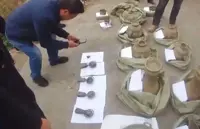
KUALA LUMPUR: Some 215 tonnes of drugs were seized following the dismantling of 270 drug syndicates so far this year, says Comm Datuk Hussein Omar Khan.
The Bukit Aman Narcotics Crime Investigation Department (NCID) director said the successes came from 609 operations conducted between Jan 1 and Dec 18, in which 737 were nabbed.
"The drugs seized are worth RM3.1bil.
"Intelligence-led operations also resulted in the raid of 19 illegal drug laboratories, with 52 people arrested, including four chemists.
"A total of 234,567 investigation papers were opened during the same period, with 157,648 cases, or 67%, charged in court," he told a press conference at the KL police headquarters on Saturday (Dec 20).
He said the NCID also seized RM141mil worth of assets and forfeited RM29mil.
"The move ensured (the syndicates’) illicit profits were not recycled to strengthen criminal networks.
“Additionally, 808 individuals were detained under the Dangerous Drugs (Special Preventive Measures) Act 1985 to sever syndicate links and prevent repeat involvement in trafficking," he added.
To address repeat drug abuse, Comm Hussein said the department took firm action under Section 39C of the Dangerous Drugs Act 1952 against 9,512 repeat offenders, which carries a jail term of between five and seven years and up to three strokes of the cane.
"These sustained measures have contributed to a reduction in index crimes committed by drug addicts," he said.
Comm Hussein said the police also identified three main modus operandi used by syndicates to smuggle drugs in and out of the country.
"The first involves transit in deep-sea waters, where fishing boats collect drug supplies from ‘mother ships’ before entering Malaysian waters.
"This was uncovered in Ops Gombe on April 23, which led to the arrest of two local men and the seizure of 590kg of methamphetamine and heroin base worth RM24.9mil.
The second method, Comm Hussein said, involves the use of drug mules recruited through social media platforms such as TikTok, Facebook and Instagram, as well as messaging apps including WhatsApp and Telegram.
“Victims are lured with promises of free holidays or lucrative salaries before being used to traffic drugs by body-packing, swallowing drug pellets, concealing drugs in luggage or travelling via third countries," he said.
According to Comm Hussein, the third method was the abuse of containerised cargo services, where syndicates misdeclare legitimate goods while concealing large quantities of drugs in modified containers.
"Successes from these efforts include Ops Borzoi on Jan 25 through intelligence-sharing between NCID and the Australian Federal Police, which led to the seizure of 33.2 tonnes of methamphetamine worth RM1.06bil destined for Sydney.
"Another joint operation, Op Virola on Nov 7, intercepted 45kg of methamphetamine worth RM1.44mil transiting Port Klang from the Middle East," he added.
Regardless of the tactics used, Comm Hussein said the NCID remains steadfast in conducting comprehensive intelligence and enforcement operations.
"The seizure statistics reflect not only the scale of the drug threat, but also the police's firm resolve to thwart all attempts at smuggling, distribution and abuse.
"Sustained intelligence work, tough enforcement and strong public support remain the most effective combination in crippling drug syndicates, both locally and internationally.
"Members of the public can provide information via the NCID hotline at 012-208 7222," he said.