



KUALA LUMPUR: The Armed Forces are looking at tapping into the digital skills of the nation’s youth, including gamers, to strengthen its drone capabilities, says Jeneral Tan Sri Malek Razak Sulaiman.
The Armed Forces chief stressed however that experience in video games alone would not qualify someone to become a military drone operator.
Malek Razak said the military is continuously monitoring developments in defence technology and identifying the expertise required to support the operation of unmanned aerial systems (UAS), particularly for intelligence, surveillance and reconnaissance (ISR) missions in the South China Sea.
“The increasing sophistication of military technology requires specialised knowledge and skills, including technical expertise, operational coordination and the ability to make sound decisions under challenging conditions,” he said in an interview recently.
Malaysia bought three ANKA-S units for RM423.8mil earlier this year and plans to buy three more in a second phase as it expands its intelligence gathering and unmanned surveillance capabilities in the South China Sea and waters off Sabah.
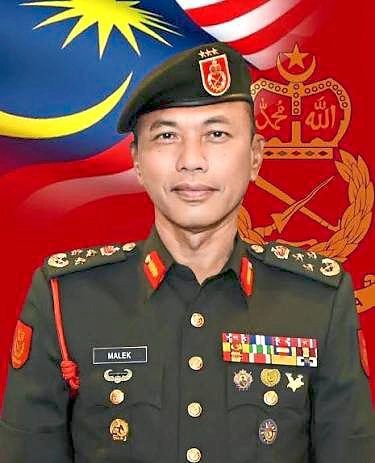
While experience in video games or recreational drone operations could be considered an added advantage, Malek Razak said these did not automatically translate into the competencies required for military operations.
“Operating military drones involves specialised training, technical knowledge, an understanding of operational procedures, discipline and the ability to carry out missions safely.
“An individual must possess comprehensive knowledge of the system, understand flight safety, risk management, operational procedures and responsibilities when carrying out missions,” he said.
Recruitment and selection would continue to be based on established qualifications, aptitude and competency assessments, he added.
“Digital technology and changing interests among the younger generation had created opportunities to identify potential talent for the military,” he said.
Malek Razak said the military is open to exploring creative and innovative approaches to attract young Malaysians, including the use of digital platforms, interactive technology, simulations and activities based on skills.
“These could serve as effective platforms to introduce military capabilities, including unmanned systems, communications, cybersecurity and modern defence technology.
“However, such approaches must not compromise the standards of discipline, professionalism and responsibility expected of military personnel,” he said.
On recruitment, Malek Razak said the military is continuously reviewing its intake policies to ensure that personnel development remains relevant to technological advancements and changing security requirements.
“The expansion of Skim Perkhidmatan Askar Lasykar Angkatan Tetap (Permanent Commissioned Officers Scheme) from Jan 1 this year, had widened academic and career opportunities for eligible personnel.
“The initiative included broader access to Skim Tauliah Pegawai Tetap (Regular Commissioned Officers Scheme) and the Special Service List category,” he said.
The Armed Forces had also opened recruitment opportunities to holders of Vocational Education and Training (TVET) qualifications, including the Malaysian Skills Certificate (SKM) and Malaysian Skills Diploma (DKM) (Level 2 and 3), as well as qualifications from the National Dual Training System (SLDN), he added.
“The move would help broaden the recruitment pool, particularly among young people with relevant technical skills,” he said.

