
WHEN a tiger wandered into Kampung Orang Asli Sungai Tiang, it triggered immediate fear among the village’s 120 households.
For the Jahai people of the Belum-Temenggor Forest Complex in Gerik, Perak, the predator is far more than a physical threat – it is an ancestor, a village guardian and a sacred presence.
Even as villagers collaborate with conservationists on early-warning siren fences and patrol teams, traditional beliefs continue to define how the community views the wildlife surrounding them.
“When a shaman dies, people believe his spirit returns to the forest as a tiger to watch over the community,” said village cooperative deputy chairman Azhar Ruah, who grew up on folklore where the boundary between human and big cat is fluid.
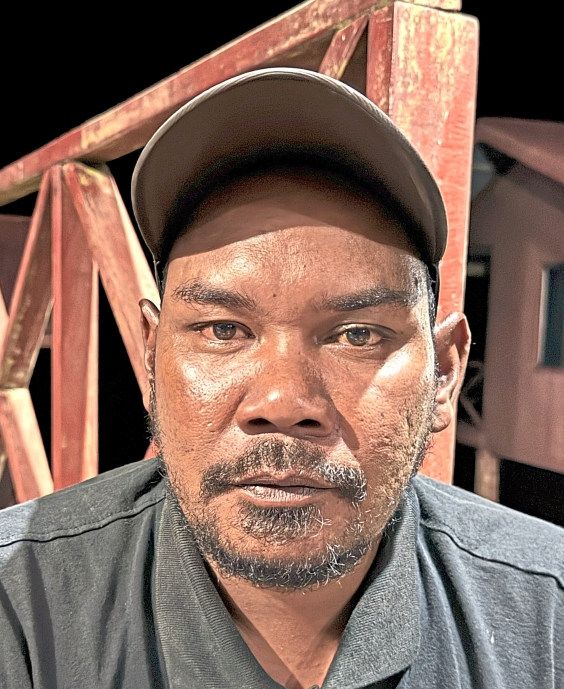
He recalled an old village tale of a local hunter who fell gravely ill before vanishing without a trace.
“The elders believed he had transformed into a weretiger and returned to the deep jungle,” he said.
This deep spiritual reverence translates into daily taboos designed to maintain harmony with the forest – rules that even modern community rangers strictly observe during multi-day patrols.
For ranger Zainudin Sudin, 38, who spends days monitoring trails for poachers and wildlife hotspots, the jungle’s spiritual presence remains palpable.
During one patrol, he spotted what appeared to be an eerie figure standing silently along a riverbank.
“I had heard stories about mysterious figures appearing by the water, but I brushed it off,” Zainudin recounted.

Soon after returning home, he fell ill for weeks.
Modern medicine did not work. A spiritual healer asked if he had encountered anything unusual in the wilderness, following which he finally recovered.
Fellow ranger Hamizi Azman, 38, takes a pragmatic approach to these ancient boundaries.
While he has never encountered the supernatural on patrol, he refuses to test the old ways.
“Whether these tales are literal or not, they are part of our heritage.
“In a forest where humans and dangerous wildlife share the same trails, there is real wisdom in keeping that respect alive,” said Hamizi.