Kelantan man sets up eco park around natural habitat of the prized fish in Kuala Krai
NINE years ago, while tending to his orchard beside Sungai Koh in the remote area of Batu Mengkebang in Kuala Krai, Kelantan, Azman Mustapha noticed a handful of wild mahseer fish (ikan kelah) swimming in the crystal clear river.
He would usually have his lunch by the riverbank and would casually toss some leftover rice into the water for the fish to eat.
Initially, the mahseer – known for being exceptionally shy and highly sensitive to sound, movement and human presence – darted away whenever Azman went near, but gradually became accustomed to him as he was feeding them daily.
Today, not only have the fish become remarkably friendly but their numbers, along with those of other fish species, have swelled to hundreds of thousands, according to Azman’s estimates.
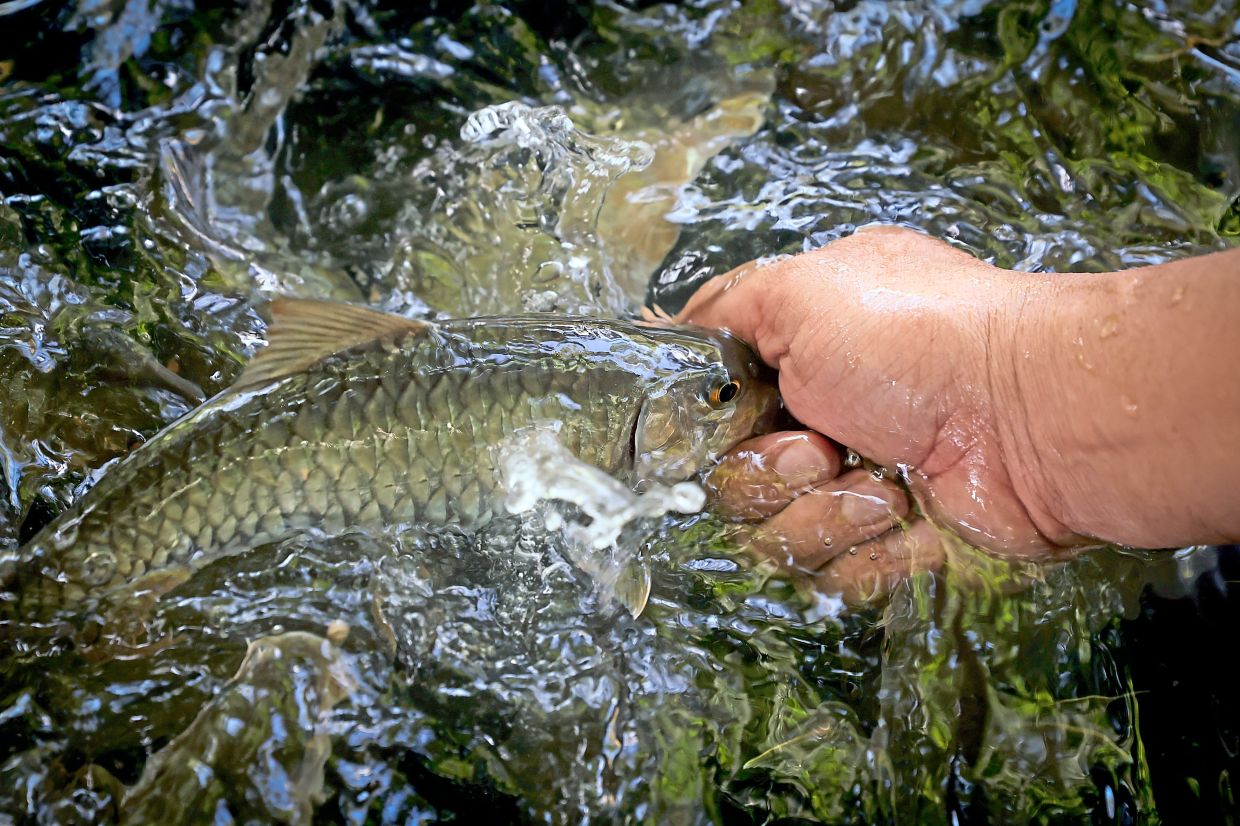
Most of the fish inhabiting this stretch of the river are wild green mahseer (Neolissochilus hexagonolepis), a freshwater species highly prized for its delicate flavour and premium value.
However, these mahseer are not destined for the dinner table.
To ensure the iconic river fish can continue thriving in their natural habitat, Azman, 53, established FMC Kelah Eco Park near the river in 2023, creating a protected sanctuary where they can live undisturbed.
Located about 15km off the Kuala Krai-Kota Baru road in Kelantan, the park has since evolved into a conservation-driven ecotourism destination that promotes environmental awareness while generating income for the local community.
Its star attraction is, of course, the wild green mahseer.
Watching thousands of the normally elusive fish emerge in unison from the clear waters at feeding time is a breathtaking spectacle, one that is drawing visitors from all over the country.
Patience pays off
Recalling how it all began in 2017, Azman said he was drawn to a few young mahseer swimming in Sungai Koh and instinctively threw his leftover rice into the river.
“That spontaneous act gradually became a daily routine.
Day by day, more fish gathered here, he said.
“Now I feed them three to four times a day to encourage them to remain in this stretch of the river,” he told Bernama.
He said earning the trust of the wild mahseer was a long and demanding process.
Azman remained patient and continued feeding them at almost the same time every day until the fish gradually began associating the presence of humans with food.
“The greatest satisfaction is seeing visitors arrive and the fish no longer swim away.
“Getting wild mahseer accustomed to people is not easy because they are extremely sensitive.
“It took me almost nine years to reach this stage,” he said.
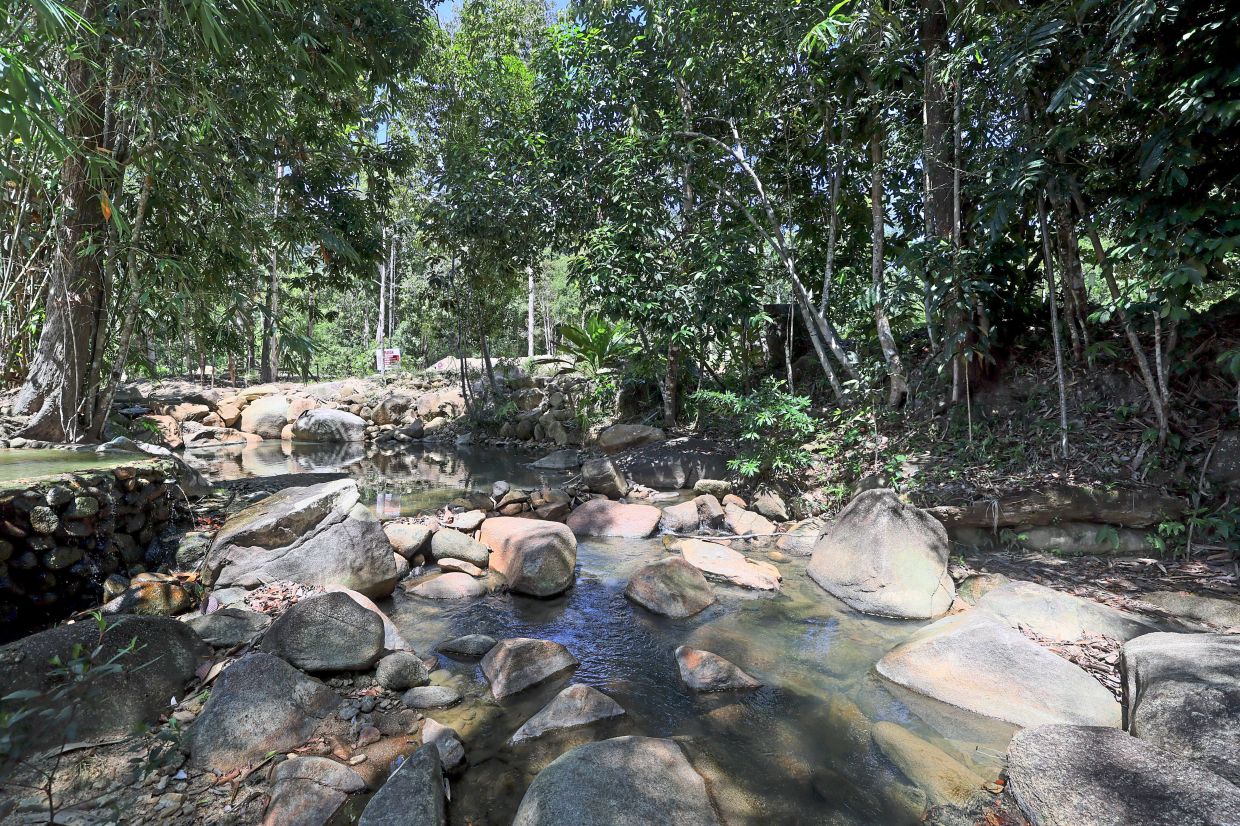
His efforts had transformed nearly three kilometres of Sungai Koh into a thriving sanctuary for green mahseer.
According to Azman, this river is one of the few places where visitors can witness such a dense concentration of wild mahseer in their natural environment.
When feeding begins, the calm river suddenly erupts into a shimmering sea of golden scales as thousands of fish converge at once.
“When I see people’s excitement as the fish appear, I know every bit of effort has been worth it,” said Azman.
Ecotourism in conservation
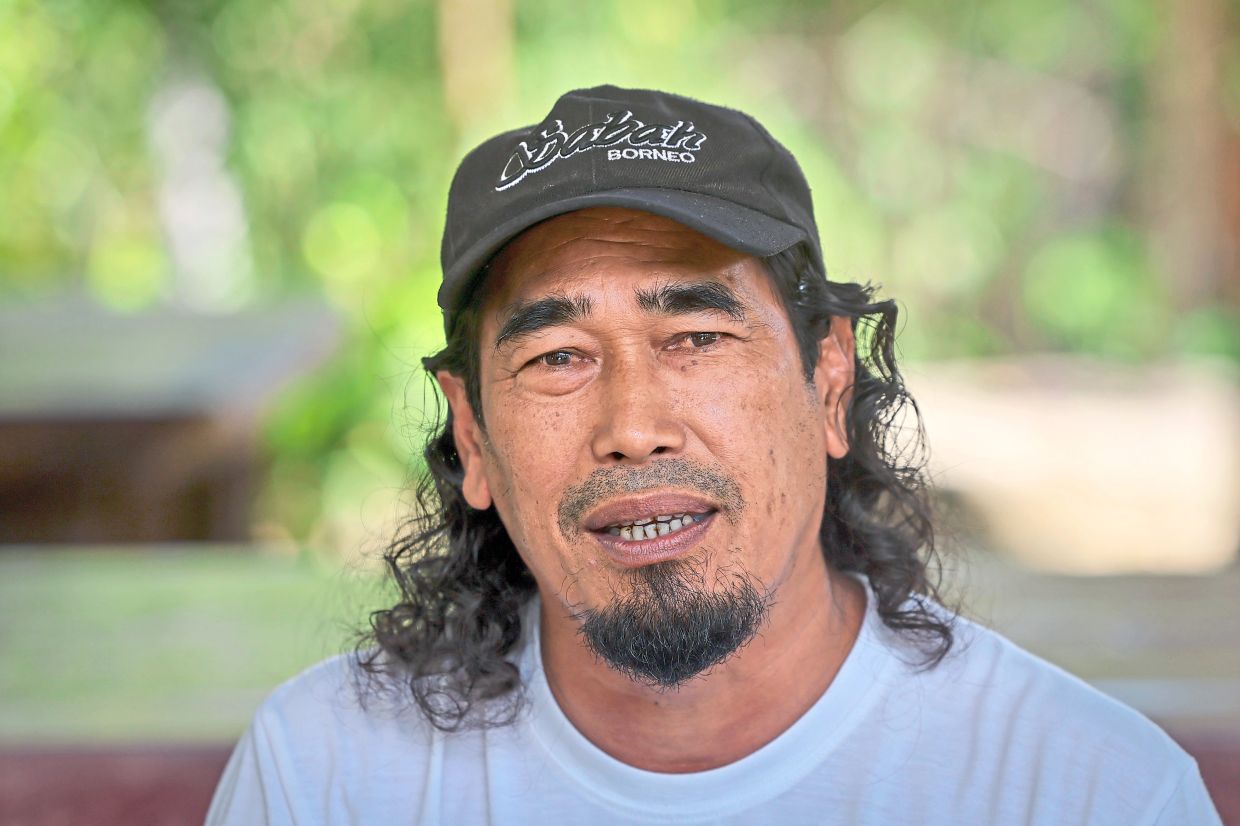
Azman said FMC Kelah Eco Park was developed in stages using his own savings.
“It’s an ecotourism destination built around protecting – rather than exploiting – the river’s natural ecosystem,” he said.
Alongside the sanctuary, he has established mahseer breeding ponds, with the broodstock obtained from external suppliers, to better understand the breed’s growth as well as meet market demand for the fish.
He said only the farmed mahseer fish were sold to customers, while the wild mahseer in the river were left undisturbed to preserve their natural population.
“There is always a good demand for mahseer in the market.
“The fish command premium prices of between RM250 and RM300 per kg with larger specimens fetching up to RM400.”
For Azman, however, the river’s ecological health remained far more valuable.
Mahseer require exceptionally clean, oxygen-rich water to thrive.
They also face constant threats from predators such as otters and birds.
“Protecting the surrounding forest is equally vital as unchecked development can trigger erosion, degrade the water quality and destroy the river ecosystem,” Azman added.
Rural development
FMC Kelah Eco Park has attracted the attention of Universiti Malaysia Kelantan’s Institute for Poverty Research and Management (UMK Inspek), which sees the initiative as a model for linking conservation efforts with rural community development.
UMK Inspek director Dr Ahmad Fahme Mohd Ali said the institute visited the park to identify what form of academic expertise could support the latter’s development and maximise benefits for the local community.
He said ecotourism products should not be measured solely by visitor numbers, but also by their ability to generate income, create jobs and nurture community enterprises.
Pointing to the river where Azman’s eco park is located, Ahmad Fahme said the well-preserved habitat of the mahseer underscored the importance of conserving river ecosystems as the foundation for sustainable development.
“We can clearly see that the mahseer’s natural habitat there remains intact and that its population continues to grow.
“This shows the river ecosystem in that area has been well protected and carefully preserved,” he said.
Ahmad Fahme said the institute aimed to complement the eco park through entrepreneurship training, capacity building, industry networking and assistance in securing funding.
“Azman already possesses the expertise to conserve the mahseer habitat.
“Our role is to help in the aspect of entrepreneurship development and obtaining funding so that the efforts being carried out there can be strengthened,” he said.
Economic boost
UMK Faculty of Hospitality, Tourism and Wellness senior lecturer Dr Nur Ida Fatihah Che Shalifullizam said FMC Kelah Eco Park has demonstrated that environmental conservation could also drive economic development.
She said nature-based tourism has the potential to generate employment in various sectors, such as accommodation, food services, transport, recreation and small-scale enterprises, while creating new markets for locally made products.
“Tourists not only make use of the facilities, but also buy locally made products and engage community-based services.
“This indirectly boosts the income of local residents while preserving the area’s environmental sustainability,” she said.
Despite his park’s growing popularity, Azman believed the journey was far from over.
Basic infrastructure such as electricity, a multi-purpose hall, additional accommodation and improved road access were still needed to support increasing visitor numbers, he noted.
“We’ve relied entirely on our own funds so far.
“Government grants or assistance would allow us to accelerate development,” he said.
Even so, he insisted that expansion must never come at the expense of the river.
For Azman, every visitor, every fish and every opportunity created by the park depended on one simple principle: protecting the ecosystem that made it all possible.
“If this river is damaged, the fish will disappear.
“And when the fish are gone, everything we’ve built over the past nine years will disappear with them.”