



CATS come and go, but when four cats went missing within three months, a cat rescuer feared the worst.
Rosnah, as she is called, said over the last 10 years, she had lost 20 to 30 cats and kittens to snakes, which she claimed lived in the grounds of an abandoned house with overgrown weeds next to her home.
“If the cats had run away and are still alive, it would be okay. But I do not want them to be eaten,” Rosnah told Bernama at her home office-cum-cat shelter in Ampang, Selangor.
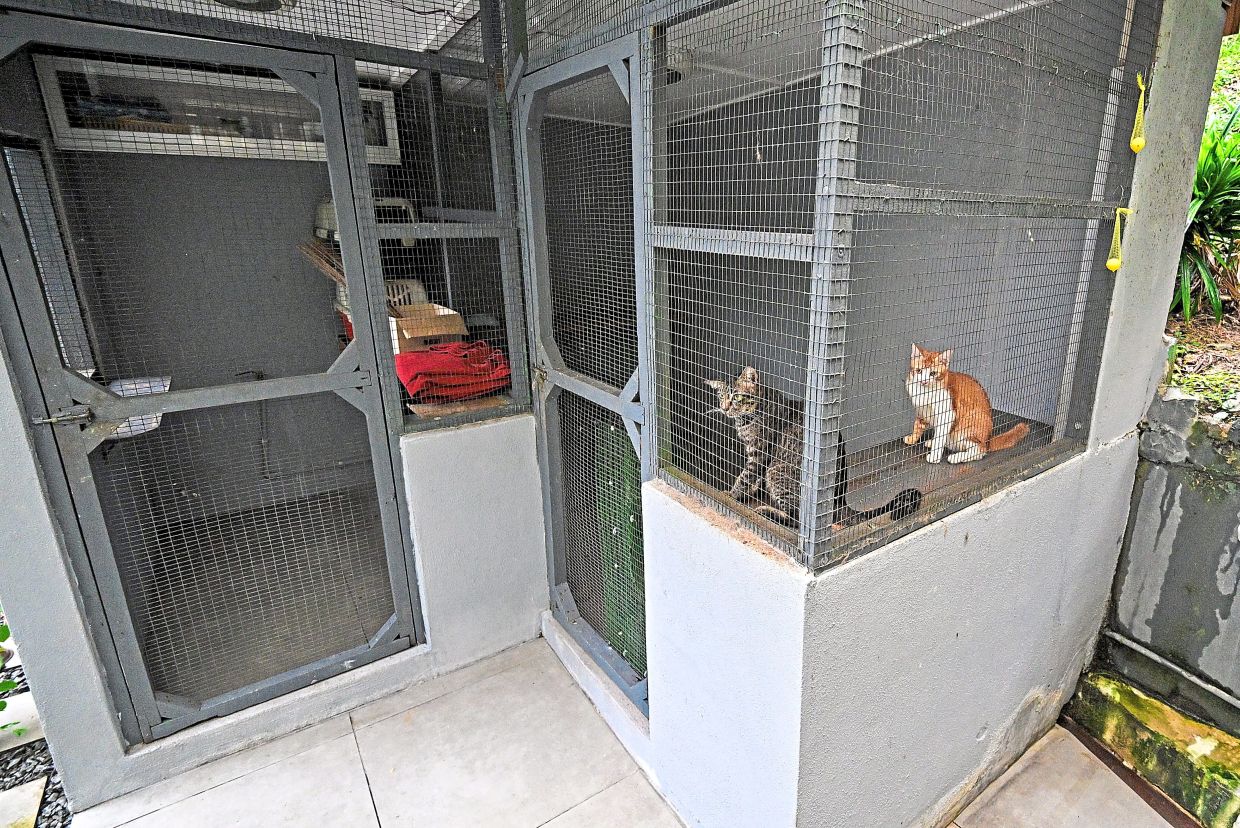
Rosnah, 69, said a few years back, she had called the Fire and Rescue Department after finding a 4.6m-long python sleeping off a meal in the quarantine shed she had built to house sick and recovering rescued cats.
Since then, she has put up screens in her drains and pipes as well as covered the cat enclosure with small metal bars to keep pythons from slithering in.
She also bought sulfur balls in the hopes it would deter snakes.
Rosnah said she was frustrated that while she could keep her house and yard neat, there was no stronger enforcement measures beyond fines to force the owners of the property next door to clear and maintain their premises.
El Nino connection
Experts have warned the public to take precautions as unkempt surroundings combined with extreme weather, such as heatwaves from the intensifying El Nino, and habitat loss could give rise to snake-human conflict.
Malaysian Meteorological Department (MetMalaysia) deputy director-general (Operations) Ambun Dindang said while El Nino conditions were present, the Super El Nino phase was expected to peak between November this year and January 2027, with rainfall expected to decrease across most parts of the country.
Environmental biologist and former Malaysian Nature Society president Prof Ahmad Ismail said snakebite incidents tended to rise sharply during hot weather and El Nino events as extreme temperatures made snakes more active.
This drove them, along with their prey, to seek food and shelter near human settlements.
As snakes are cold-blooded animals, he said, they had problems regulating their temperature and would seek shelter to avoid overheating.
“Shade, water and cool spaces are essential for their survival, and these are often found in gardens, under household appliances or even inside homes and vehicles,” he said via text.
Ahmad added that this resulted in more frequent encounters between humans and snakes, “often with dangerous consequences”.
According to Fire and Rescue Department statistics, between 2023 and June this year, seven states including Sabah, Selangor and Kuala Lumpur reported moderately high to very high rates of snake capture by the department and Civil Defence Force (APM).
Its data shows Selangor recording the highest number of snake-human conflicts in Malaysia in 2026, with 4,599 cases as of June.
Several states also reported a spike in cases this year, with 1,700 reported from January to February in Terengganu; 4,000 cases as of June in Kelantan; and 2,716 cases as of April in Kedah.
The spike was blamed on the heatwave, habitat loss and development.
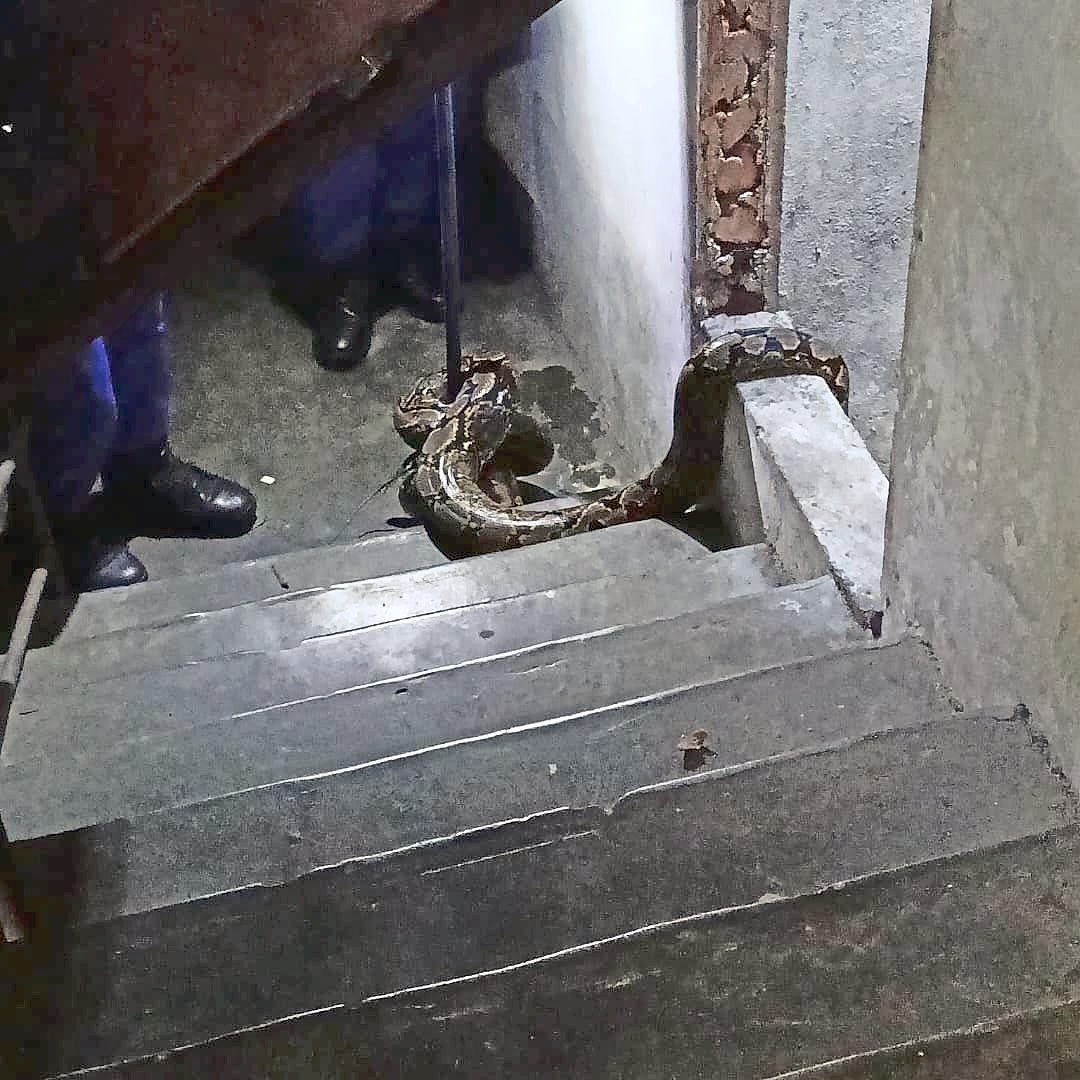
National Fire and Rescue Operations Centre head Zulfahmi Sutaji said snakes would often go where their food sources were, such as chicken coops and pet enclosures.
“For example, when a snake chases a rat and the rat runs into a house, the snake will follow.
“That is why it is important to understand the different types of snakes – those that prey on rats and those that prey on other snakes.
“We need to understand their natural characteristics,” he said, adding that a python would prey on kittens and chickens.
To reduce human-snake encounters, Zulfahmi advised the public to break the snakes’ food chain by covering any hole that a snake could slither into, such as pipes.
“If rats cannot get into your house, snakes will not enter either.
“If there are no openings, musang and bats will stay out too, along with other predators.
“For animal cages or chicken coops, make sure they are properly built.
“Makeshift enclosures can allow snakes to get inside,” he said, advising the public to keep their grass trimmed and yards tidy.
Precautionary measures
Malaysia has an organised system for managing snake bites.
Hospital Kuala Lumpur (HKL) Emergency Department head Dr Alzamani Mohd Idrose said selected hospitals stocked antivenom appropriate for local venomous snake species.
“There is also a 24-hour expert consultation service that assists doctors nationwide in diagnosis and antivenom decisions,” he said in a statement.
Dr Alzamani added that while El Nino could potentially increase human-snake encounters, he could not say if HKL had received increased cases of snake bites associated with the higher temperatures.
“Snakebite incidence can also be influenced by rainfall patterns, agricultural activities and urban development, so it is difficult to attribute increases solely to El Nino,” he said.
Experts have warned people to call the fire department or APM, as well as take photos or videos of the snake they encountered, to aid rescue personnel.
In case of snake bites, Dr Alzamani’s advice is to stay calm, move away from the reptile and keep the affected limb as still as possible.
He also said to remove rings, watches and tight clothing before swelling begins, and seek hospital treatment immediately.
Dr Alzamani warned against cutting the wound, attempting to suck out the venom, applying ice, herbal remedies or chemicals, or using a tourniquet.
“Do not attempt to catch or kill the snake as this increases the risk of further bites,” he added.

