JOHOR is stepping up measures to curb rising human-elephant conflicts as it prepares for a phased opening of the Johor Elephant Sanctuary (JES).
State health and environment committee chairman Ling Tian Soon said the sanctuary formed part of Johor’s long-term strategy to formalise elephant management while minimising risks to wildlife and rural communities.
He said the state viewed forests, wildlife, rivers and marine ecosystems as interconnected in maintaining ecological balance.
“Development must be carried out responsibly for environmental protection while ensuring public well-being in the long-term,” Ling told StarMetro.
Wildlife gained renewed attention last year after the illegal poaching of a tiger in Mersing.
The incident stirred public concern and highlighted pressures involving endangered species in Johor.
In the same period, reports of wildlife including tigers, leopards and tapirs moving into human activity zones saw an increase.
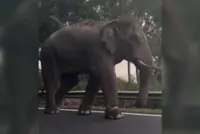
Elephants remain the most common source of conflict, particularly in plantation and fringe rural areas.
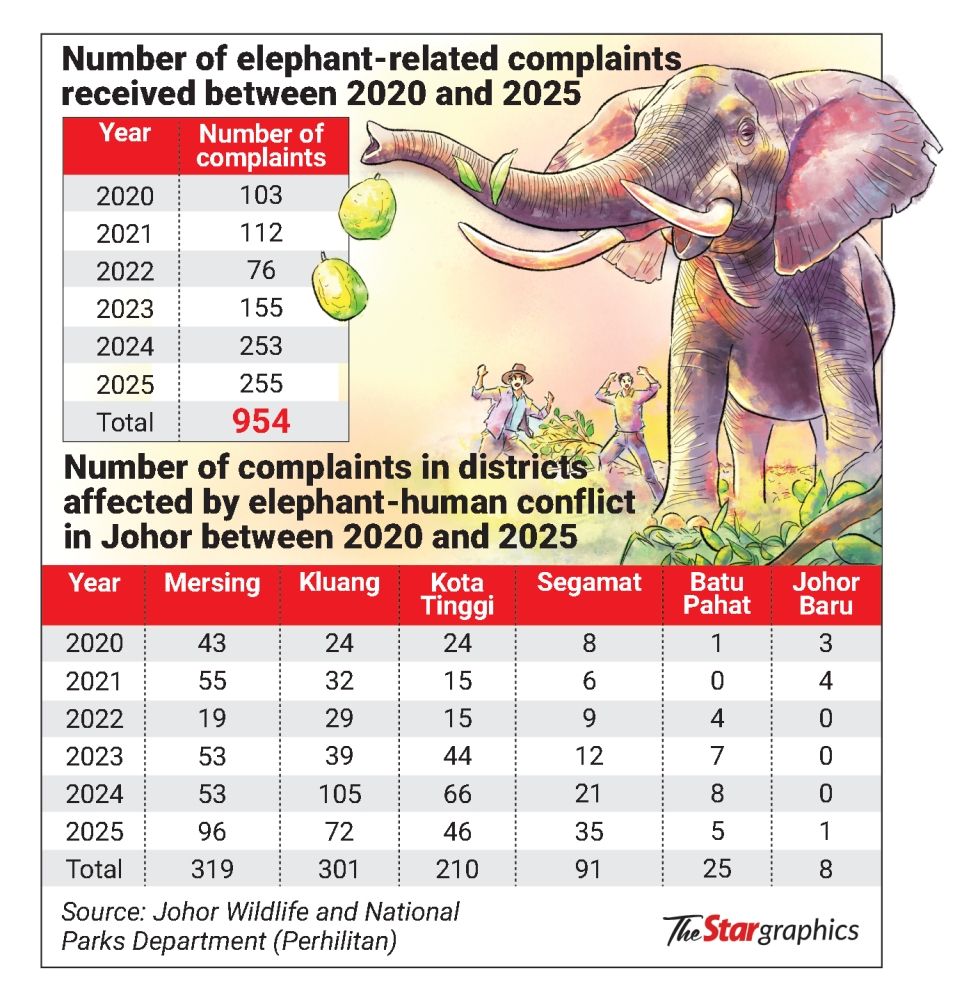
Ling, who is Yong Peng assemblyman, said that human-elephant conflict cases rose from 103 to 253 statewide between 2020 and 2024.
He said the incidents, which caused extensive crop and property losses, resulted in three human fatalities in 2024.
“Retaliatory cases were also recorded, including poisoning incidents that killed five elephants.
“Several elephants were also struck by trains during migration movements, disrupting rail services.
“To contain the situation, the state government approved RM300,000 in 2025 for the Wildlife and National Parks Department (Perhilitan) to carry out translocation operations,” he said.
The operations commenced on July 1 last year.
Ling said a total 21 elephants were successfully relocated throughout 2025 – the highest number recorded to date, compared with an average of nine translocations annually in previous years.
“Following the operation’s success, the state government has allocated another RM300,000 for 2026 to continue the programme.
“Beyond translocation, Johor has established Wildlife Protection Community Groups (KPHL) in Kluang which records the highest number of conflict cases,” he elaborated.
Ling said a total of RM226,400 was allocated to form 15 such groups in affected areas where village-based units were provided basic training and equipment to assist with early monitoring and community safety during elephant incursions.
He said the initiative, the first of its kind nationally, was modelled after field-based rapid response systems used in conservation areas abroad.
“At the same time, the state worked with eight plantation firms last year to set up eight hectares of elephant foodbanks.
“The foodbanks are intended to reduce elephant movement into agricultural zones, by providing feeding areas within or near their natural corridors,” he explained.
Ling said that with the latest additions, Johor now has 19.48ha of designated foodbank land for elephants.
“As a result, the authorities recorded no human deaths nor elephant poisoning cases in 2025.
“This suggests the mitigation measures are on the right track and starting to show positive results,” he noted.
Ling also said JES was envisioned to tackle both immediate conflict risks and long-term conservation requirements.
“The sanctuary is designed around three main objectives: conflict reduction through capture-and-release into designated zones, habitat enhancement in line with the National Elephant Conservation Action Plan, and the development of sustainable eco-tourism that benefits surrounding communities,” he highlighted.
He said JES was established to address an annual average of 100 such conflict complaints, which collectively account for estimated losses of RM1.1mil.
“The facility, which is still under construction, will open in stages according to infrastructure readiness, logistical capability and management capacity.”
He said the early phases would focus on animal welfare, technical operations, and safety protocols.
Public access, he said, would only be allowed after the completion of visitor infrastructure.
“JES currently houses eight captive elephants, including four calves rescued last year after they were found separated from their herds.
“The existing paddock system allows for a maximum capacity of seven adult elephants, though expansion plans are being explored under future federal development allocations.
“Only injured or orphaned calves are placed at the sanctuary, while adult elephants involved in conflict operations are translocated back into suitable wild habitats,” he added.
Ling said the sanctuary would also support rehabilitation, movement monitoring and research on elephant ecology.
He disclosed that satellite collars were being used to track migratory patterns and identify conflict hotspots as part of long-term mitigation planning.
He stressed that communities remained the frontline of response, adding that awareness, safety education and cooperation would continue to be strengthened to ensure safer coexistence between people and wildlife.
Johor Malaysian Nature Society (MNS) adviser Vincent Chow said there was urgent need for the state government to engage with non-governmental organisations (NGOs) in finding long-term solution to elephant-related issues in Johor.
“There is a lack of research on local elephants, making it very difficult to find the best solution to the problem.
“No matter how much is spent on projects, it will not make much difference if they are not backed by relevant research.
“We strongly urge the Johor government to work with NGOs, universities and experts to explore better and more reliable solutions,” he said.
Chow also urged the state government to set up a special committee to look into elephant-related issues in Johor, which he said were expected to worsen without proper solutions.
“We cannot blame the elephants for the conflict as they are merely trying to survive.
“Their habitat is shrinking, and it is only natural for them to move from one place to another in search of food.
“The solution must cater to the needs of the elephants as well, and not only serve as a way to make life easier for humans.
“By having more meaningful engagements, not just with experts and NGOs but also with local communities directly affected by this, we can arrive at better solutions that work for both humans and elephants,” said Chow.
“The bottom line is that the authorities need to talk to those with experience and expertise in this matter, and this is something that has been lacking for years,” he highlighted.
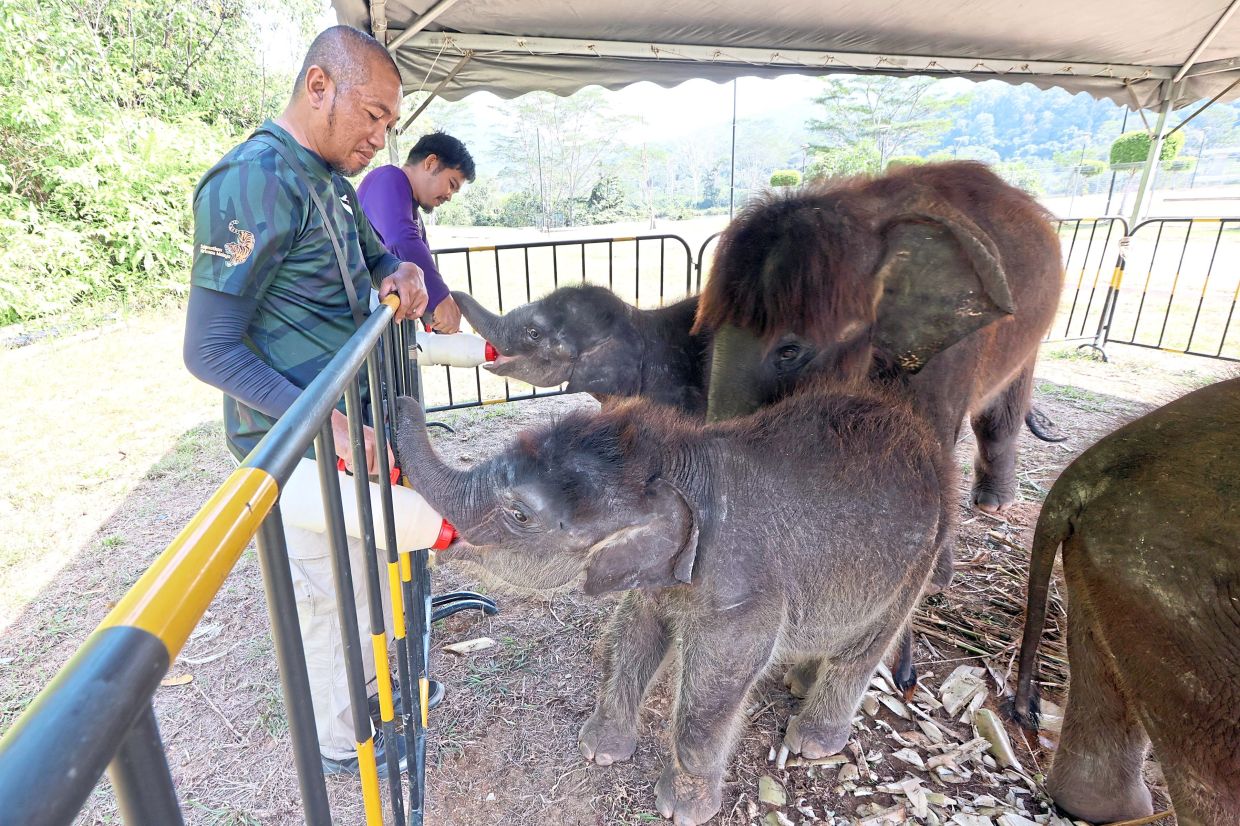
Johor Elephant Sanctuary staff feeding milk to rescued elephant calves at the reserve in Kota Tinggi. — THOMAS YONG/The Star
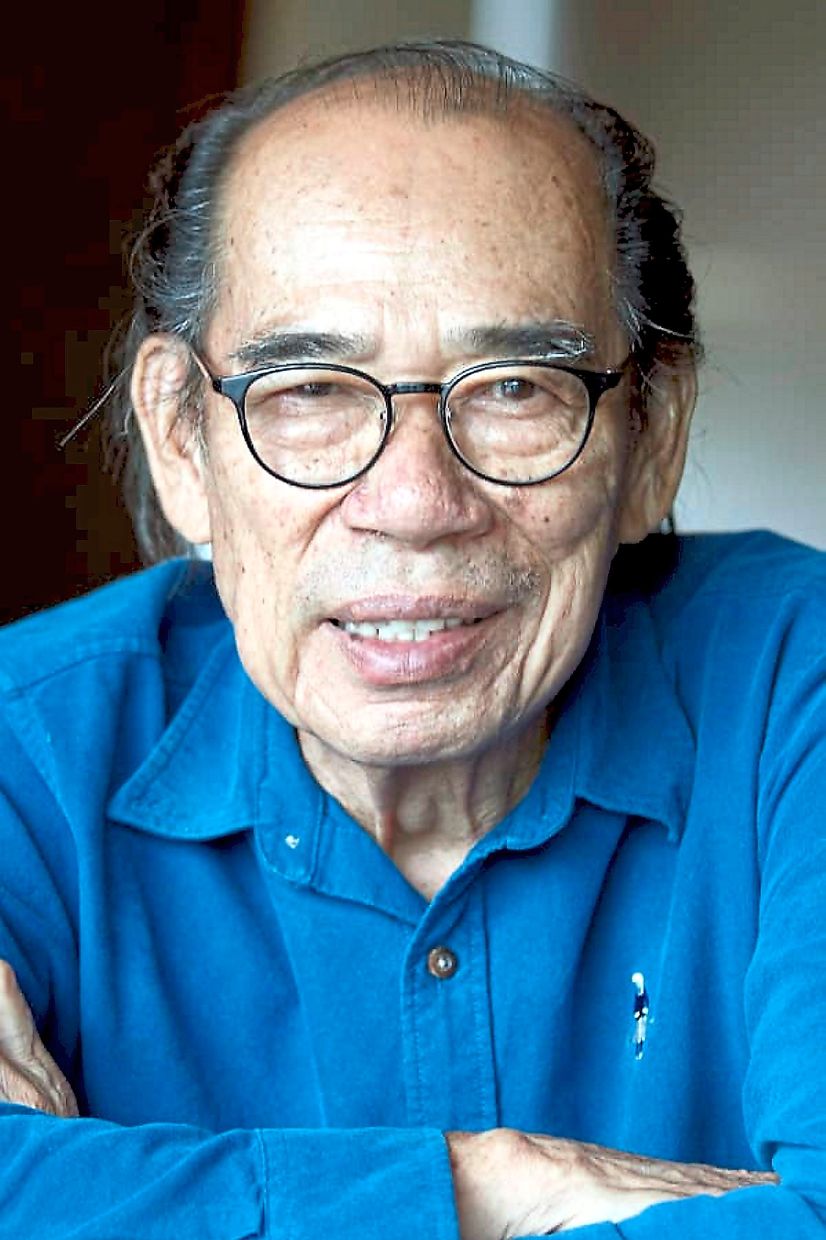
Chow says there is urgent need for Johor government to engage with NGOs to find a long-term solution to the state’s elephant issues.
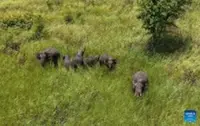
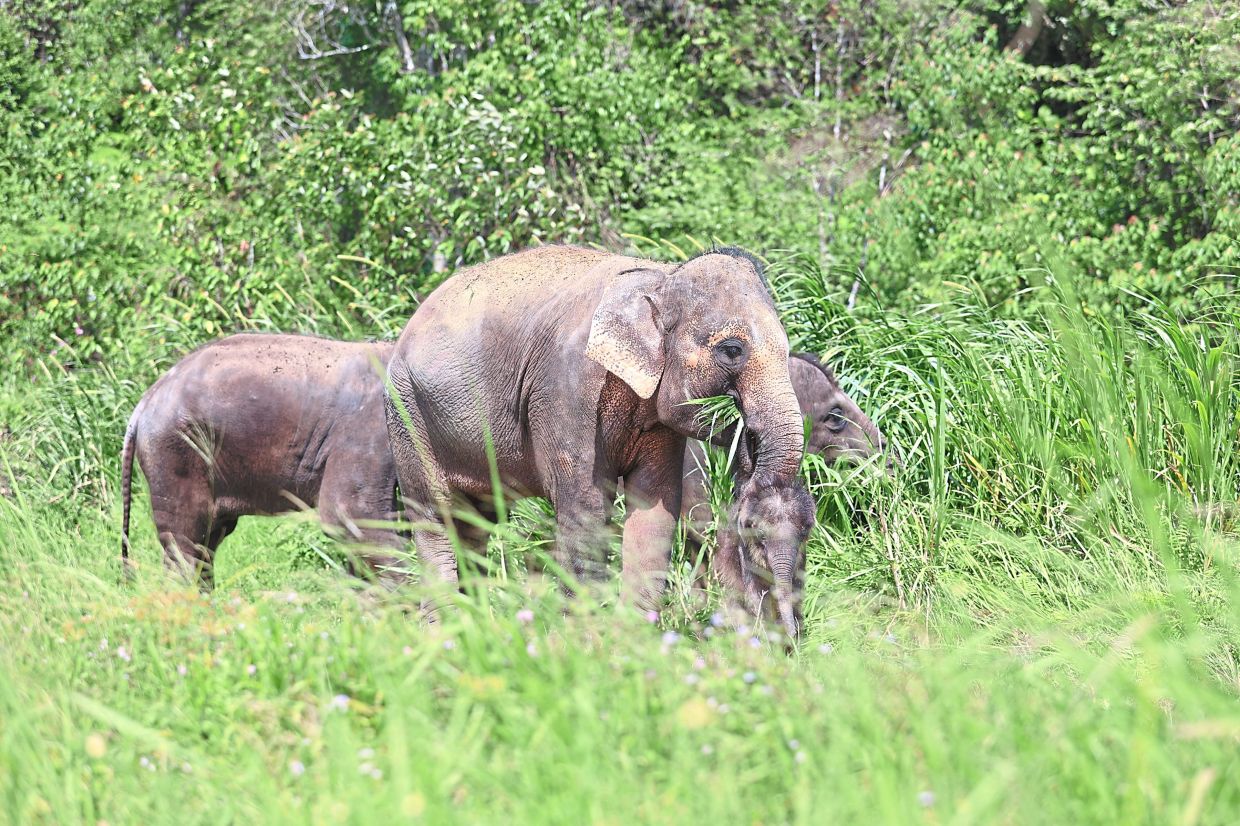
Elephants grazing on grass at the Johor Elephant Sanctuary in Kota Tinggi. — THOMAS YONG/The Star
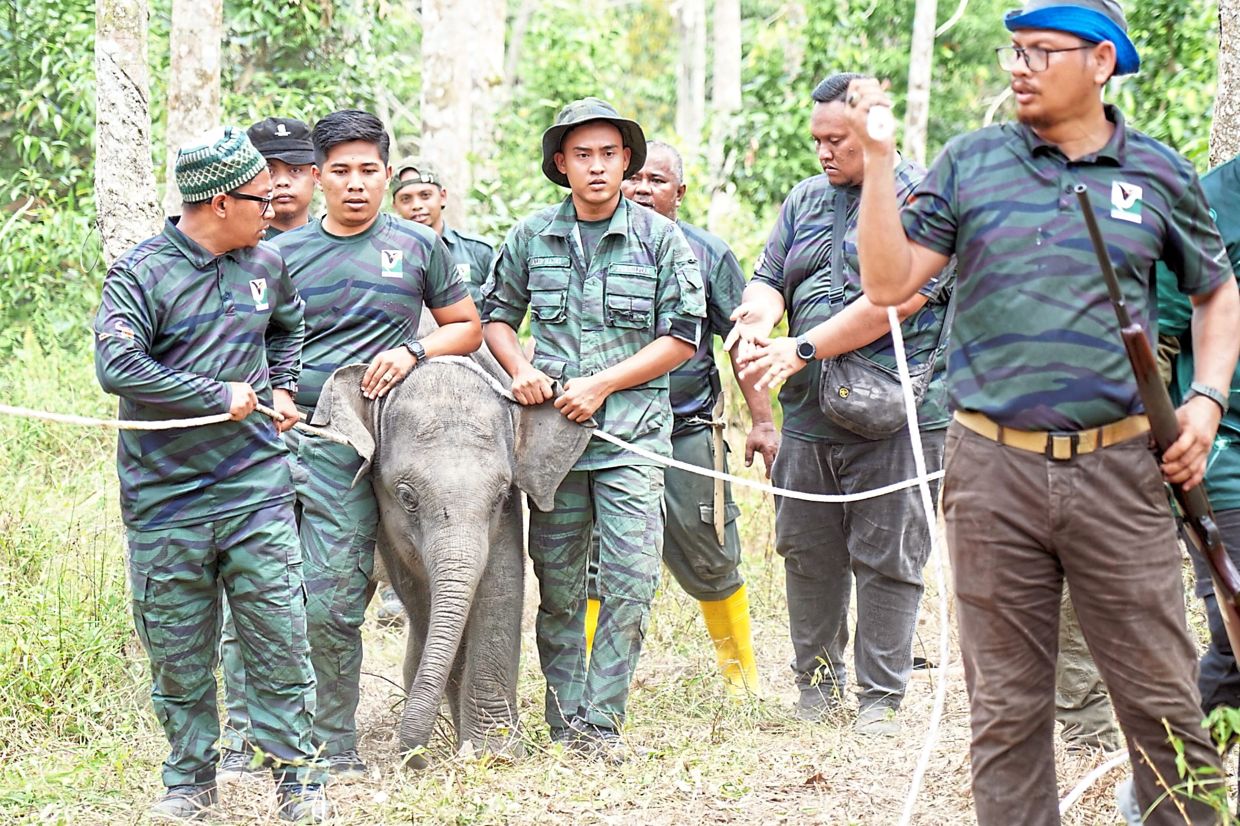
Perhilitan staff rescuing an elephant calf and leading it to the Johor Elephant Sanctuary.
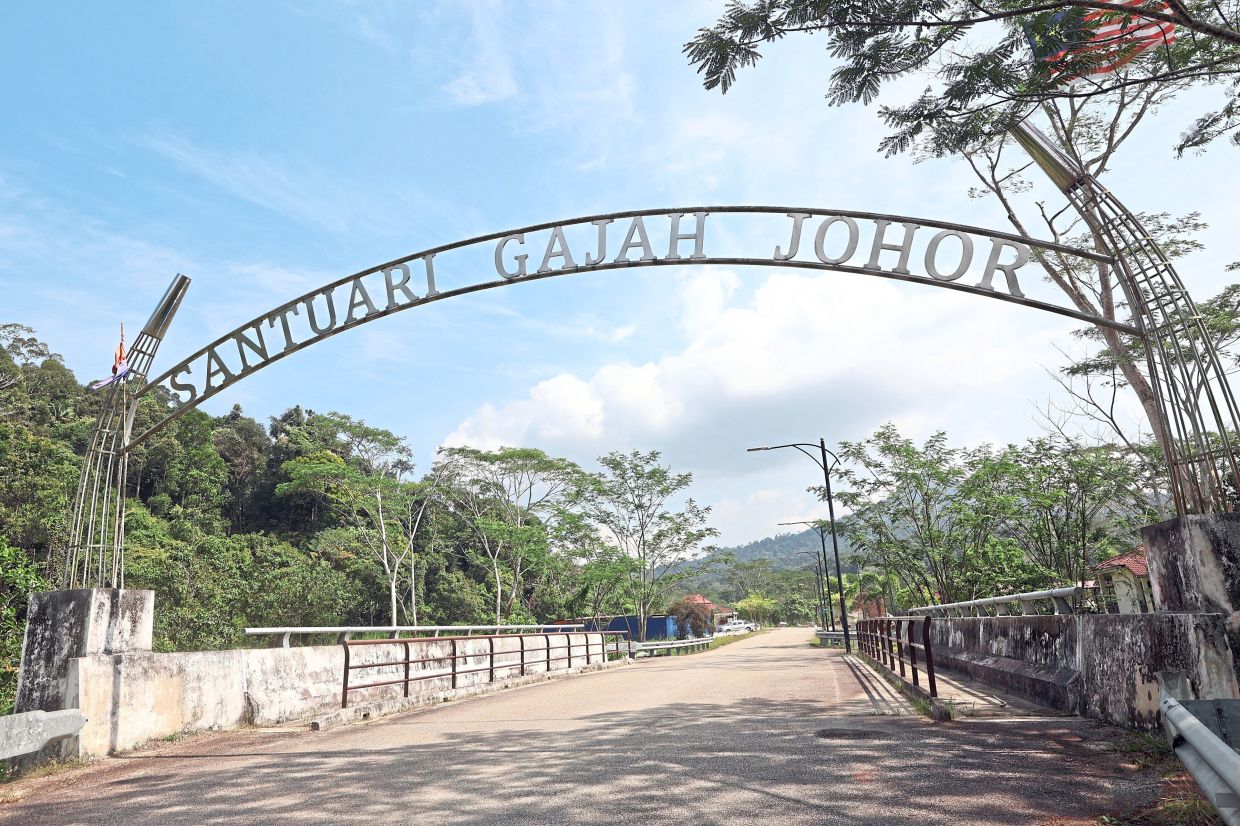
Although not open to the public yet, Johor Elephant Sanctuary currently houses eight captive elephants, including four rescued calves.