



Pricey pottery has found a new audience in young, fashion-conscious American men.
Precious earthenware is appearing on bookshelves, in curio cabinets and on the dinner tables of image-driven types with disposable income to burn.
High-end gallerists, artists and home goods boutiques say their male client base for ceramics has seen significant growth in recent years.
Men’s clothing boutiques across the United States now display handmade bowls, cups and vases in a manner similar to accessories like wallets or belts — indicating that ceramics are now considered part of a well-rounded lifestyle, like the hand-loomed Japanese linen shirts and bench-made loafers that sit beside them.
This rising interest in luxury ceramics, according to the men buying them, is the byproduct of changing gender norms relating to domesticity and decorating the home — a contrast to the calls by some for a return to traditional masculinity.
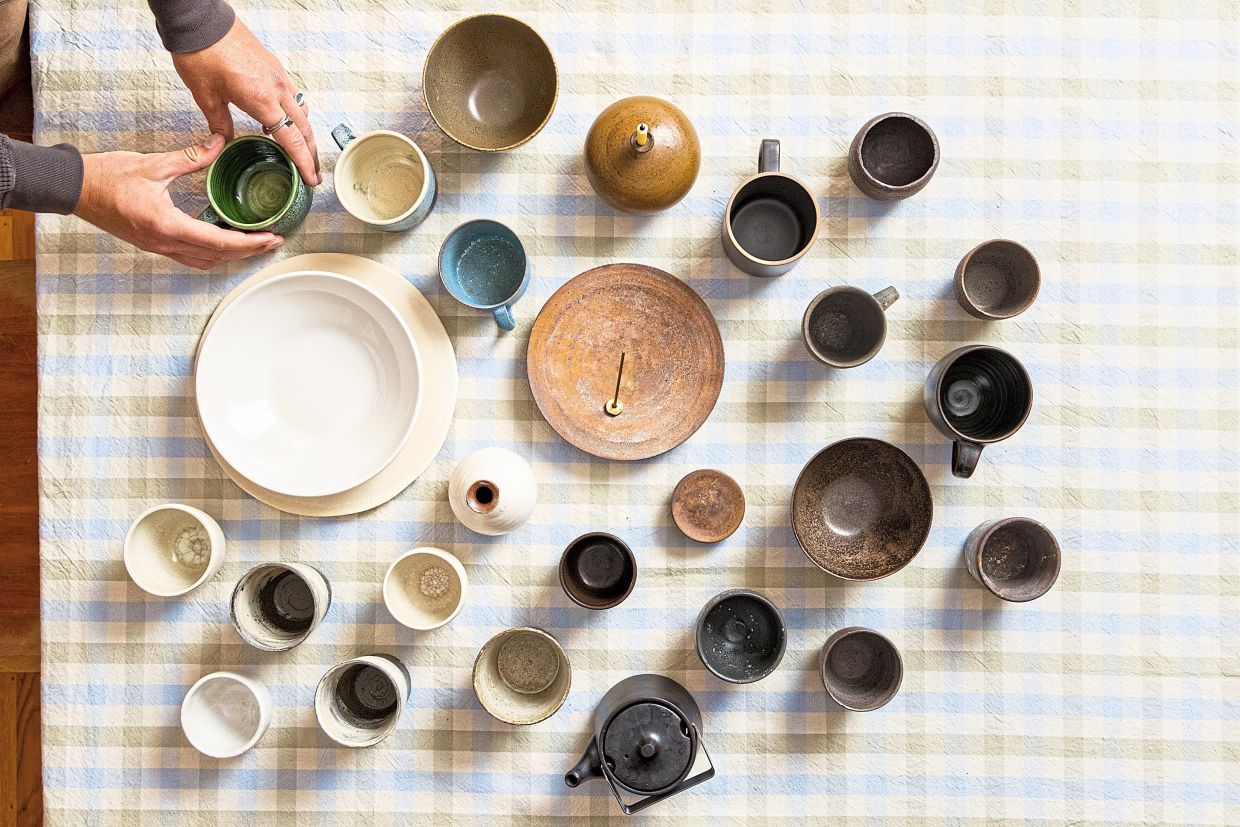
When Landon Gerrits began collecting ceramics in his early 20s, he felt like an anomaly. But now, Gerrits, who is based in San Francisco and who has invested in several high-end pieces of artisanal pottery, said he has noticed more and more friends appreciating the earthy, tactile nature of clay products and the longevity they offer in the home.
It’s an art form with both function and beauty.
"You are seeing an openness to men enjoying things that are aesthetic,” said Travis Burnham, 42, who lives in Queens, New York, and who has bought multiple pieces at Quarters, a home-goods emporium in the Tribeca neighbourhood of Manhattan, which sells handmade earthenware often priced in excess of US$400 (RM1,685).
Burnham has purchased pieces there for personal use as well as to place in stores he designs for others.
Gerrits, 29, a product designer for a tech company in San Francisco, acknowledged the "polarisation”, of gender roles in the country. Looking back, he said the decision to invest in pottery was an unconscious rejection of traditional masculinity, partly because "it’s an avenue to have a connection with the arts”.
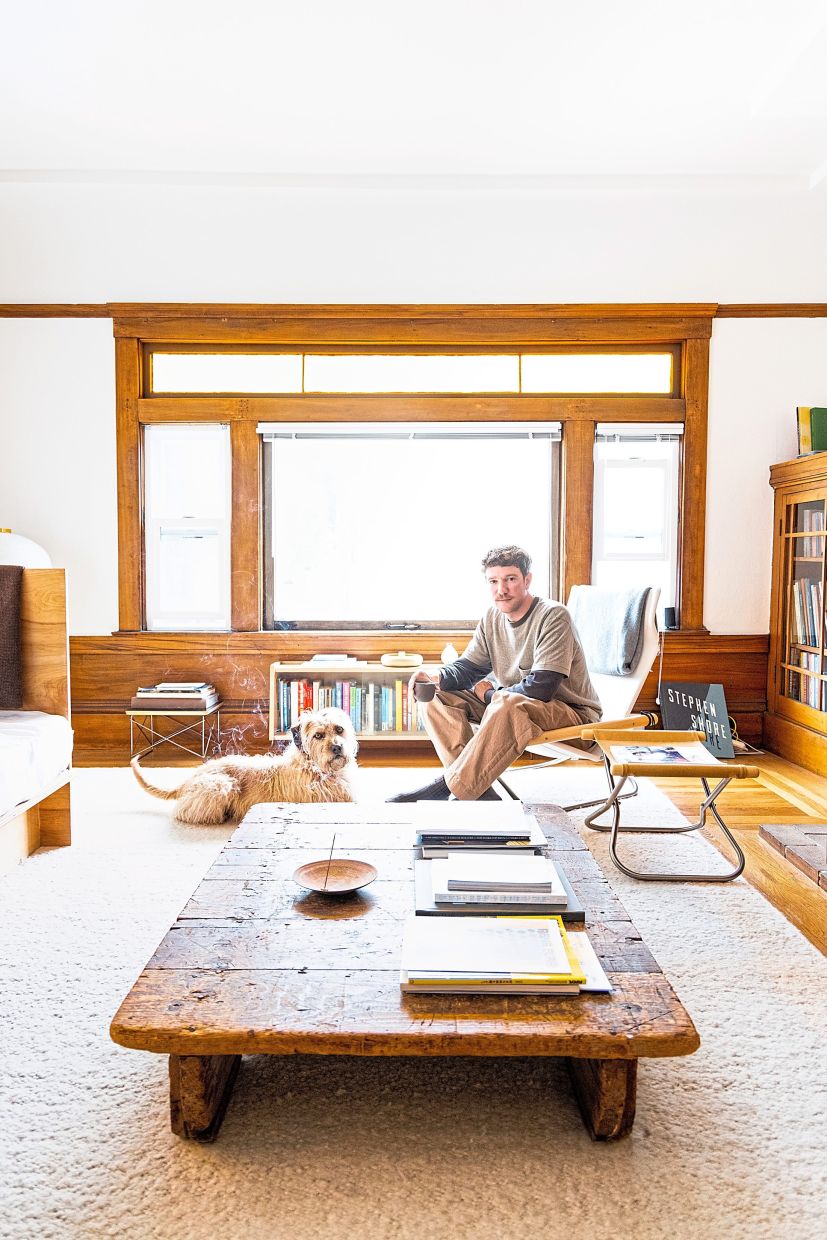
The act of collecting ceramics creates an opportunity for deep research into a world of something rare and expensive.
"There is a sophistication that everyone wants to have around knowing things,” said Timothy Grindle, the CEO of Canoe Club, a men’s fashion boutique in Boulder, Colorado, that has seen a 75% spike in its ceramics sales this year.
Rarefied clay pieces can also now be found at other menswear stores like Kith, which sells US$375 (RM1,580) crackle vases handmade in Philadelphia and a US$1,150 (RM4,848) candle housed in a French-made clay vessel that is called a "light sculpture”.
Pottery, both new and vintage, brackets the shoe selection at Ven. Space, a taste-making men’s boutique in Carroll Gardens, Brooklyn.
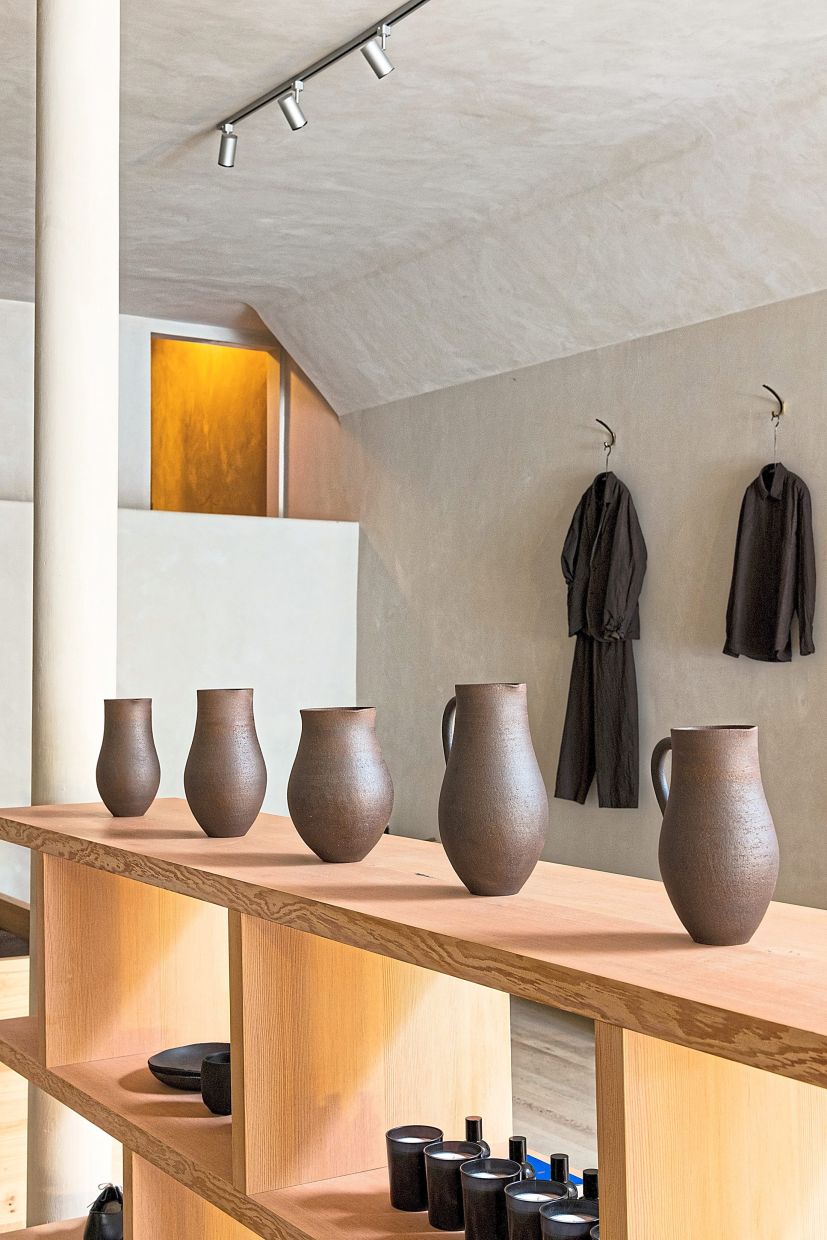
But why so much pottery in men’s boutiques? Clothing, according to Evan Kinori, a menswear designer in San Francisco, is like a gateway for men to hone an interest in home furnishings.
"It’s only a matter of time before it unlocks a door for them to think about other things they use to express their taste,” said Kinori, 37, who stocks artisanal works from Japan and New Mexico in his shop in the Mission District.
The pottery he sells is, in many ways, visually aligned with his minimal clothing designs — most of it exuding a wabi-sabi design influence, rich with texture and with the colour palette of a thousand twigs.
But even outside the fashion space, galleries, artists and home goods stores reported noticeable growth in pottery sales to men both young and old.
It’s the case with ceramics artists Courtney Duncan in Los Angeles and Jeremy Ayers in Waterbury, Vermont, as well as Jayson Home, a high-end retailer in Chicago.
Andrew Fry, an owner of Plain Goods, a lifestyle store in Washington, Connecticut, said that men now account for some 50% of the store’s ceramic’s purchases — up from about 30% last year.
At Dobrinka Salzman’s gallery in the Chelsea neighbourhood of Manhattan, which specialises in lighting, furniture and ceramics, pieces sell for around US$10,000 (RM42,160) and the purchase of pottery among men has nearly doubled in the last year.
Salzman said the increase in purchases was partly because those prices are accessible when compared to the cost of paintings and sculptures at nearby galleries.
This widening interest in high-end domestic products among men first emerged during the pandemic, experts said. It has since evolved to become a visual extension of the male identity — particularly on social media, where living spaces are a backdrop for daily life.
"One’s home is up for judgment more than ever, it’s no longer deemed as a traditionally feminine space,” said James Harris, 39, a host of the popular fashion and culture podcast Throwing Fits.
It’s a concept that’s begun proliferating outside major US cities. Ben Reese, a veterinary clinic manager in Athens, Georgia, has long collected southern folk pieces.
Lately, he has begun purchasing contemporary pieces including those sold at Canoe Club and plans to soon invest in a US$650 (RM2,740) hand-painted vase that depicts a country-western scene.
Recently, Reese, 29, has begun gifting small ceramics to his male friends, and has noticed that their appetite for home decor "is bubbling up”.
This newfound connoisseurship and an appreciation for craggy stoneware makes Alex Applegate, a San Francisco-based copywriter, feel like he is breaking with the "boomer” tradition of mass-produced tableware from companies like Corelle, which were in his home growing up.
Like his friend Gerrits, Applegate enjoys investing in pottery for its idiosyncrasies — even if it proves riskier than his parents’ cookie-cutter tempered glass.
"I’ve broken some things and glued them back together — they are plant stands now,” Applegate, 34, said of his pottery collection.
"It’s a mild romantic frivolity that makes life nicer.” – ©2025 The New York Times Company

