
Eating raw or inadequately cooked food has become a culinary trend that many people indulge in, whether it’s the allure of sushi, the rich flavours of steak tartare, or the convenience of undercooked leftovers.
While these dishes can be delicious, they also come with risks that many may not be fully aware of.
This article aims to shed light on the potential health risks associated with consuming such foods, particularly focusing on parasitic worms like Anisakis sp., along with other infections caused by parasites, viruses and bacteria.
Understanding these risks can help you make more informed decisions without succumbing to unnecessary fear.
Anisakis sp. is a genus of parasitic worms that are commonly found in marine fish and squid.
These worms can cause anisakiasis, an infection that occurs when humans consume raw or undercooked seafood contaminated with Anisakis larvae.
The symptoms of anisakiasis can include severe abdominal pain, nausea, vomiting and in some cases, an allergic reaction.
The risk of contracting anisakiasis depends largely on the consumption of raw or undercooked seafood.
In countries where raw fish is a dietary staple, such as Japan, the incidence is higher.
However, with the increasing popularity of sushi and sashimi worldwide, including Malaysia, awareness of this parasite is essential.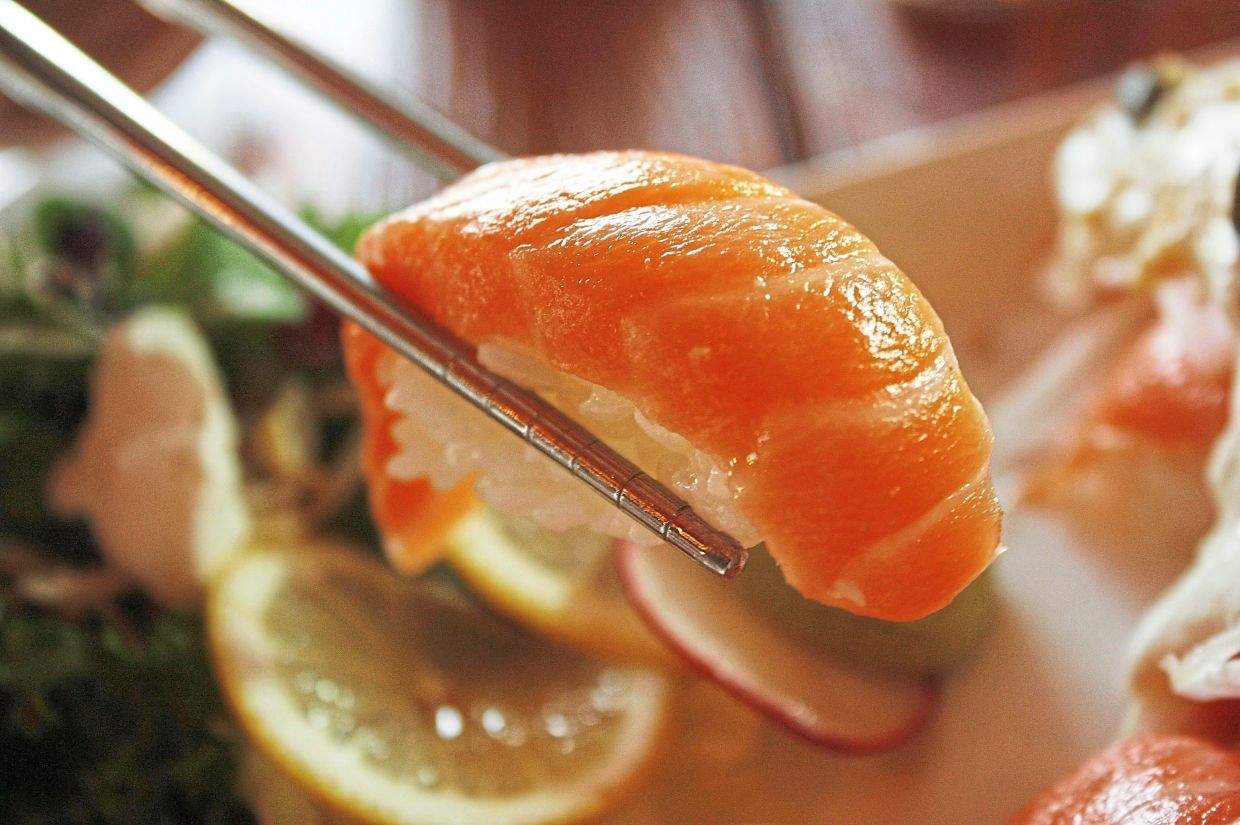
While Anisakis sp. is a significant concern, it is not the only parasitic worm that poses a risk.
Here are a few others:
> Tapeworms (Taenia spp.)
Consuming undercooked beef or pork can lead to tapeworm infections.
Symptoms might be mild or non-existent, but in some cases, tapeworms can cause digestive problems, weight loss and malnutrition.
> Toxoplasma gondii
This parasite is found in undercooked or contaminated meat and can also be contracted through contact with cat faeces.
While often asymptomatic in healthy individuals, it can cause serious complications for pregnant women and immunocompromised individuals.
> Trichinella spiralis
This roundworm is found in undercooked pork and wild game.
Trichinosis, the infection it causes, can lead to gastrointestinal symptoms initially, followed by muscle pain, fever and swelling.
Bacteria are another significant concern when it comes to raw or undercooked foods.
Here are some common bacterial pathogens:
> Salmonella
Found in raw eggs, poultry, and meat, as well as unpasteurised milk and juice.
Symptoms include diarrhoea, fever and abdominal cramps.
> E. coli
Certain strains, especially those found in undercooked beef and contaminated raw vegetables, can cause severe food poisoning, leading to bloody diarrhoea.
> Campylobacter
Commonly found in undercooked poultry and unpasteurised milk, this bacterium causes diarrhoea, fever and abdominal pain.
It can also lead to long-term conditions such as irritable bowel syndrome.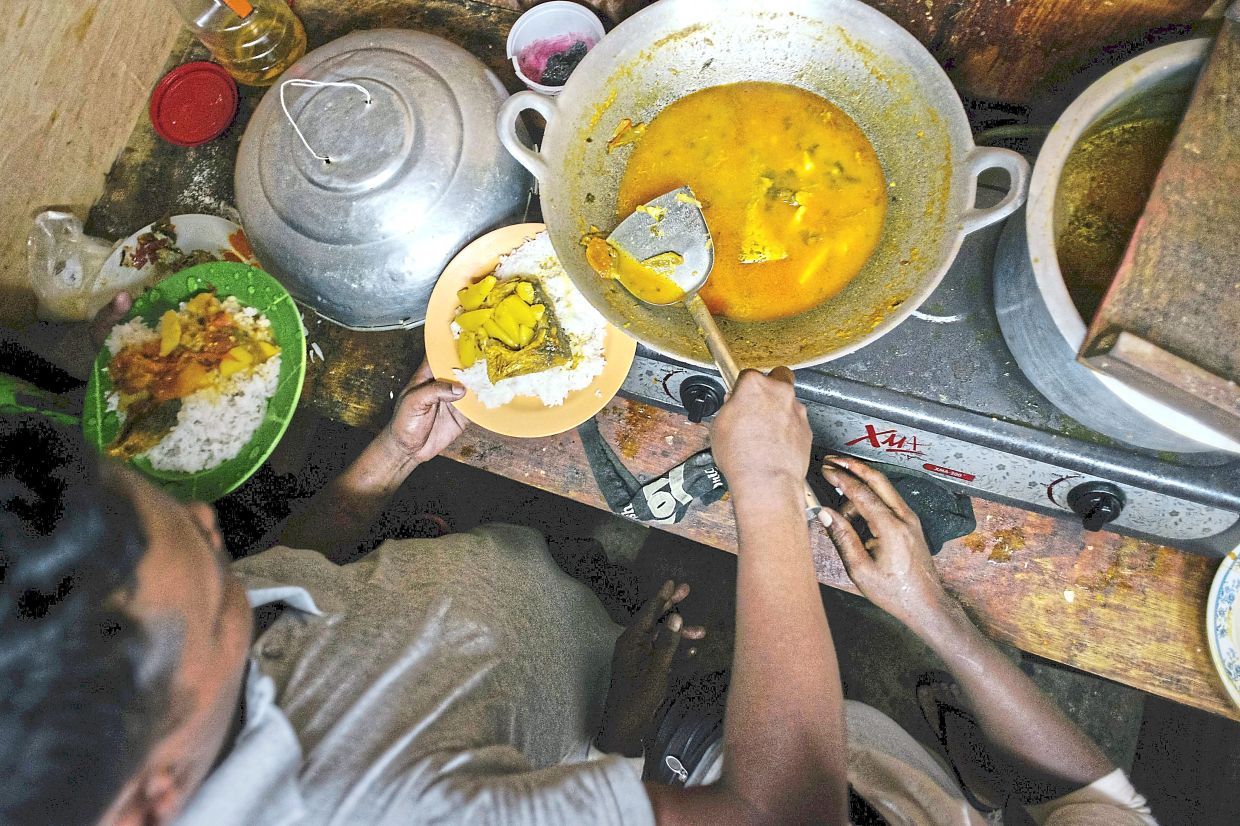
Viruses can also be transmitted through raw or undercooked food, though they are less common than bacterial infections.
Notable examples include:
> Hepatitis A
This virus is spread through contaminated food or water, and is often linked to raw shellfish.
It causes liver inflammation, leading to symptoms such as jaundice, fatigue and abdominal pain.
> Norovirus
Known for causing outbreaks of gastroenteritis on cruise ships and in communal settings, it is highly contagious and can be transmitted through contaminated food, especially raw vegetables and shellfish.
The likelihood of contracting these infections varies based on several factors, including the type of food, preparation methods and overall hygiene standards.
Here are some key points to consider:
> Anisakis sp.
The risk can be minimised by freezing seafood at -20°C for at least 24 hours before consumption, as recommended by food safety authorities.
This kills the larvae and makes the fish safe to eat raw.
> Tapeworms and trichinella
Cooking meat to an internal temperature of at least 63°C (145°F) for whole cuts, and 71°C (160°F) for ground meat, can effectively eliminate these parasites.
> Bacterial infections
Proper food handling and cooking practices are crucial.
This includes washing hands and surfaces frequently, avoiding cross-contamination and cooking food to safe temperatures.
> Viral infections
Ensure good hygiene and source food from reputable suppliers.
Vaccination is available for Hepatitis A and is recommended for travellers to certain areas.
While the potential health risks associated with consuming raw and undercooked foods are real, they can be managed with proper knowledge and precautions.
Here are some practical tips:
> Educate yourself
Understand the specific risks associated with the foods you enjoy and learn the recommended safety practices for preparing and consuming them.
> Source wisely
Purchase food from reputable sources that adhere to strict hygiene and safety standards.
> Practise good hygiene
Always wash your hands, utensils and surfaces when preparing food.
Avoid cross-contamination between raw and cooked foods.
> Cook properly
Use a food thermometer to ensure foods are cooked to safe temperatures.
When in doubt, cook it a bit longer to be safe.
> Stay Informed
Keep up-to-date with food safety guidelines from reliable sources such as the World Health Organization (WHO) and local health authorities.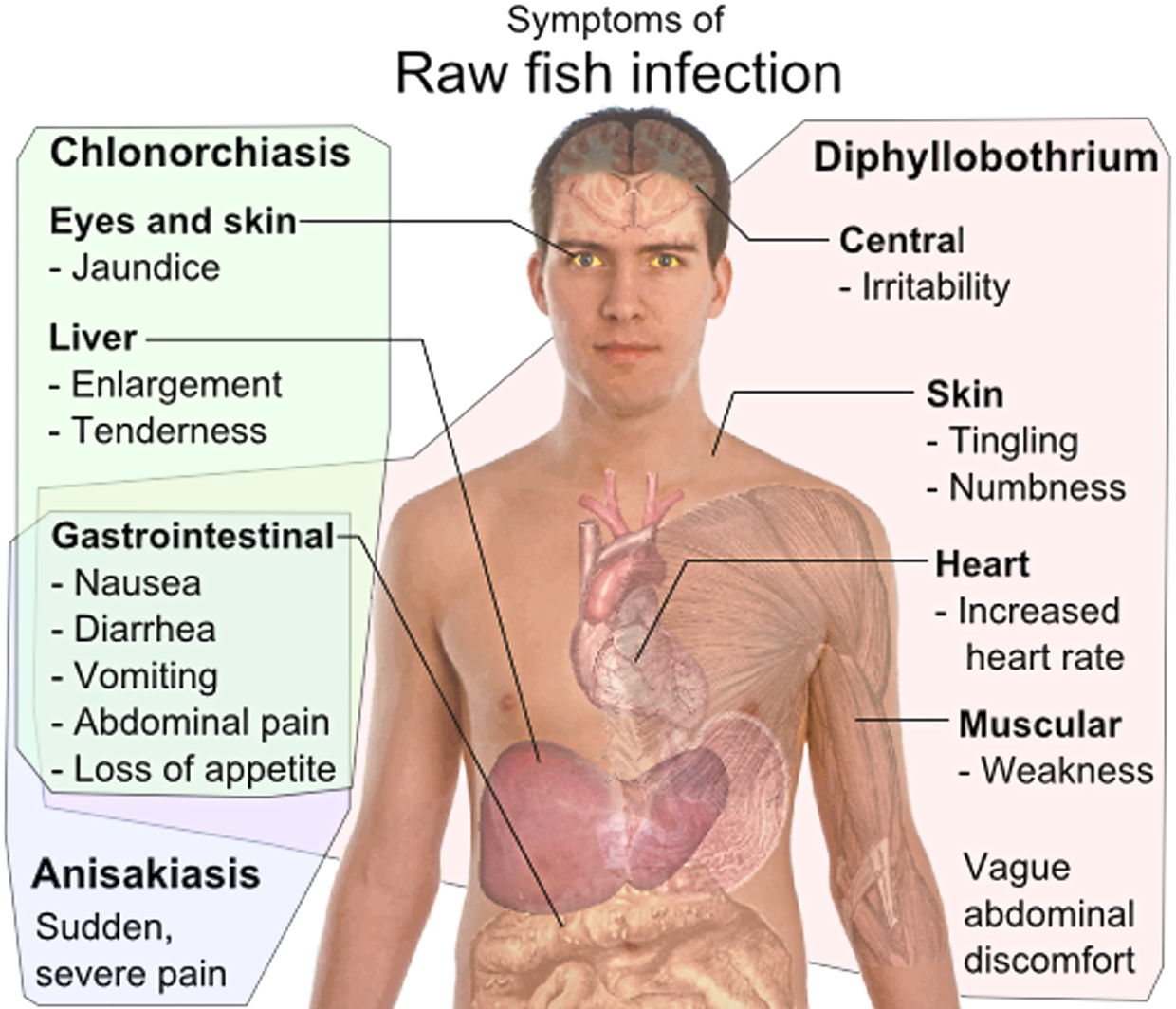
Knowing when to seek medical attention can help you manage potential foodborne illnesses effectively.
If your symptoms are mild such as slight stomach discomfort, mild diarrhoea, or minor nausea after consuming raw or undercooked food, you can often manage these at home with rest, hydration and a bland diet.
However, if symptoms escalate to severe abdominal pain, persistent vomiting, high fever, bloody diarrhoea, or signs of dehydration (such as extreme thirst, infrequent urination, or dizziness), it’s crucial to see a doctor immediately.
Additionally, individuals with weakened immune systems, pregnant women, young children and the elderly should seek medical advice even with mild symptoms due to their higher risk of complications.
Early medical intervention can help prevent more serious health issues and ensure a speedy recovery.
The allure of raw and undercooked foods can be tempting, but it’s essential to be aware of the potential risks they carry.
By understanding these risks and taking appropriate precautions, you can enjoy your favourite dishes without compromising your health.
Remember, the key is not to avoid these foods altogether but to consume them wisely and safely.
Dr Vinoth Kumarasamy is a parasitologist and lecturer at Universiti Kebangsaan Malaysia. For more information, email starhealth@thestar.com.my. The information provided is for educational and communication purposes only, and should not be considered as medical advice. The Star does not give any warranty on accuracy, completeness, functionality, usefulness or other assurances as to the content appearing in this article. The Star disclaims all responsibility for any losses, damage to property or personal injury suffered directly or indirectly from reliance on such information.
Already a subscriber? Log in
Get 20% OFF The Star Digital Access
Cancel anytime. Ad-free. Unlimited access with perks.