Globally, more than two million people die of pneumococcal infections every year, of which a million are children below five years old.
Pneumococcal infections are caused by the bacteria Streptococcus pneumoniae, commonly referred to as pneumococcus.
The bacteria is a common cause of pneumonia, meningitis, bacteraemia, otitis media, sinusitis, joint and bone inflammation, cardiac infections and conjunctivitis.
High-risk groups for pneumococcal infections include:
• Children younger than five years, particularly aged two years or younger
• Children who attend day care
• Adults older than 50 years
• Immuno-compromised persons (e.g. those with HIV, cancer)
• Smokers

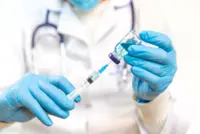
There are currently two types of pneumococcal vaccines to help protect against pneumococcal infections: pneumococcal conjugate vaccine (PCV13) and pneumococcal polysaccharide vaccine (PPSV23).
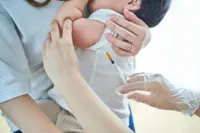
A study has shown that the pneumococcal conjugate vaccine caused significant decrease in pneumococcal pneumonia admissions for children two to four years (73%) and adults 18-39 years (30%).
PCV is the only vaccine in the last 20 years to show a significant reduction in all-cause child mortality. Seven deaths were prevented for every 1,000 children vaccinated with PCV in The Gambia study.
PCV decreases antibiotic-resistant Invasive Pneumococcal Disease (IPD), and has resulted in less IPD in all age groups in US due to herd immunity
The potential impact of PCV is greater in countries with high child mortality, where pneumococcal disease incidence is highest. The WHO SAGE report has concluded that introduction of PCV is a “high priority” in these countries.
In general, PCV is well-tolerated, with no serious adverse effects.
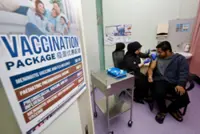
PCV is highly recommended for the protection against pneumococcal diseases in children and in adults above 50 years. It is not covered under our National Immunisation Programme, but is readily available in private clinics and hospitals.
Consult your doctor about getting vaccinated and learn more about protecting you and your family against the threat of pneumococcal diseases.
Datuk Dr Musa Mohd Nordin is a consultant paediatrician and neonatologist. This article is courtesy of the Malaysian Paediatric Association’s Positive Parenting programme in collaboration with expert partners. For further information, visit www.mypositiveparenting.org. The information provided is for educational and communication purposes only and it should not be construed as personal medical advice. Information published in this article is not intended to replace, supplant or augment a consultation with a health professional regarding the reader’s own medical care. The Star disclaims all responsibility for any losses, damage to property or personal injury suffered directly or indirectly from reliance on such information.
Already a subscriber? Log in
Get 20% OFF The Star Digital Access
Cancel anytime. Ad-free. Unlimited access with perks.