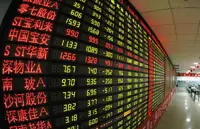
MANILA: After a rollercoaster ride in the past two years as businesses took a hit from the prolonged Covid-19 pandemic, the local stock market is seen to attract more bulls than bears this new year.
In 2021, the Philippine Stock Exchange index (PSEi) ended no better than its lacklustre finish in 2020 when the Covid-19 pandemic first erupted.
The main index gave up all gains seen earlier in the year to close at 7,122.63, down by 17.08 points from the close of 7,139.71 in 2020 as Covid-19 cases started to rise again during the holidays.
The PSEi’s decline last year was marginal at 0.2%, coming from an 8.64% drop in 2020, but the selldown in the last trading day of the year reflected a string of uncertainties that prevent aggressive positioning for the new year.
Nonetheless, the market may be building a base toward a new bull market, said BDO Unibank chief strategist Jonathan Ravelas.
This year, he said the PSEi may recover to 7,800, some 677.37 points or 9.5% better than 2021’s finish, before further climbing to 8,500 in 2023.
For as long as the PSEi does not fall below the 6,950 support level, Ravelas said downside threat could be minimal.
“We are in consolidation range between 7,000 to 7,400,” he said in an interview with Inquirer. “This is already a base-building to a new bull market.”
When the PSEi bounced from the 4,000 levels at the peak of the hard lockdowns in early 2000, Ravelas said the stock market had already crawled out of bear territory. However, he said there were still too few growth drivers and too many uncertainties.
On Friday, the last trading day of 2021, the PSEi slid by 211.93 points or 2.89%.
“There were no fireworks. The Santa Claus rally was preempted by the surge in Covid-19 cases. Most investors opted to play safe and take profits,” said Astro del Castillo, managing director at fund management firm First Grade Finance.
“It’s a new year but old concerns remain,” he added.
“The PSEi is expected to continue to move sideways in the next several weeks as it encounters a resistance at the floor of a prior multi-year top,” said Ron Acoba, chief investment strategist at Trading Edge, an equities research trading provider.
Given that it had taken seven years to hit such top before the index slipped into a bear market, Acoba said it might take some time before the market could tackle the 7,400 to 7,500 zone.
“Barring any Omicron-related sell-off, we nonetheless expect the index to eventually surpass the 7,500 level. In the event that it does, the index may launch itself to as much as its prior peak of 9,000,” Acoba said, when asked about his outlook for 2022.
The market uncertainties could wane in the second half of 2022, Ravelas said, noting that the continued slowdown in core inflation would benefit the market and give leeway for the local central bank to keep interest rates low.
“If that continues, then that should actually be good for the market. You will eventually see a little bit of spending due to the election as spending has been anaemic during the pandemic,” he said.
At the same time, he said there would have been a change in administration and the new CEO of the land would have to pump-prime the economy towards recovery. The country is set to elect a new president in May.
Despite the increase in government deficit due to Covid-19 intervention measures during this pandemic, Ravelas said the new administration would have to spend its way out of the deficit.
He added that it would really be the government that would be the “conductor” towards a return to prepandemic economy vibrancy by 2023. — The Philippine Daily Inquirer/ANN
Already a subscriber? Log in
Get 20% OFF The Star Digital Access
Cancel anytime. Ad-free. Unlimited access with perks.