PHNOM PENH: A 1,000-year-old Cambodian bronze of the reclining Hindu god Vishnu has gone on display at the Asian Art Museum in San Francisco, the US. The statue is part of an exhibition which explores the links between Hindu beliefs, water management systems and the power of the ancient Kings of the Khmer civilisation.
The “Vishnu’s Cosmic Ocean” exhibition opened to the public on October 23 and will run until January 25 next year.
The statue, the largest ancient bronze sculpture ever discovered in South-East Asia, is on loan from the National Museum of Cambodia, and will return to the Kingdom after the exhibition.
The museum announced that an October 25 opening ceremony will feature a traditional Khmer Buddhist blessing ceremony, organised by Wat Dhammararam, to bring protection, good fortune and well-being to the ancient statue and its visitors.
The programme will also include Khmer dance performances by Morodok Angkor and Proleung Seilaphak, along with art activities, family storytelling sessions and guided exhibition tours.
On November 1, the Society for Art and Cultural Heritage of India (SACHI) will stage a special event, themed “The Calm and Chaos of Vishnu’s Cosmic Ocean”.
The event will feature discussions by Natasha Reichle, the museum’s curator of Southeast Asian art, and Forrest McGill, a former curator.
They will discuss how ancient Khmer rulers used large-scale water engineering systems and Hindu mythology surrounding the cosmic ocean to demonstrate their authority, foster prosperity and promote traditions of grand ceremonial celebrations that continue to influence cultural practices today.
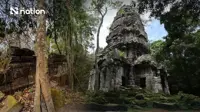
The reclining Vishnu originated from the West Mebon temple in the Angkor region. About 1,000 years ago, the statue was enshrined on an artificial island in the middle of a vast reservoir. Its original setting was associated with Hindu beliefs about Vishnu reclining on the serpent Ananta in the primordial ocean before the creation of the universe.
The statue remained buried for centuries before being rediscovered in 1936. It is now regarded as a masterpiece of Khmer bronze art and a testament to the technical and artistic achievements of the Angkorian civilisation.
The Asian Art Museum said the exhibition offers visitors an opportunity to appreciate the scale of the statue, which measures approximately six metres in length.
The exhibition coincides with growing interest in the West Mebon temple, which is reportedly attracting large numbers of visitors. An official opening ceremony is scheduled for November. - The Phnom Penh Post/ANN