BANGKOK: Thailand wants to leave an impression when the world’s finance elite descend on Bangkok next week. Even the finger food is part of the plan.
Hosting the International Monetary Fund and World Bank annual meetings, for the first time since 1991, gives the South-East Asian nation a rare chance to put its culture before more than 15,000 finance ministers, central bankers, executives and other delegates from 191 countries.
Thailand is treating everything from what they eat to what they hear as an exercise in soft power.
For a middle power that can’t command the global stage through economic or geopolitical heft alone, that influence matters. Keeping Thailand in the minds of decision-makers can help attract tourists, investors and businesses long after the meetings end.
Food has long been a tool of Thai gastrodiplomacy and is a key part of Thailand’s broader soft-power strategy. The government’s "Thai Kitchen to the World” initiative promoted Thai restaurants and cuisine overseas while supporting food exports, farmers and entrepreneurs. So even with delegates rushing between meetings and sometimes eating while standing, considerable thought is going into what fits on their plates.
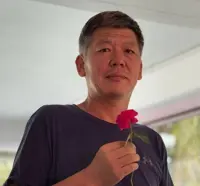
Songpol Kittikhunwatchana, executive chef at the meetings’ main venue, the Queen Sirikit National Convention Center, is giving humble tilapia a fine-dining makeover, aging it for five days with makrut lime, lemongrass, cinnamon and cloves. The technique, he said, firms its soft flesh and creates a richer, creamier texture, enough that diners might mistake it for sea bream or premium sea bass.
"The food has to be easy to eat without getting in the way of discussions,” Songpol said in an interview. "We can’t simply serve elaborate Thai dishes. So we work within the required menus and let local ingredients bring Thailand to the table.”
Songpol wants delegates to see value in ingredients many Thais consider ordinary. The tilapia itself carries a distinctly Thai story. The late King Bhumibol Adulyadej began breeding tilapia after receiving 50 of the fish from Japan’s then-Crown Prince Akihito in 1965, and later distributed thousands to promote them as an affordable source of protein.
About 70%-80% of the roughly 2,000 ingredients used during the meetings will be sourced in Thailand.
He’s working with local rice and coconuts alongside less obvious products including Thai-made miso and cheese and "sweet salt” from the southern province of Pattani.
Even pesto is getting a Thai makeover, with local herbs, rice-bran oil and cashews replacing the usual basil, olive oil and pine nuts. Massaman curry will turn up inside roast-beef wraps.
A government reception on Oct. 16 will give Thailand more room to show off. Street-food vendors will serve alongside Michelin-recognized Thai restaurants including two-star R-Haan and one-star Bo.lan and Chim by Siam Wisdom. Songpol is also preparing a bite combining Phuket lobster with coconut water, cucumber and watermeal, a tiny protein-rich aquatic plant eaten in Thailand.
Food is only part of the pitch. Nene Royal, the teenage Thai guitarist who became a global sensation on America’s Got Talent, is due to perform for delegates next week, adding one of the country’s newest cultural exports to the showcase.
Thailand has increasingly turned to food, entertainment and popular culture to amplify its international profile, using cultural influence to reach audiences beyond the country’s traditional economic and diplomatic weight.
For Songpol, success can be measured more simply.
"If just one person goes home and says, ‘The food at that event was delicious,’ I’d be happy,” he said. - Bloomberg