Fifty years after a student demonstration against dictatorship ended in a massacre, Thailand’s latest generation of protesters say they still face threats including prosecution, jail or exile.
Nutthanit Duangmusit, 24, spent several months in pre-trial detention before being convicted under Thailand’s strict royal defamation law, among almost 300 people charged under so-called lese majeste since 2020.
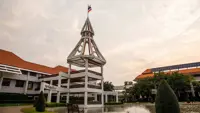
She is currently on bail while she appeals against her conviction and has been helping organise commemorations for the anniversary of the Oct 6, 1976, killings at Thammasat University.
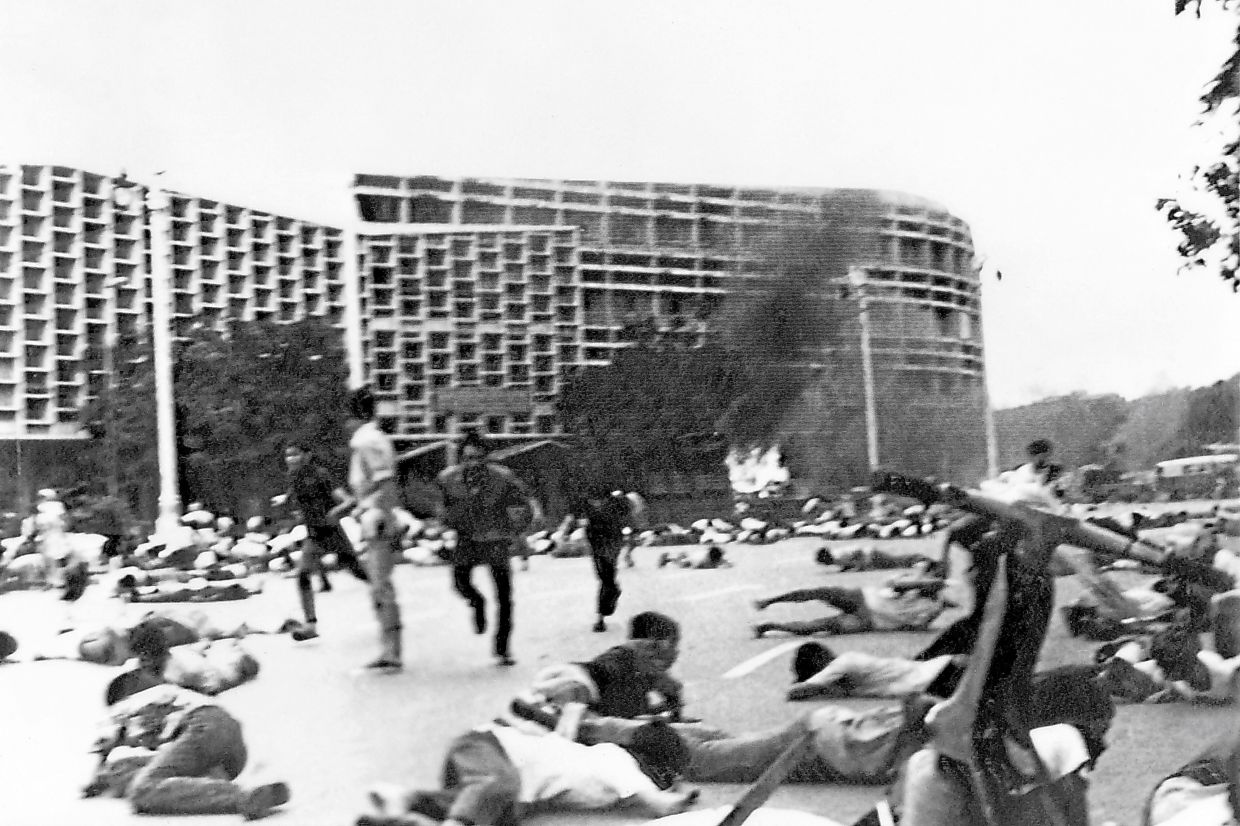
In one of the darkest chapters in modern Thai history, security forces and right-wing mobs massacred student protesters at one of the nation’s top universities.
“Back then, guns were fired and bodies lay on the ground,” Nutthanit said at the campus in Bangkok.
“Today, the violence comes through the law.”
The Thai government did not respond immediately to a request for comment on the use of legal measures against activists.
The crackdown 50 years ago followed the return of military dictator Thanom Kittikachorn, who had been ousted three years earlier.
Students gathered at Thammasat to oppose his return.
At dawn on Oct 6, police and right-wing groups stormed the campus, shooting, beating and lynching protesters.
The official death toll was 46, although survivors and witnesses believe more than 100 were killed.
No state official has been held accountable.
Government spokesman Ekkapob Pianpises said that many of those involved in the incident have since died or could not be located.
The current government wants to find ways to prevent such violent incidents, he said.
“We do not want to see loss of life happen because people have different opinions.”
The episode at Thammasat receives scant attention in Thai textbooks, leaving younger generations to learn about it from survivors and independent research.
“It makes us question whether we are being told the truth or only what the state wants us to know,” Nutthanit said.
She and her friends draw a clear line from 1976 to today, where the military is no longer in charge but conservative forces still wield significant influence.
Nutthanit was involved in youth-led protests that began in 2020, which drew tens of thousands onto the streets to demand democratic change and reform of the monarchy.
In 2022, Nutthanit, then 20, and others polled Bangkok passers-by about royal motorcades and the exercise of royal power.
That and other political activities led to three convictions under lese majeste, which critics say is interpreted so broadly it has become a tool to target dissent.
“As someone who went through every step of the justice system, from police and prosecutors to courts and prison, I can say that it is unjust and rotten,” Nutthanit said.
When many young protesters ended up in court, they were helped by lawyers including Krisadang Nutcharut – a Thammasat survivor.
Ahead of the anniversary, he expressed admiration for their courage, saying that lese majeste reform was something “no one dares raise in my generation”.
The protest movement has since subsided, with many activists imprisoned or fleeing abroad.
“Sure, they are jailed after talking, but they dare to talk,” the 68-year-old said.
The monarchy remains widely revered in Thailand, a largely traditionalist society where a conservative government was elected this year.
The memory of the massacre still triggers strong emotions on the other side.
Chalermchai Majchaklam, now 73, was a vocational student at a rival institution who fought against the protesters.
He accused the Thammasat students of attacking police and others from his institution, and said he believed they were trying to overthrow the monarchy.
“We were there because we love the monarchy and we were angry,” he said, saying he would do it again.
Thiraphop Tengprawat, 21, was charged with lese majeste over a satirical banner displayed on another Thammasat campus last October after the university cancelled student events following the death of Queen Sirikit, the current king’s mother.
Police alleged the banner insulted Sirikit.
“The problems we face today have a history,” said Thiraphop, who is still waiting to hear if he will face trial.
“They were made worse by laws enacted in the climate of fear after the massacre.
“That violence was written into law – and it has endured for 50 years.”
The military seized power on the evening of the massacre and increased the punishment for royal defamation 15 days later.
Order No. 41 introduced a minimum jail term of three years and raised the maximum from seven to 15 years – a law that remains in force.
“The version of lese majeste enforced today is a legacy of that coup,” said 23-year-old reform campaigner Nasree Phumkuea.
Recent attempts to amend the lese majeste law have landed dozens of former and current MPs in court.
The fight continues. Nutthanit, Thiraphop and Nasree are among activists who joined massacre survivors campaigning to repeal the junta order behind lese majeste’s current penalties.
For Nutthanit, the battle is increasingly personal.
In May 2024, her close friend Netiporn Sanesangkhom died in custody following a prolonged hunger strike. She was 28.
“Fifty years later, people are still dying for justice or being forced into exile,” Nutthanit said.
“It feels as though Thailand keeps returning to the same place.” — AFP