
The demolition has begun at Bengaluru’s Urvashi Cinema, once a 1,200-seat movie palace where generations of filmgoers cheered and whistled, another casualty of the vanishing single-screen era.
“The theatre came up in the 1970s ... I was so happy when it opened,” said Manjunath, watching as seats were ripped out and strewn outside.
Manjunath, who uses one name, recalled its glory days, when the shop he runs opposite was packed with customers buying snacks before and after shows.
“That was the rush ... now I have a lot of free time,” he said. “But what to do? There is barely any crowd.”
The peeling facades, faded signs and cavernous auditoriums of such cinemas are remnants of a time when going to the movies was itself the main event.
“It is a completely different experience,” said photographer Hemant Chaturvedi, 58, who has documented what remains during a seven-year odyssey, photographing 1,350 single-screen cinemas across 1,000 towns.
His photographs capture not only the movie houses but their ornate facades and decay – a record of a cultural landscape disappearing as cinemas are demolished, converted into multiplexes or left to crumble.
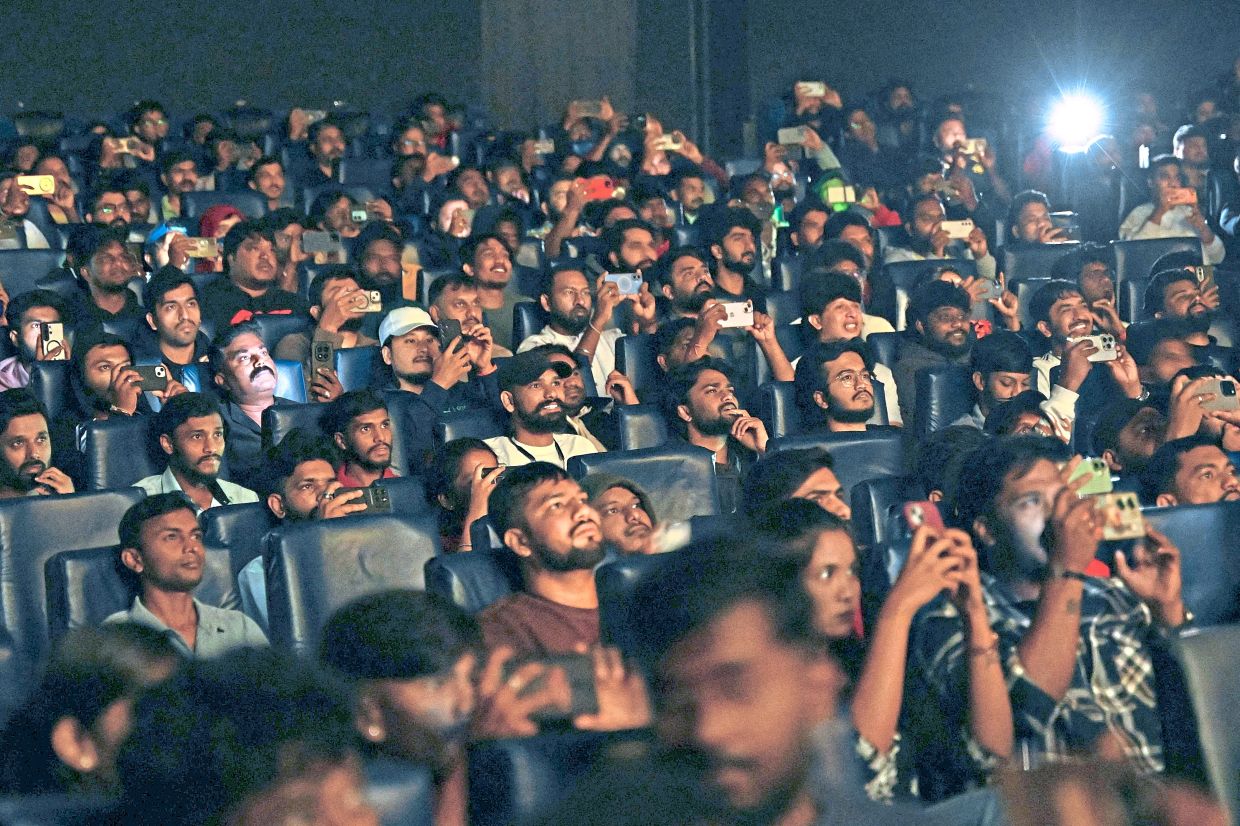
The old halls offered a collective, interactive experience, with fans applauding at the hero’s entrance, clapping to romantic songs and shouting at dramatic twists.
“Now that old ecosystem is fading, and the charm is being lost,” he said.
India’s single-screen cinemas have been steadily squeezed by multiplexes, streaming, rising property costs and the expense of maintaining ageing buildings and equipment.
Researchers estimate that India had around 14,000 single-screen halls in the 1980s. Only around 2,000 remain today. — AFP