TOKYO: Seibu Shibuya, located in Japan’s cultural epicenter of Tokyo’s Shibuya district, department store will close at the end of this month.
First opened in 1968, the store had been dedicated to discovering new designers and played a key role in sparking the so-called Designer’s and Character’s brand boom — popularly known as “DC brand” — a collective term for fashion brands that took the spotlight in the 1980s. Central in transforming Shibuya into a “city of fashion,” the store is bringing its 58-year history to a close.
“Whenever I went to Seibu Shibuya, I was always exposed to new perspectives and could get a feel for the latest fashion trends,” said a 52-year-old office worker in Tokyo.
In her 20s, the woman would visit the store at least two or three times a month. She said she found Seibu Shibuya more approachable than the department stores of the Ginza fashion district and that she could find items that suited her personal taste.
It was a store that gathered the latest fashions from international luxury brands to domestic designer labels in the same compact space, and where one could also encounter art and design, the woman recalled.
Seibu Shibuya opened amid Japan’s high-growth period. Located near Shibuya Station, it helped shape the area’s trends and fashion culture alongside surrounding buildings, including Shibuya Parco, a theater-annexed fashion building that belongs to a Saison group conglomerate.
Seibu Shibuya’s signature feature was Capsule, a small sales area dubbed the Avant-Garde Shop located on the mezzanine level of Building A.
Designed by interior designer Shiro Kuramata, the transparent, capsule-shaped shelves displayed clothing by young, then unknown designers such as Takeo Kikuchi and Kansai Yamamoto.
“For a designer, having your clothes displayed in Capsule felt special,” Kikuchi, 87, said. “You could sense the momentum of a new era being created right there in the store.”
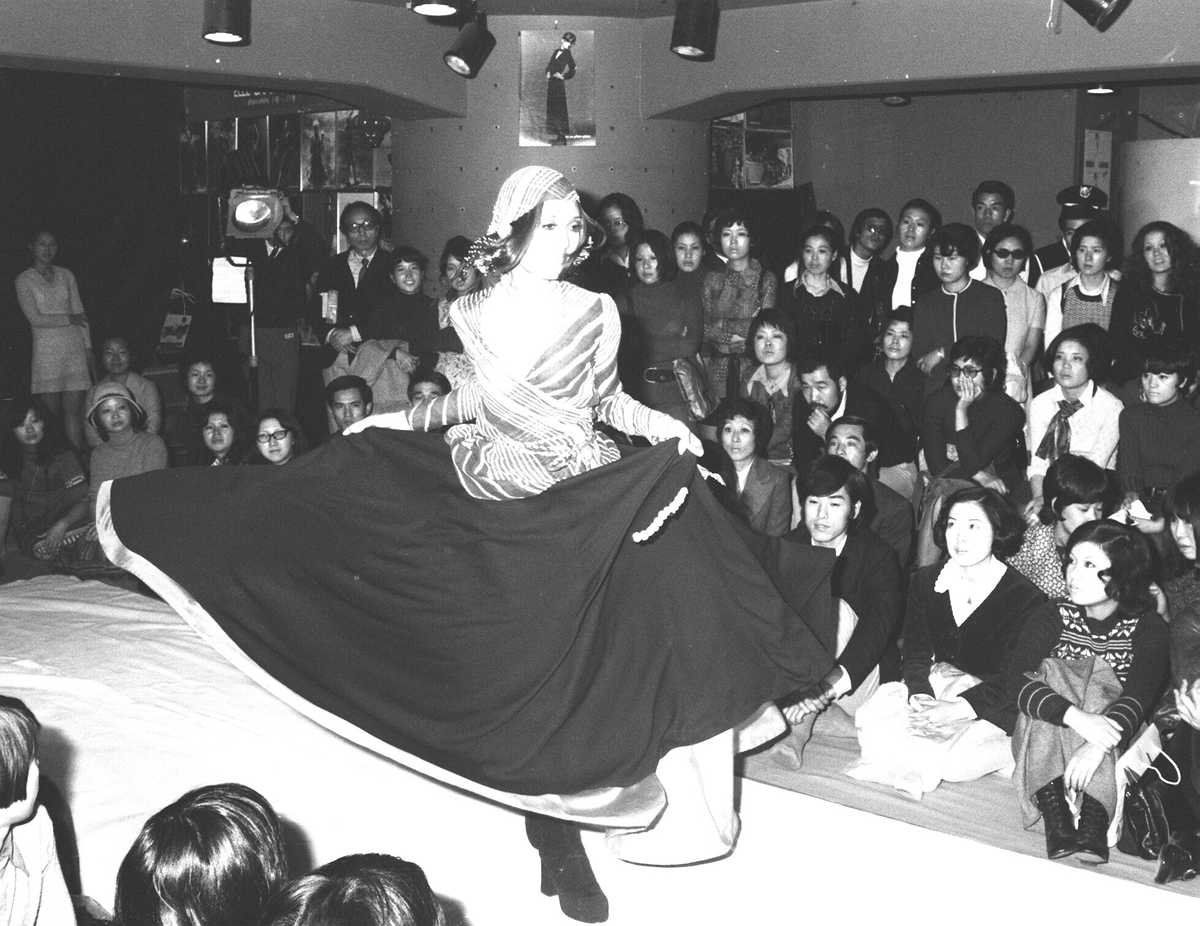
Fashion consultant Nobuyuki Ota moved to Tokyo in 1972 and frequented Capsule.
“Capsule was a pioneer of the select shop concept,” said Ota, 73. “Shibusei [nickname for Shibuya Seibu] nurtured young designers who lacked financial resources and propelled them into becoming widely beloved brands. It played a vital role in a pivotal era of Japanese fashion.”
Kenzo Takada and Issey Miyake, who went on to participate in Paris fashion weeks, held shows at Seibu Shibuya in the 1970s. The department store also showcased the work of Yohji Yamamoto, Rei Kawakubo and others. The designers discovered by the store became central figures in the subsequent DC brand boom.
“Rather than carrying items selling well at other department stores, we placed great importance on the discerning eye of our employees to stock unique items you couldn’t find anywhere else,” said Seiichi Mizuno, 80, who served as store manager in the 1980s.
“The store was recognised as ‘a place to find exactly what you want.’ I’m truly sad about the closure, knowing that the store was a leader in the fashion world.”
District of young fashion
According to Showa Women’s University Associate Prof. Takuya Kikuta, who studies contemporary fashion history, “Seibu Shibuya played a central role in establishing Shibuya’s image as the ‘district of youth fashion.’”
The store also focused on discovering young talent. With the opening of Shibuya Parco in 1973 and the lifestyle goods store Loft Shibuya store in 1987, Seibu Shibuya collaborated with surrounding facilities to propose new approaches to cultural and lifestyle, transforming Shibuya into a neighbourhood where people could linger and enjoy themselves.
“It demonstrated that a department store can shape a neighborhood and serve as a hub for disseminating fashion, lifestyle and culture,” Kikuta said.
Trends emerged one after another. In the late 1980s, young people embracing American-style casual fashion grew popular under “Shibukaji” — short for Shibuya casual — and in the 1990s, Kogyaru, sometimes known as “kogal” culture blossomed, defined by high school girls wearing loose-fitting white socks and short, pleated skirts. The so-called charismatic staff at the Shibuya 109 fashion complex rose up as household names in their own right.
Department stores have long played a role in discovering and promoting new values, driving consumers into the city in search of them. However, in recent years, the popularisation of online shopping and social media has enabled encountering new fashion without having to visit a city or a store.
“The store’s closure signifies the end of the era in which department stores shaped fashion and culture,” Kikuta said.
Seibu Shibuya’s three wings — Building A, which sells women’s apparel and cosmetics, Building B for menswear and the Parking Hall will cease operations on Wednesday. The Loft Building and Movida Hall, which houses Muji, will continue to operate. - The Yomiuri Shimbun