STRASBOURG, France (dpa): The European Commission is preparing to ban children under 13 from social media and impose new restrictions on gaming sites and AI chatbots to improve online safety for minors.
Children will have access to social media under parental supervision from age 13, but will only be able to create a personal account once they turn 15, under the proposal.
The plans also include new restrictions for providers of other online services that include social media features, like video sharing platforms, online video games, artificial intelligence (AI) companions and chatbots.
The safeguards "include a ban on addictive features and profiling-based recommender feeds dragging minors into 'rabbit holes' of harmful content."
This "also includes prohibiting infinite scroll without stopping points, reward tricks, and push notifications during sleeping hours, as well as unsolicited contact from strangers," a statement says.
AI chatbots designed to provide emotional support would also have to include safeguards to prevent children from developing an emotional dependency on the technology and to reduce the risk of harmful interactions with the chatbot.
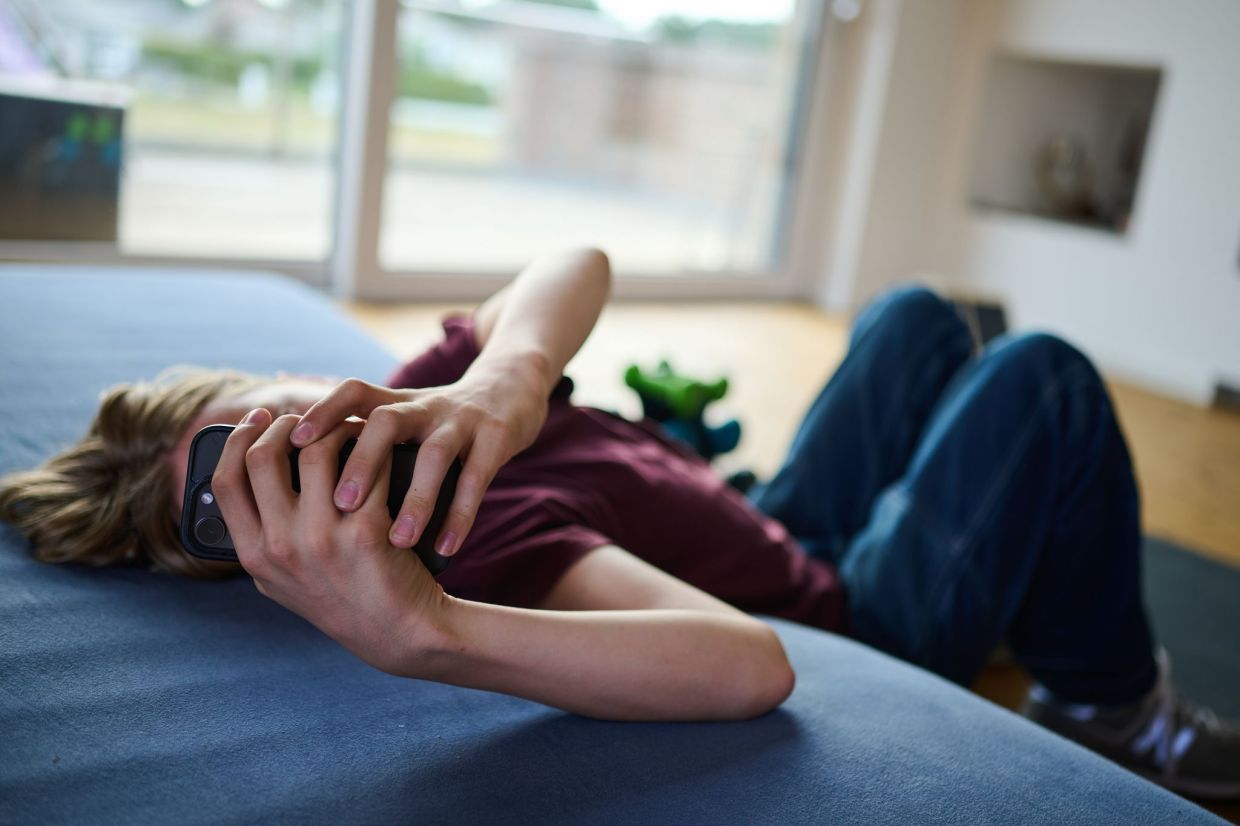
This comes after reports that in some cases AI applications failed to respond appropriately to users expressing suicidal thoughts.
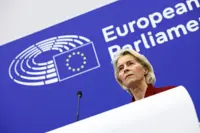
The technology "was not created with children's well-being and development in mind," says European Commission President Ursula von der Leyen.
"Platforms are designed to capture attention. Algorithms learn from our behaviour that they exploit to make us click, react, and keep scrolling. And too often these addictive features are a business plan," she says.
The proposal aims to oblige the platforms to show that they are made in a way so they are safe for minors.
"Profiles for minors must be private by default, with geolocation, camera and microphone access turned off," a statement says.
Next, the European Parliament and EU countries will scrutinize and amend the proposal.
It could take months or even years before an agreement on the final version of the law is reached.
EU countries can already impose restrictions on children's access to social media, but responsibility for ensuring compliance currently falls largely on parents. Requiring online giants to carry out age checks can only be imposed through EU legislation.
Von der Leyen, a former German family and social affairs minister, has long campaigned for a safer use of social media tools by children.
"Today there is a robust body of evidence on the harm that social media does (to) a developing brain and personality," she says.
"Too many children are being exposed too early to an online world they are not ready to navigate, an environment where bullying can follow you home, where every mistake can be recorded forever."
"We all know the consequences: sleep deprivation, depression, anxiety, self-harm, addictive behaviour, and tragically suicide. Parents cannot compete or keep up against algorithms, and they should not have to."
Berlin plans interim law
German Education Minister Karin Prien has also backed plans to restrict social media use among children and teenagers, calling for effective age checks alongside greater media literacy and better information for parents.
She also announced plans for a German interim solution while EU-wide rules are being developed.
"We will present key points for German transitional legislation in October," she says.
Among other measures, Germany's laws protecting minors are to be tightened and gaps in criminal law closed. The German government plans to work closely with the European Commission, she says. - dpa