



SINGAPORE: Vertiv, a global leader in critical digital infrastructure, has announced the expansion of its Vertiv PowerUPS 9000 uninterruptible power supply (UPS) family with the introduction of the new 1.8 megawatt model.
Designed to support large-scale data centers, high-density Artificial Intelligence (AI) environments, and other mission-critical applications, the new system extends the capabilities of the existing Vertiv PowerUPS 9000 platform to 250kw to 1250kw, delivering higher capacity power protection in a compact footprint. The expanded range is now available across South-East Asia, Australia and New Zealand.
The system incorporates advanced UPS control capabilities developed specifically to address the rapid power swings associated with AI workloads. Battery Shield technology helps reduce unnecessary battery cycling during sudden load transitions, while Input Power Smoothing helps support more predictable input power flow and reduce stress on upstream electrical infrastructure.
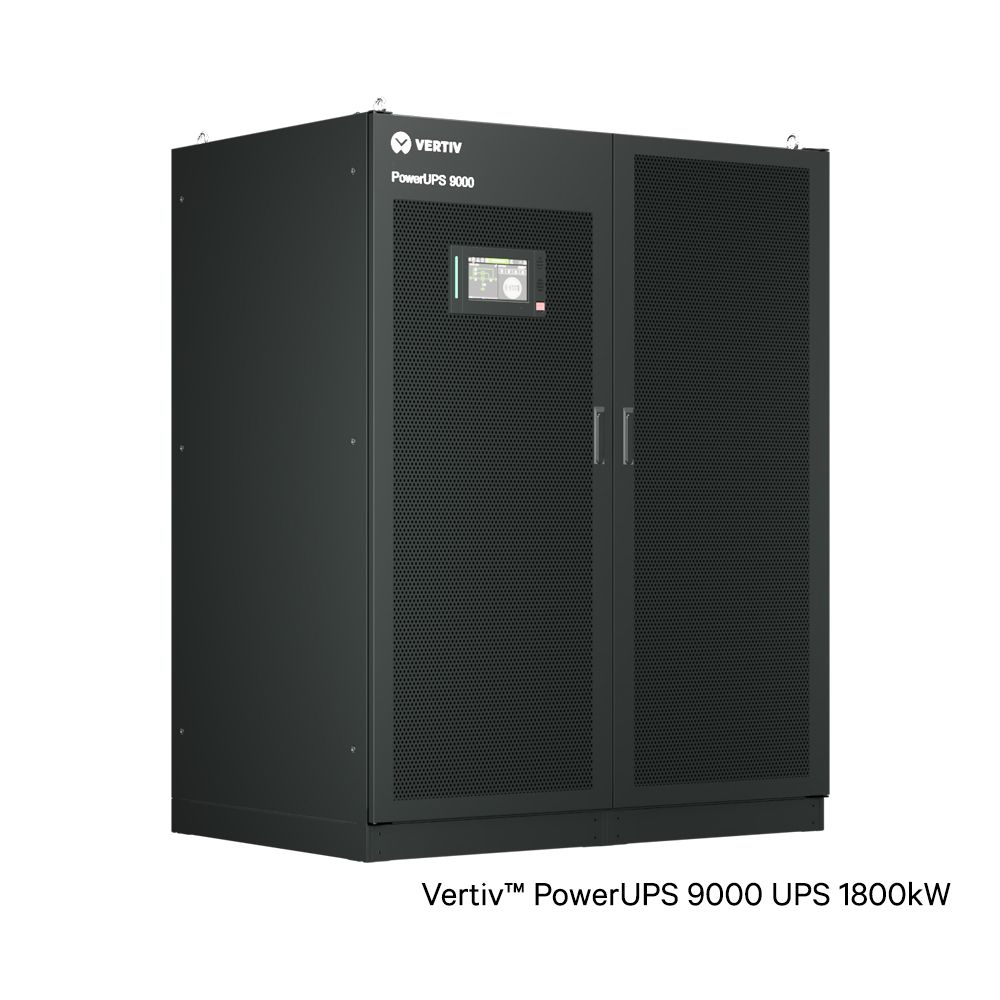
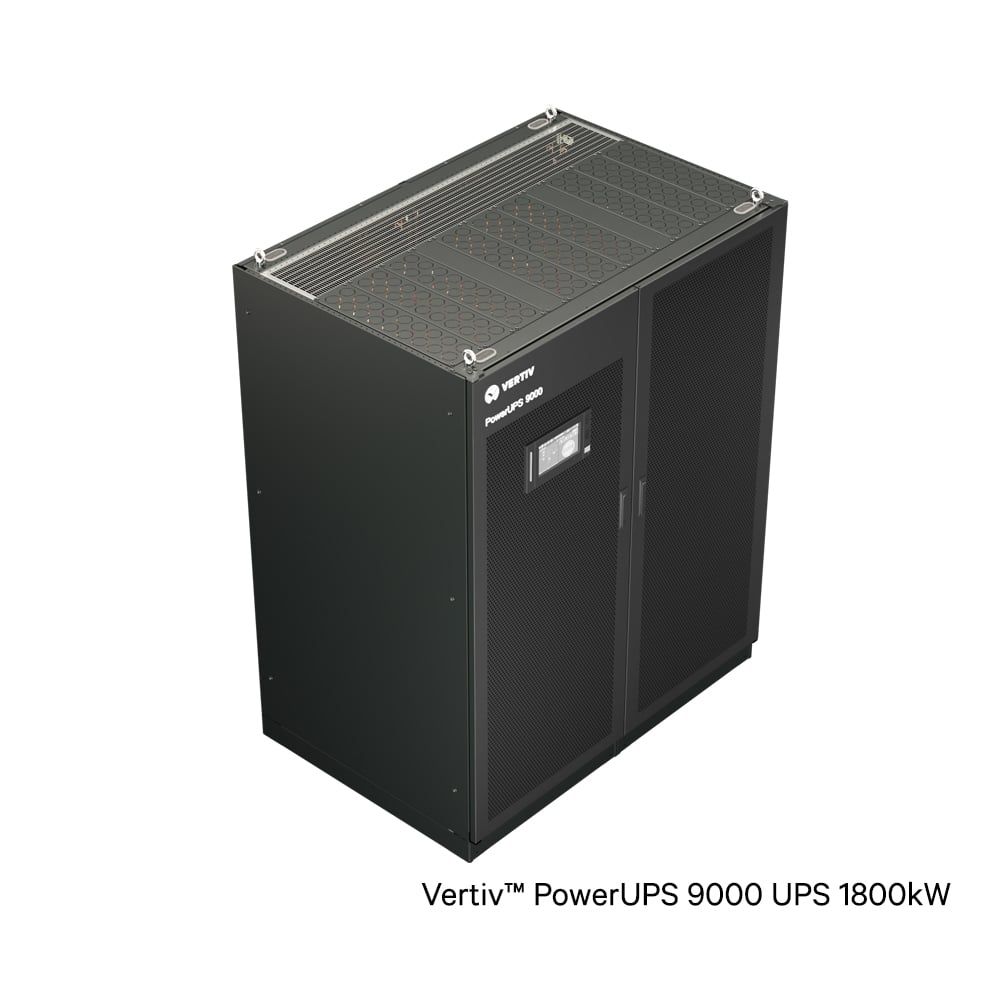
The Vertiv PowerUPS 9000 1.8MW builds on the platform’s high-power density architecture, engineered to help operators manage growing rack densities, constrained white space, and the increasingly dynamic load profiles associated with AI computing environments. The UPS is engineered with a focus on energy efficiency, serviceability, and deployment flexibility and is designed to integrate into broader Vertiv power and thermal infrastructure strategies for high-density AI and enterprise data center applications.
As AI workloads continue to reshape data center operations, power infrastructure is expected to need to adapt to significantly faster and more unpredictable load behavior. Graphics processing unit (GPU) clusters can transition from low utilization to peak demand within milliseconds, creating rapid power fluctuations that can impact batteries, switchgear, generators, transformers, and upstream utility infrastructure.
The new 1.8MW model is designed to help operators manage these conditions through high-efficiency power protection, scalable architecture, and advanced controls that support stable operation across highly dynamic local profiles.
“AI is fundamentally changing data center infrastructure requirements across Asia, driving demand for higher-density power systems that can respond faster and manage the effects of these dynamic AI workloads,” said Tony Gaunt, vice president for product management at Vertiv Asia.
“With the expansion of the Vertiv PowerUPS 9000 family, we are helping customers scale critical power infrastructure to maximum utilisation factors while supporting the resilience, flexibility, and operational continuity required for future-ready AI deployments.”
“Traditional UPS systems were not designed for the rapid and repetitive load transitions created by modern GPU environments,” said Arunangshu Chattopadhyay, director of AC power and power distribution at Vertiv Asia.
“The latest expansion in the Vertiv PowerUPS 9000 family incorporates Vertiv’s advanced control, patented technologies that help stabilize power behavior during extreme load fluctuations, while preserving battery health and reducing stress on upstream electrical infrastructure.”
In Singapore, Vertiv has also collaborated with STT Singapore on testing designed to reflect real-world AI infrastructure conditions, including rapid load transitions and the need for tighter coordination between UPS operation, energy storage systems, and upstream power infrastructure.
Additional information about the Vertiv PowerUPS 9000 family and Vertiv’s portfolio of data center power solutions is available at Vertiv.com.
For the record, Vertiv brings together hardware, software, analytics and ongoing services to enable its customers’ vital applications to run continuously, perform optimally and grow with their business needs.
Vertiv solves the most important challenges facing today’s data centers, communication networks and commercial and industrial facilities with a portfolio of power, cooling and IT infrastructure solutions and services that extends from the cloud to the edge of the network.
