TOKYO: (Bernama-Kyodo) Tokyo Electric Power Company Holdings Inc. on Monday (Aug 24) completed its third year of releasing treated radioactive water from the crippled Fukushima nuclear plant into the sea, with 172,700 tonnes released in 22 rounds so far, Kyodo News reported.
The amount stored in tanks has decreased 7.6 per cent to around 1.24 million tonnes, with 17 out of around 1,000 storage tanks dismantled after being emptied.
The operator aims to complete the discharge by 2051, in line with the decommissioning of the plant.
The International Atomic Energy Agency monitors the process along with the Japanese government and TEPCO, and no abnormal tritium levels have been detected in nearby waters or seafood.
Japan decided in April 2021 to release the processed water in order to dismantle storage tanks and make room for a facility to remove melted fuel debris. TEPCO began the discharge on Aug 24, 2023, despite opposition from fisheries operators.
Following the 2011 nuclear crisis triggered by a massive earthquake and tsunami, around 60 tonnes of radioactive wastewater are produced each day at the plant after cooling melted reactor fuel.
After purification using an advanced liquid processing system, the processed water is diluted with seawater to less than one-40th of the concentration permitted under Japanese safety standards before being released from a point one kilometre offshore.
The treated water is transferred from storage tanks to tanks used to measure and confirm concentrations, then released in batches of about 7,800 tonnes
Four releases were carried out in fiscal 2023, and seven each in fiscal 2024 and 2025. After changing operations to allow nonstop transfers between tanks for release, TEPCO plans to carry out eight releases in fiscal 2026, four of which have already been completed.
China, once the largest export destination for Japanese seafood, placed a blanket ban on imports the day the releases began.
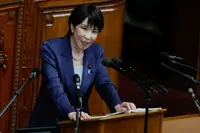
While the Chinese government said in June last year that it would lift the ban except for 10 prefectures including Fukushima, it has effectively continued to halt imports amid an ongoing diplomatic spat over Prime Minister Sanae Takaichi's remarks in November last year suggesting Japan could get involved if a crisis erupts over Taiwan.
Import restrictions also remain in place in Russia and in some other countries and territories.
TEPCO has been compensating businesses for operating losses caused by the releases, with around 1,100 cases in total amounting to around 92.8 billion yen (US$585 million) as of Aug 5.
According to the company, many claims involve losses from being unable to export scallops and sea cucumbers to China and Hong Kong.
"We have been able to conduct releases safely. We will work on providing accurate information and appropriate compensation," Akira Ono, chief decommissioning officer at TEPCO, said at a press conference last month. - Bernama-Kyodo Holdings, treatment, radioactive water