BANGKOK: Thailand’s fresh durian exports to China set a new milestone in the first half of 2026, with value exceeding THB100 billion and volume of more than 870,000 tonnes.
The result was attributed to the establishment of a quality management system across the supply chain, alongside strict enforcement of the “Four Nos” measures to prevent immature durian and contaminants.
The measures helped reinforce confidence among trading partners and speed up transport, supporting steady growth in Thailand’s agricultural sector as the country pursues a full-year export target of THB150 billion.
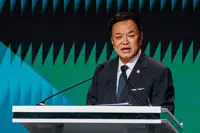
Suriya Jungrungreangkit, Minister of Agriculture and Cooperatives, said that during his first 90 days in office, he had accelerated an overhaul of the Thai durian export management system towards systematic whole-chain quality management.
The effort reduced inspection procedures and increased the time available for government trade facilitation, making Thai durian exports in the first half of 2026 smoother, with volumes rising noticeably.
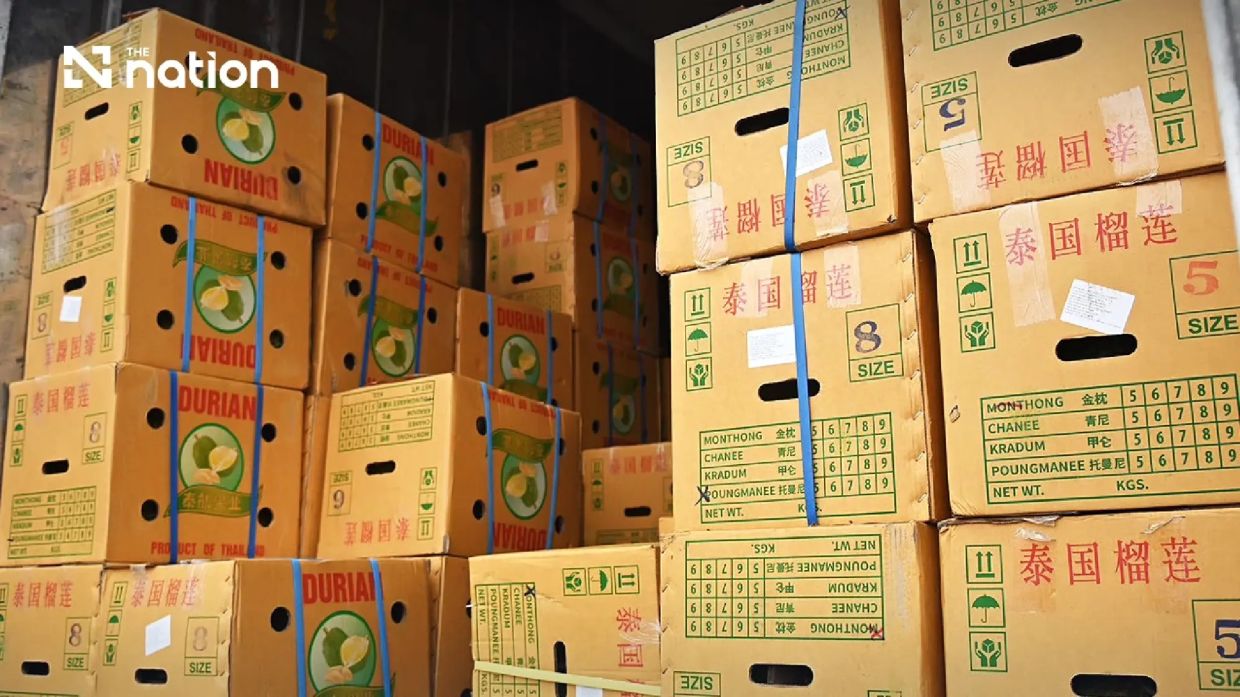
Thailand had exported 53,665 containers of fresh durian to the People’s Republic of China as of Tuesday (June 30, 2026), with a volume of 872,237.24 tonnes and a value of THB100.07992 billion.
It was the first time the value of first-half durian exports had exceeded THB100 billion.
"The result shows that upgrading quality standards, risk management and government trade facilitation can restore confidence in the Chinese market and maintain the continuity of Thai durian exports.
"The export value is expected to reach THB150 billion this year."
The Ministry of Agriculture and Cooperatives has shifted its approach from solving problems case by case to building a system-wide framework to supervise quality, production standards and export standards.
It assigned the Department of Agriculture as the main agency to design and drive proactive measures, integrating work with the National Bureau of Agricultural Commodity and Food Standards (ACFS), the Department of Agricultural Extension, the Customs Department, producing provinces, laboratories, operators, farmers and regulatory agencies of the People’s Republic of China.
The aim is to raise the quality and standards of Thai agricultural products more effectively by reducing official inspection procedures and increasing the time available for trade facilitation.
Under the operation, key measures were upgraded.
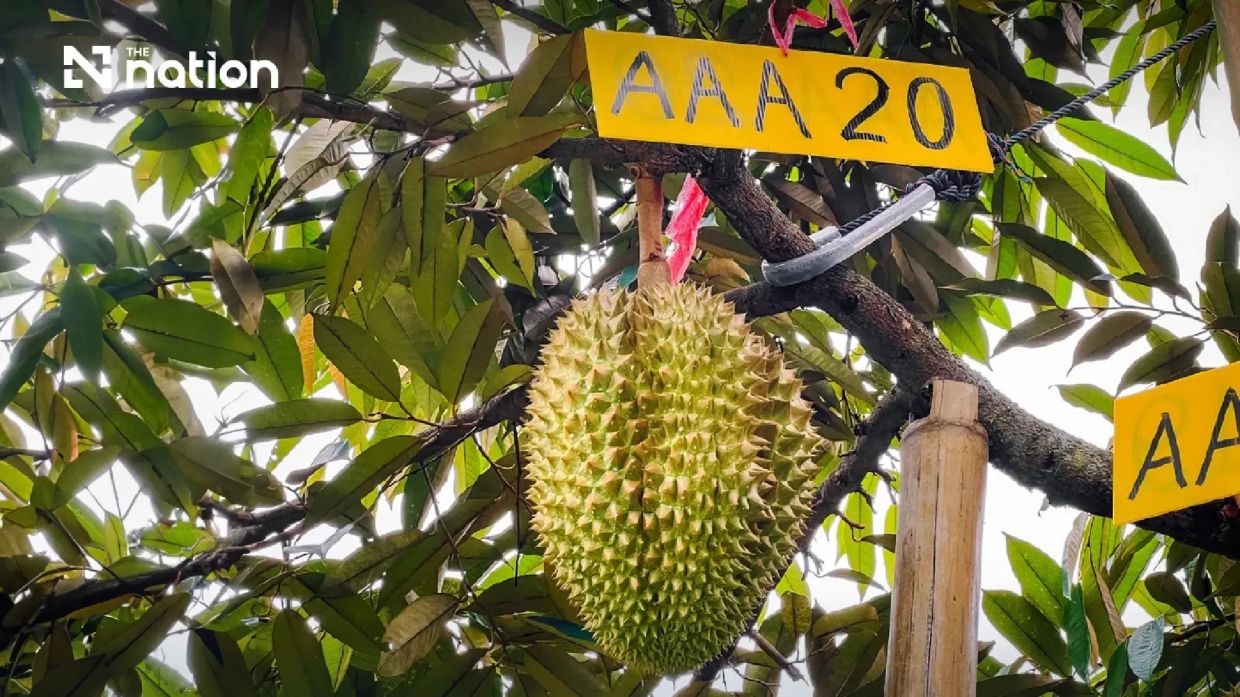
These included the “Four Nos”: no immature durian, no worms, no false origin claims and no Basic Yellow 2 (BY2), as well as the four-layer PLUS screening measure to prevent plant pests, science-based risk management, traceability throughout the supply chain and linkage of the electronic phytosanitary certificate (e-Phyto) system.
These helped make supervision more precise and transparent, while enabling faster responses to trading partners’ requirements.
The measures were intended to address trading partners’ sanitary and phytosanitary (SPS) challenges, especially the detection of Basic Yellow 2 (BY2), cadmium contamination, immature durian, seed borer, false use of production-origin rights and limits on inspection and release of goods, all of which affected confidence in the Chinese market and Thailand’s competitiveness.
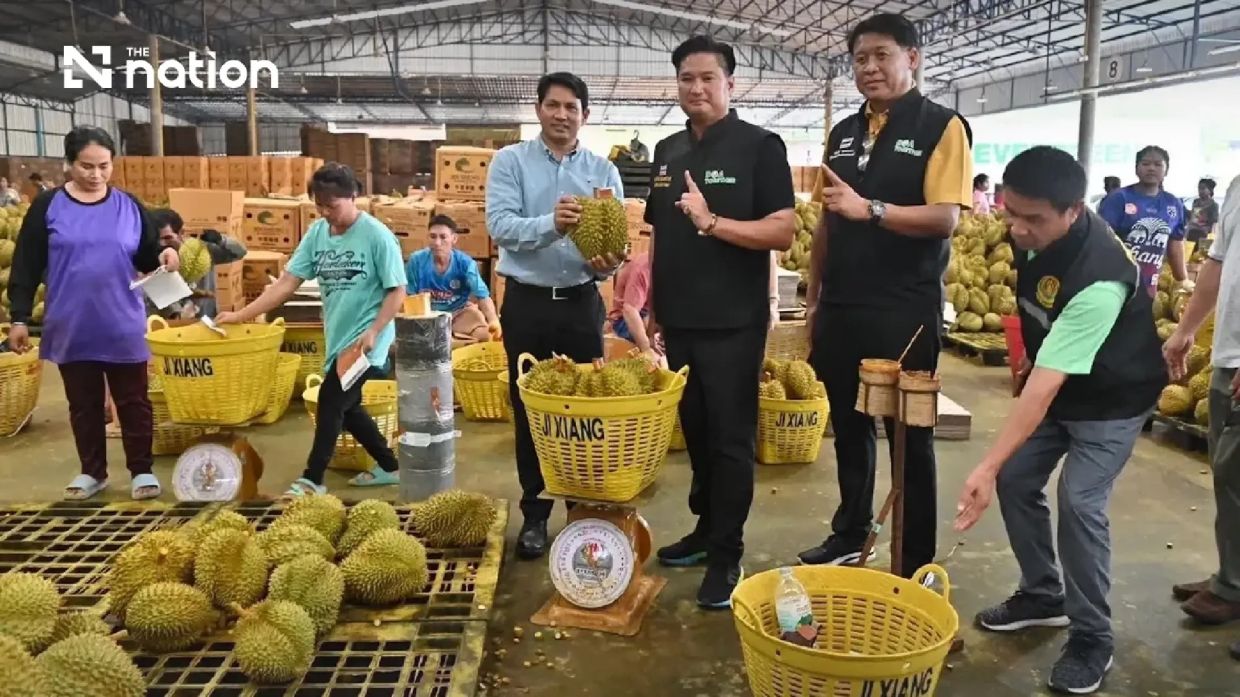
Suriya said: “This year’s durian export success is not measured only by export value, but is the result of laying the foundations for a Thai agricultural export management system that has quality, standards, transparency, traceability and international acceptance.
"When the system is strong, farmers have stable incomes, operators can compete, and Thailand can sustainably maintain its leadership in the export of quality fruit to the world. It is also an important model for upgrading the management of other agricultural export products in the future.”
Rapibhat Chandarasrivongs, Director-General of the Department of Agriculture, said the upgrading of quality and standards for Thai durian exports this year reflected a shift in the department’s role towards becoming a Smart Regulator, using science, technology and risk management as tools to oversee export standards across the system.
It links information from production sources, packing houses and testing laboratories to the issuing of electronic phytosanitary certificates (e-Phyto), making supervision more efficient, reducing the burden on operators and farmers, and building sustainable confidence among trading partners in line with the policy of Suriya Jungrungreangkit, Minister of Agriculture and Cooperatives. - The Nation/ANN