LONDON (Bernama-Anadolu): The world’s richest 1 per cent have already exhausted their entire carbon budget for 2026 just 10 days into the year, according to a new analysis by Oxfam, Anadolu Ajansi (AA) reported.
The British-based charity said the amount of carbon dioxide emitted by this group in that short period equals their total annual allowance if global warming is to be kept within 1.5°C.
The richest 0.1 per cent reached their limit even sooner, by Jan. 3.
Oxfam has labelled the milestone Pollutocrat Day, arguing that it illustrates how the super-rich are disproportionately responsible for the climate crisis.
The group estimates that the annual emissions of the richest 1 per cent alone will lead to around 1.3 million heat-related deaths by the end of the century.
It also said decades of excessive emissions by wealthy individuals have caused major economic damage to low- and lower-middle-income countries, potentially reaching US$44 trillion by 2050.
To remain within the 1.5°C target, Oxfam said the richest 1 per cent would need to cut their emissions by 97 per cent by 2030.
Meanwhile, communities that have contributed the least to climate change, including poorer countries, Indigenous groups, women and girls, are expected to suffer the worst impacts.
"Time and time again, the research shows that governments have a very clear and simple route to drastically slash carbon emissions and tackle inequality: by targeting the richest polluters,” said Nafkote Dabi, Oxfam’s climate policy lead.
The charity also highlighted the role of investments, saying each billionaire holds, on average, stakes in companies producing 1.9 million tonnes of CO2 a year.
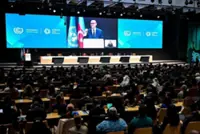
It pointed to the influence of fossil fuel companies at climate talks, noting that 1,600 lobbyists attended the recent UN climate change summit (COP) in Brazil.
"The immense power and wealth of super-rich individuals and corporations have also allowed them to wield unjust influence over policymaking and water down climate negotiations,” Dabi added.
Oxfam is calling for higher taxes on the super-rich, excess profit taxes on fossil fuel firms, and bans or heavy taxes on carbon-intensive luxury items such as private jets and super-yachts. -- Bernama-Anadolu