
The house that property consultant and ghost investigator Kazutoshi Kodama regularly surveys has a grim history: seven years ago, an elderly woman hanged herself in the bathroom and last year, her son died alone, his body undiscovered for roughly 10 days.
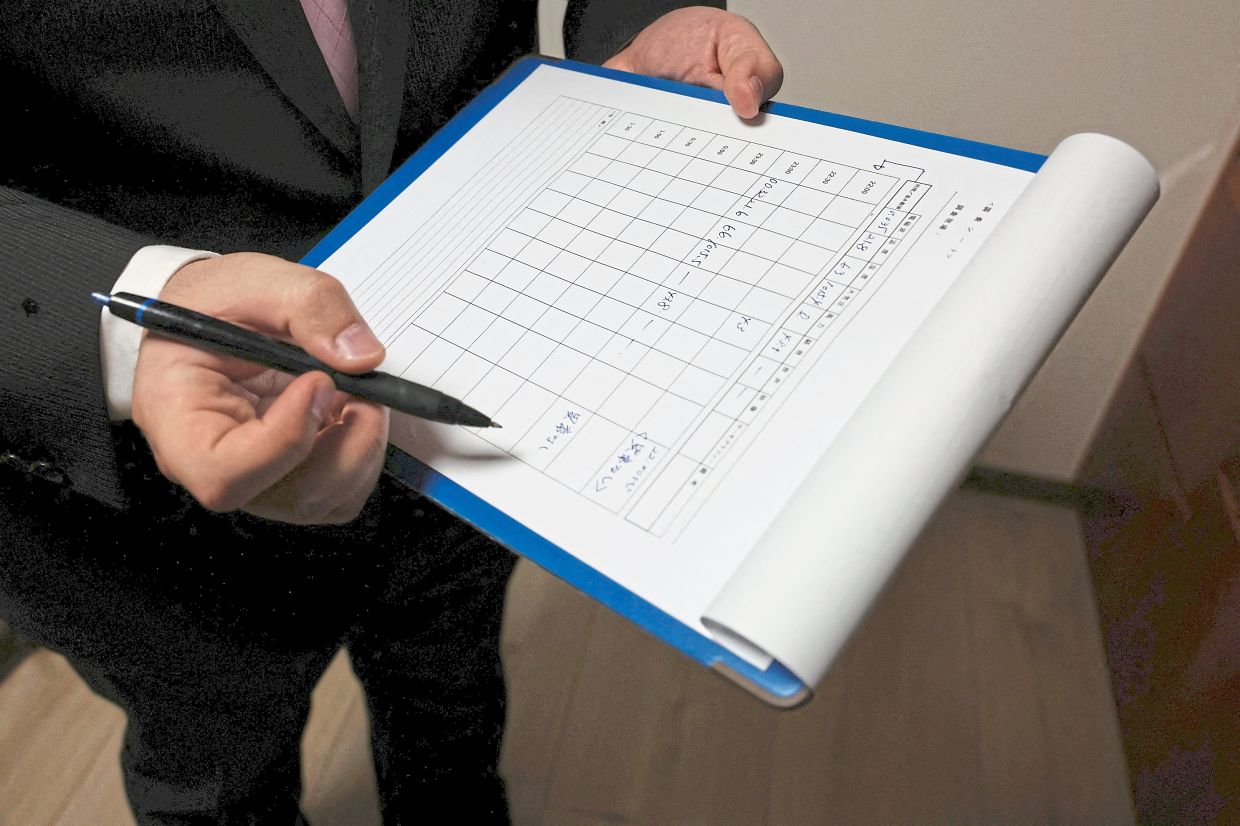
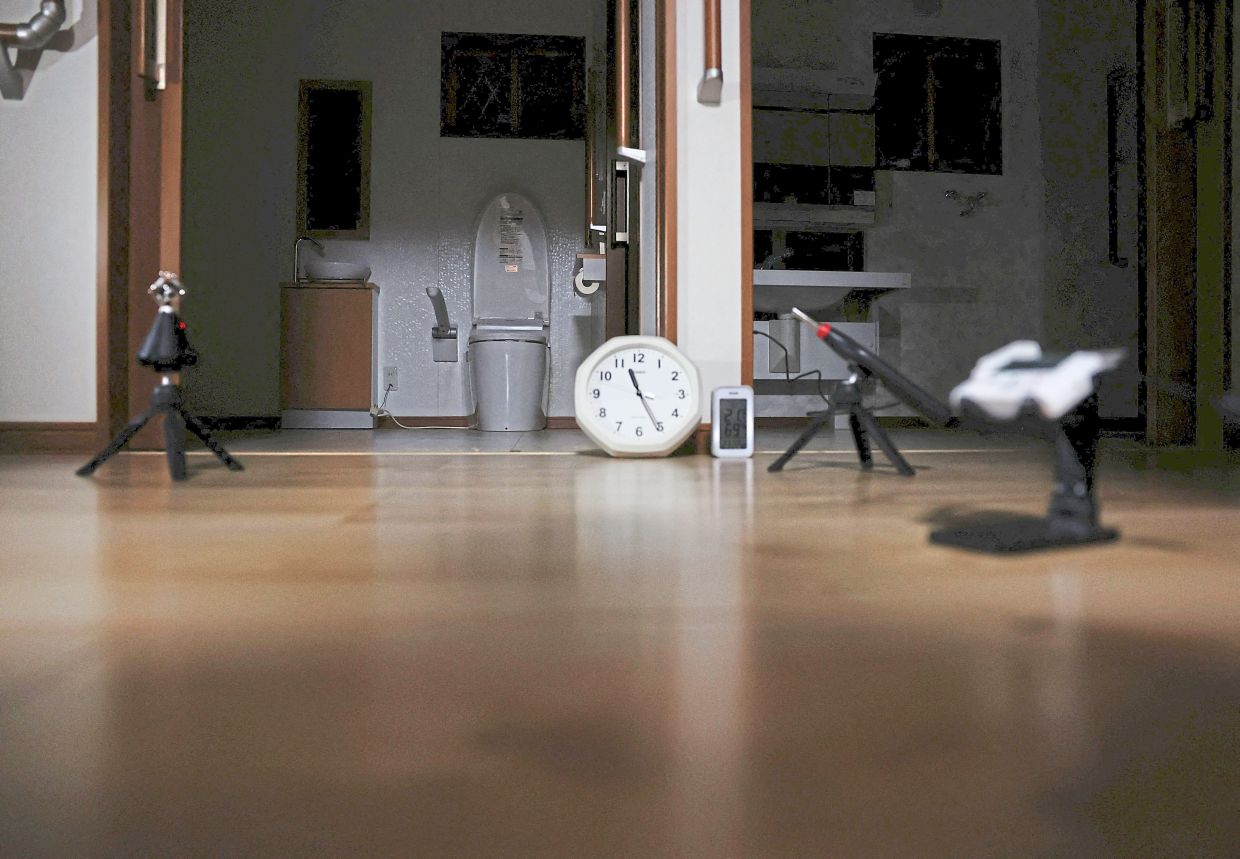
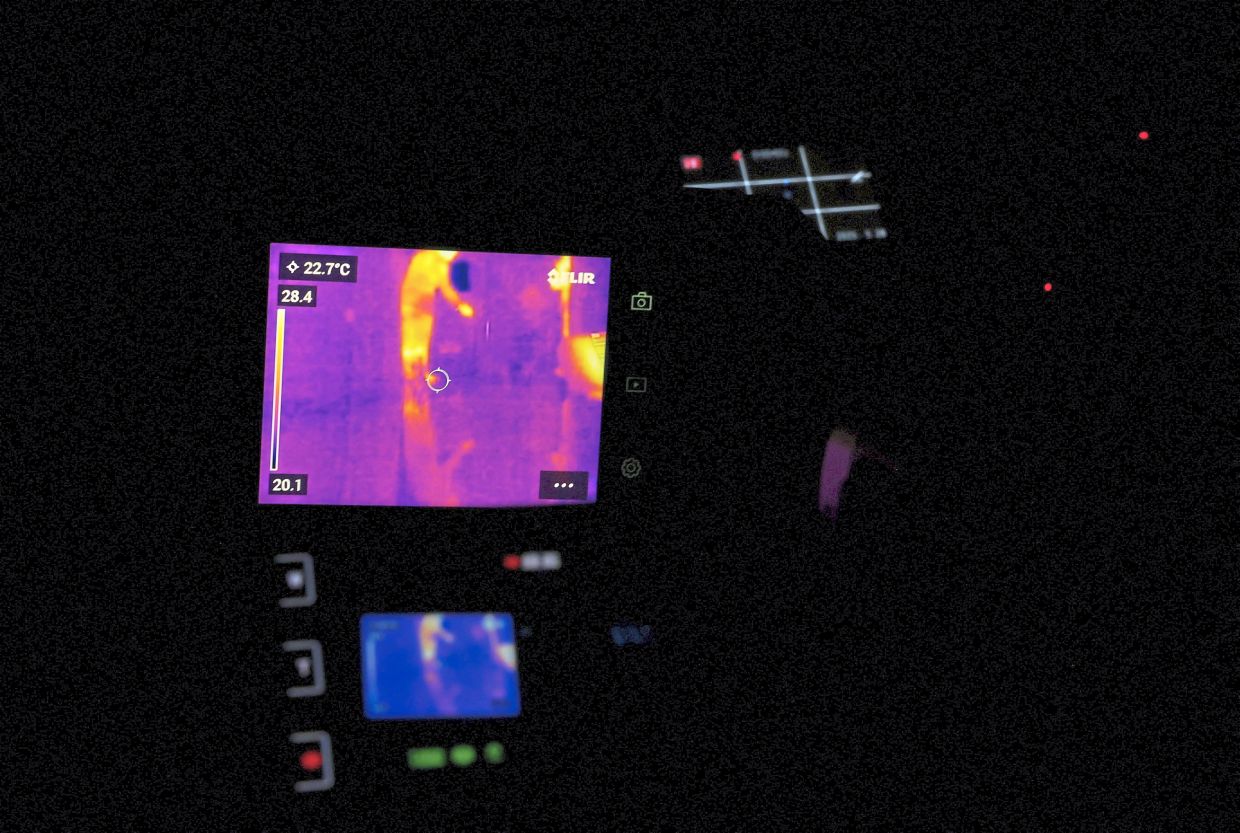
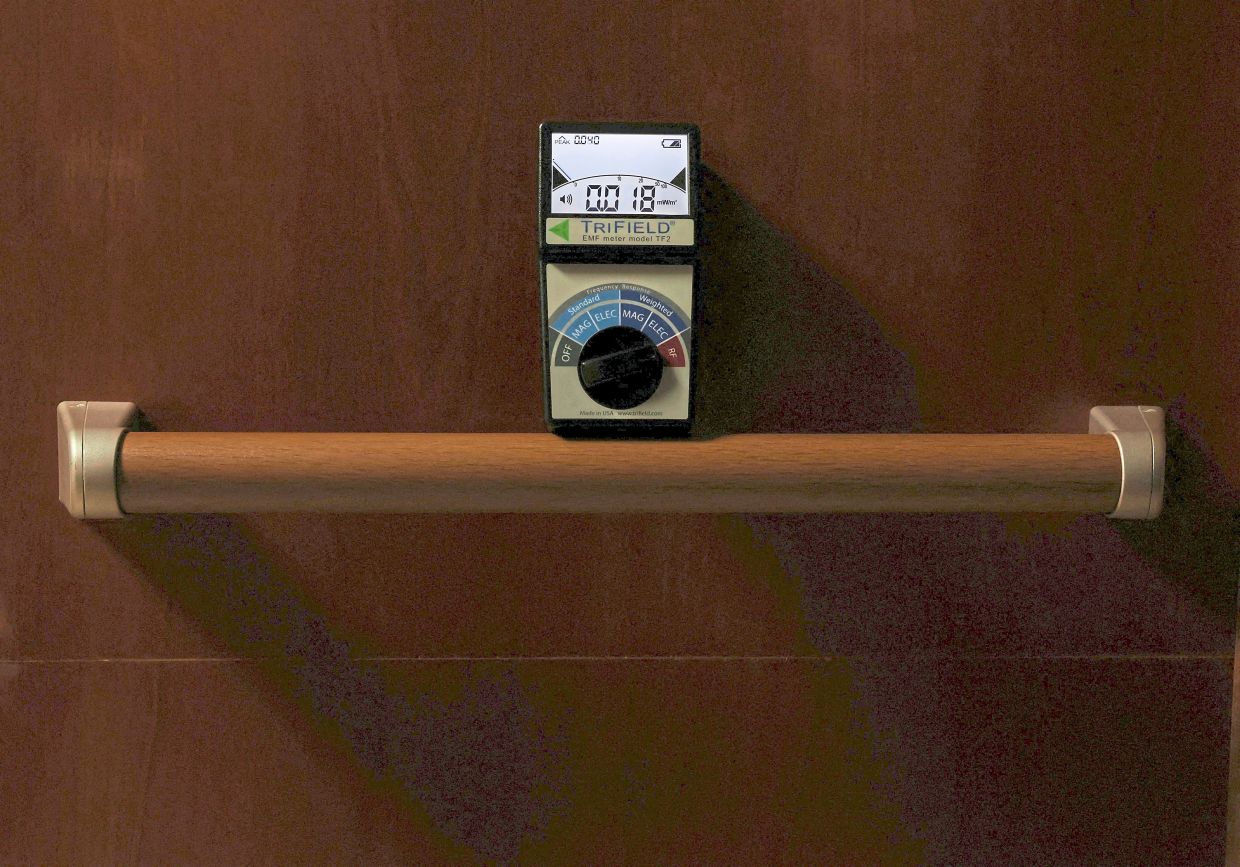
Kodama says he has stayed in the house – located in a quiet residential area in Chiba near Tokyo – from 10pm to 6am nearly 20 times, monitoring with four video cameras, a thermal camera, an electromagnetic field meter, an air pressure gauge, a thermometer and an IC recorder. He takes notes of the readings every hour.
When he is satisfied there are no paranormal phenomena such as unexplained electromagnetic disturbances, he will issue a certificate deeming the property free of ghosts.
In Japan, homes where murders or suicides have occurred are classified as “jiko bukken” or “misfortunate properties” that may provoke psychological distress for new owners or tenants.
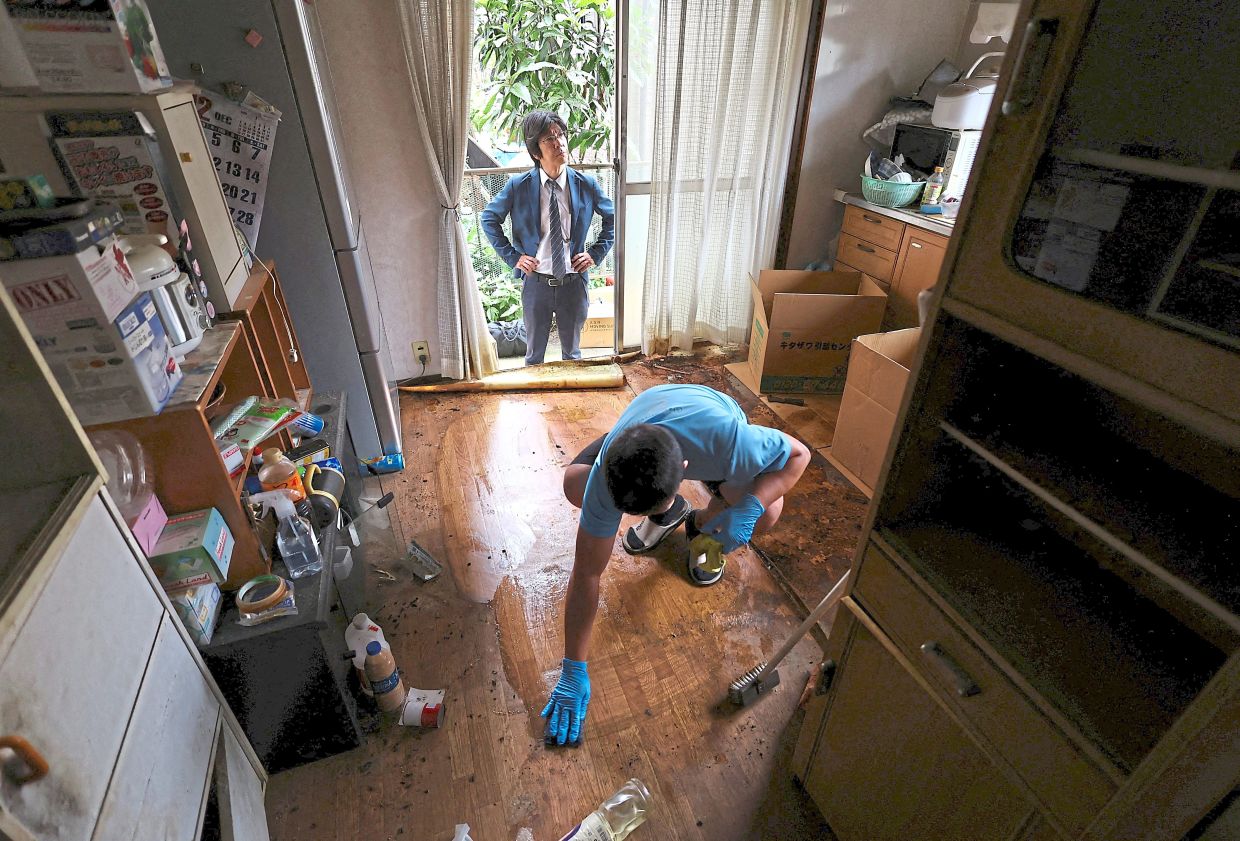
So are homes with “socially isolated” deaths – the most common type of misfortunate property where bodies are not found for some time and sufficient decay has set in to warrant special cleaning services or even the replacement of floors and wallpaper.
Modern thinking around misfortunate properties has been shaped by Japan’s ancient Shinto religion which holds that when a person dies with regrets, their spirit lingers on earth, often at the site of their death, bearing grudges or overwhelmed by grief.
“Finding renters used to be virtually impossible,” said Kodama, who founded his company, Kachimode, three years ago to offer what he calls ghost investigation services for prospective buyers and tenants.
“But with rising real estate prices, people have begun considering misfortunate properties as an option.”
Japan’s property prices have rocketed on a surge in construction material and labour costs as well as an influx of overseas investors, attracted by a weak yen and the relative cheapness of local real estate.
The average price for a second- hand 70sq m condominium in Tokyo’s 23 wards, for example, jumped by more than a third in May from a year earlier to ¥100.9mil (RM2.95mil), according to real estate research firm Tokyo Kantei.
Japan’s rapidly ageing population has led to more socially isolated deaths. The national policy agency’s first-ever report on the issue said there were nearly 21,900 cases last year where the death was not discovered for eight or more days.
The trend is such that the elderly can find it difficult to rent as owners worry their properties may one day become stigmatised.
Partly to mitigate this problem, the central government in 2021 issued guidelines recommending that three years after such a death, homes can shed their misfortunate property labels, potentially making it easier to find tenants.
But owners and agents still need to make disclosures about the property’s history to all prospective buyers and renters if they inquire.
The guidelines have spurred interest in misfortunate properties.
Although Kodama may be unique in offering ghost investigative services, other real estate brokers are also seeking to capitalise on this emerging market.
They say that some younger people have become more open to living in misfortunate properties while both domestic and overseas investors – among them many Chinese – are attracted by potential high yields.
“Investors don’t care (about the property’s history) because they won’t live there,” said Akira Ookuma, founder of broker Happy Planning, adding that some hike rents after three years.
Brokers also note that whereas the site of a murder may have to be sold for 80% below regular market prices or even fail to sell at all, for other misfortunate properties, the discount can be a relatively small 20%.
MarksLife, which offers services for misfortunate properties such as ceremonies for lost souls performed by a Buddhist monk, says the properties it handles have an average investment return of 8.4%.
By contrast, a studio apartment in central Tokyo has an expected average return of 3.55%, according to a CBRE survey.
Japan’s misfortunate properties are only going to rise in number, real estate brokers say.
People aged 65 or above living alone currently account for 14% of all Japanese households but in 20 years’ time, they will form a fifth, the National Institute of Population and Social Security Research estimates.
Kodama has yet to sign off on the Chiba property – one he now rents with plans to sublet – as ghost-free. But he says he’s done more than 70 investigations and only a fraction have revealed phenomena such as electromagnetic disturbances.
For some prospective buyers, his certificate might be enough. For others, though, any misfortunate property is going to be a bridge too far.
“Even with discounts, I’m going to stay away. It’s not just the potential for ghosts; I’m just creeped out by the unusual and unfortunate histories,” said Mari Shimamura, a 24-year-old office worker. — Reuters