BANGKOK: Shaken hours earlier by a massive earthquake, Phatsakon Kaewkla's terror was magnified when he came home to find gaping cracks in the walls of his 22nd-floor Bangkok apartment.
Feeling unsafe in the building damaged by the biggest tremors to hit the capital in generations, the 23-year-old Thai decided to stay away for two days until experts gave the high-rise the all-clear.
The sales coordinator is now one of many Bangkok residents wondering if they should seek safer housing in a city where hundreds of residential buildings were damaged by the 7.7-magnitude quake that struck neighbouring Myanmar on March 28.
The owners of Phatsakon's condominium assured him that engineers had checked every part of the building and concluded it was habitable.
But he is still spooked about the cracks.
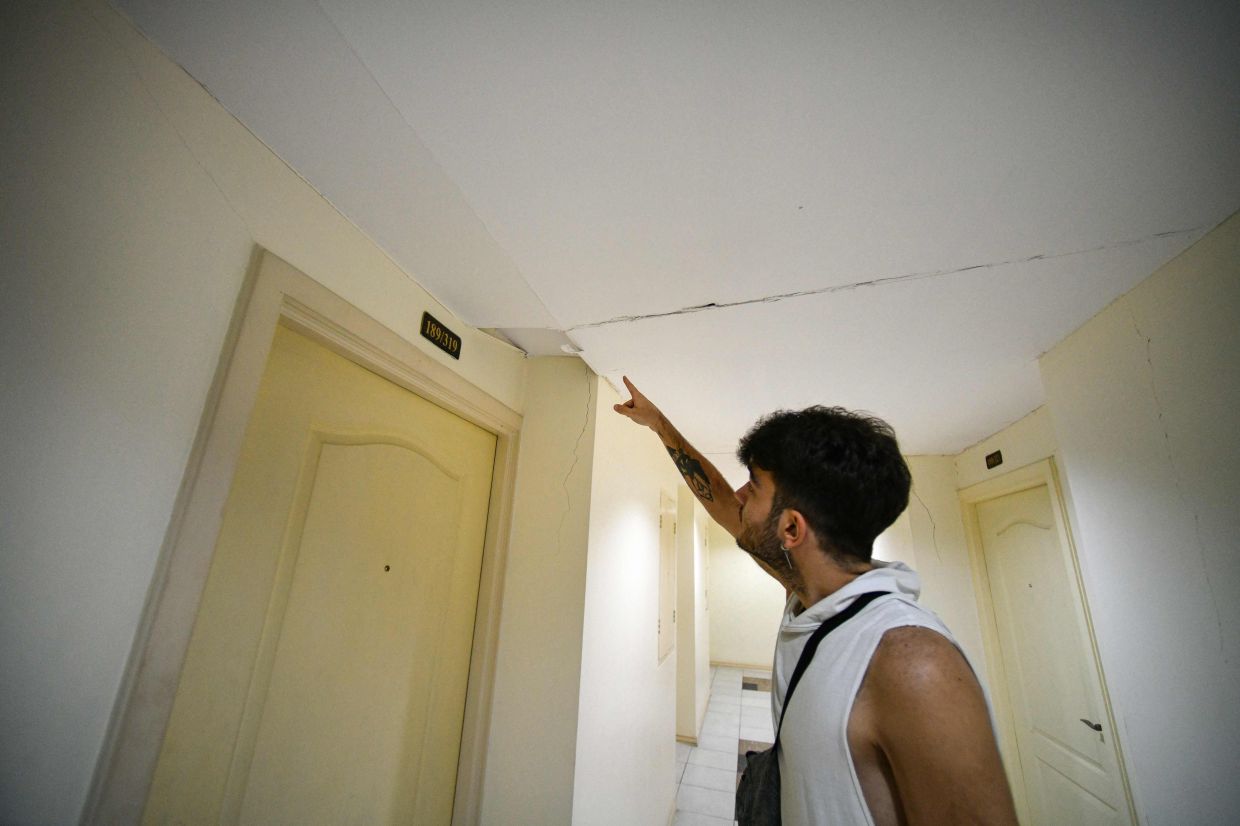
"I feel a little bit scared. And also my mum told me to move out from here," he said.
Over 1,000km (620 miles) away from the epicentre, the Thai capital -- its skyline dotted with hundreds of towers and glinting high-rises -- virtually never experiences such tremors.
Bangkok-based real estate consultant Owen Zhu, 40, told AFP that the impact on his sector had been "significant".
"People seem to have realised that living in high-rise buildings might carry greater risks when it comes to earthquake resistance compared to two-storey or low-rise structures," the Chinese property expert said.
The earthquake prompted a flurry of enquiries from residents looking to relocate in the past week, he says, due to widespread "fear and anxiety" of living far above ground.
Yigit Buyukergun from Turkiye was at home in Bangkok with his wife when the quake struck. After it subsided, they emerged from under a table to inspect the damage on their 22nd-floor flat.
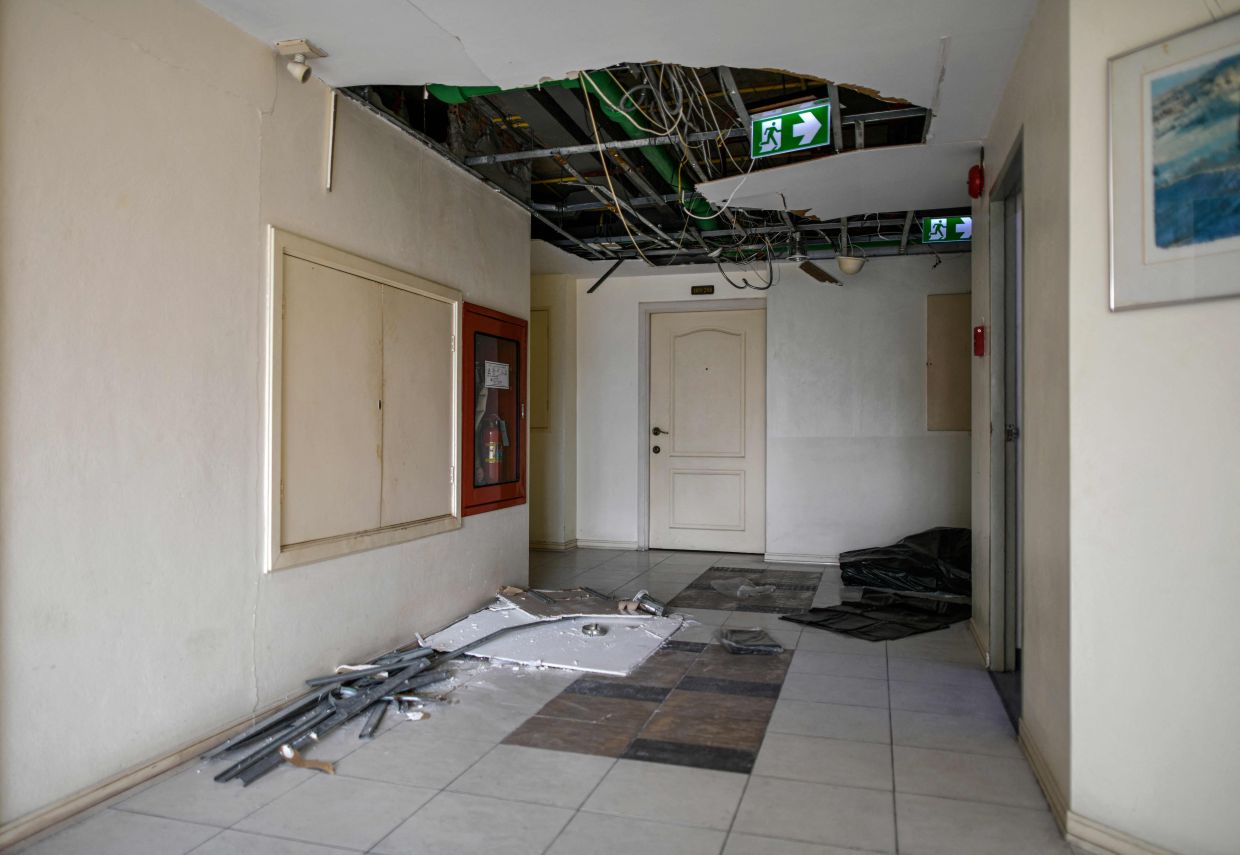
"Everywhere is cracked, especially in the corridor. You can see all the roof is really in bad condition," the 25-year-old said.
Despite Buyukergun's safety concerns, the owners of the block seemed unfazed.
They say it is "100 per cent safe, but I don't believe it," he said.
A large number of studio apartments in Bangkok's sprawling residential projects are rented out on annual leases requiring a two-month deposit.
Most condos do not permit short-term rentals for security reasons, and only hotels may lease for under 30 days.
Zhu says tenants and property owners often disagree over the habitability of quake-damaged apartments, with disputes becoming more common.
There is "a gap in perception and judgement between the two parties," he said.
"The landlord sees the unit as safe, while the tenant feels it's unsafe and insists on moving out and getting their deposit back".
Earthquake safety standards for buildings in Thailand were "not particularly strict" before the disaster and not something property-seeking clients specifically asked about, Zhu said.
Heightening anxiety since the quake was the shocking total collapse of a 30-storey construction in Bangkok that trapped dozens of workers, most of whom remain unaccounted for over a week later.
City authorities are now investigating whether substandard building materials had been used in its construction.
Zhu says more of his clients are now opting for low-rises.
For house hunters still considering high-rises, they often require that the property sustained "minimal or no damage during the recent earthquake, or at least was not severely affected".
He believes property prices will grow in the long-term as demand for safer buildings drives the adoption of costly seismic resistance measures, adding that "the bar for Thailand's real estate sector has been raised".
But for Buyukergun, talk of improving building regulations is not enough to calm his fears about the uncontrollable factors of geology.
While the prevalence of earthquakes in his home country of Turkiye made him feel uneasy, he had not expected to feel the same way about Thailand.
"Thailand is safe," he recalled thinking before.
"That's why I couldn't believe (the) earthquake (happened)." - AFP