
HONG KONG (AP): As Hong Kong prepares to welcome the Year of the Snake on Wednesday, Chau Ka-ling displays a moving serpent with practiced ease, holding it like a pet in her decades-old restaurant in the city.
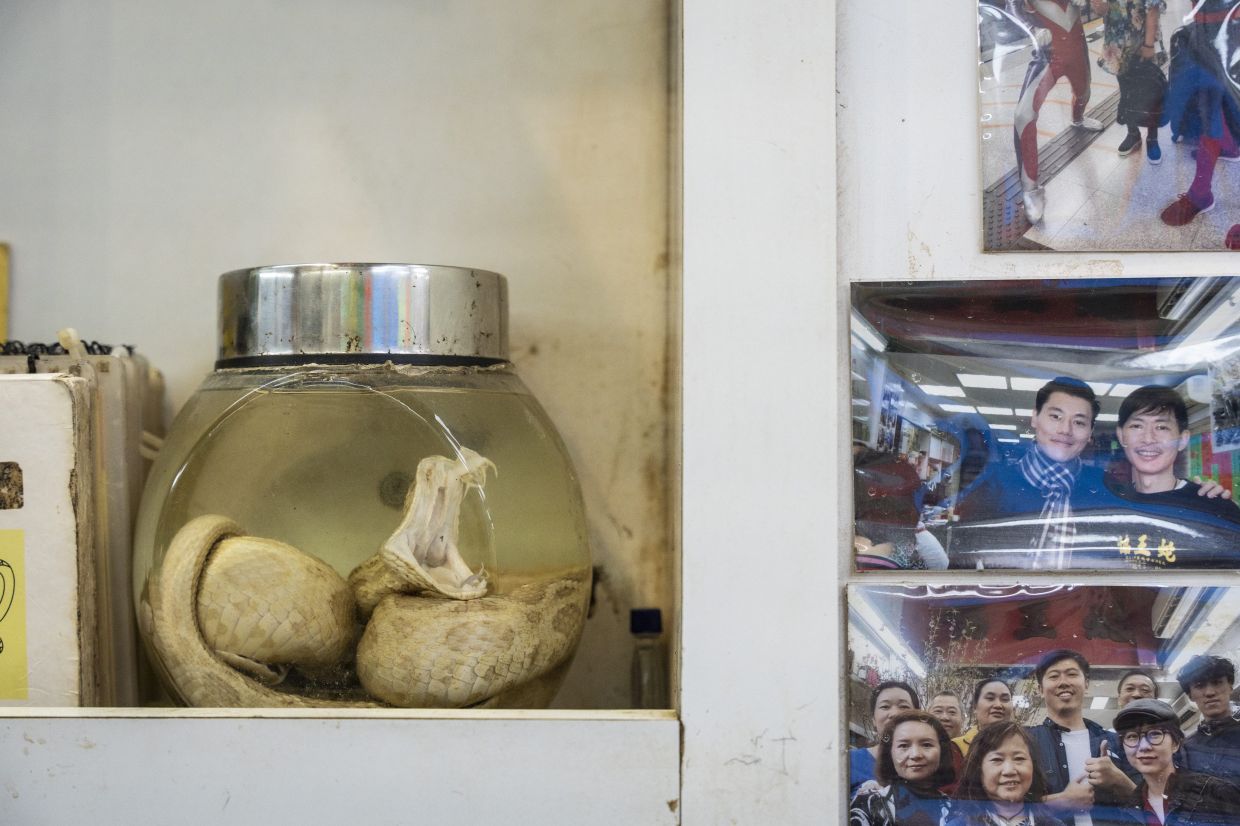
As one of the last keepers of the city’s traditional snake soup industry, Chau saves three live snakes for occasional display in wooden drawers that once housed more serpents for cooking. The cuisine she makes, long cherished in southern Chinese culture for keeping people warm in the winter, is slithering away.
Founded by Chau’s late father in the 1960s, Shia Wong Hip once slaughtered live snakes for its dishes. "Shia Wong” means "Snake King” in Cantonese.
Under her father’s guidance, Chau learned to catch and kill serpents and make soup, eventually becoming known as the city’s "Snake Queen.” A newspaper photo displayed on the wall captured her success in catching an over 2-meter-long venomous king cobra in 1997 at a marine police office in rural Hong Kong at the authorities’ request.
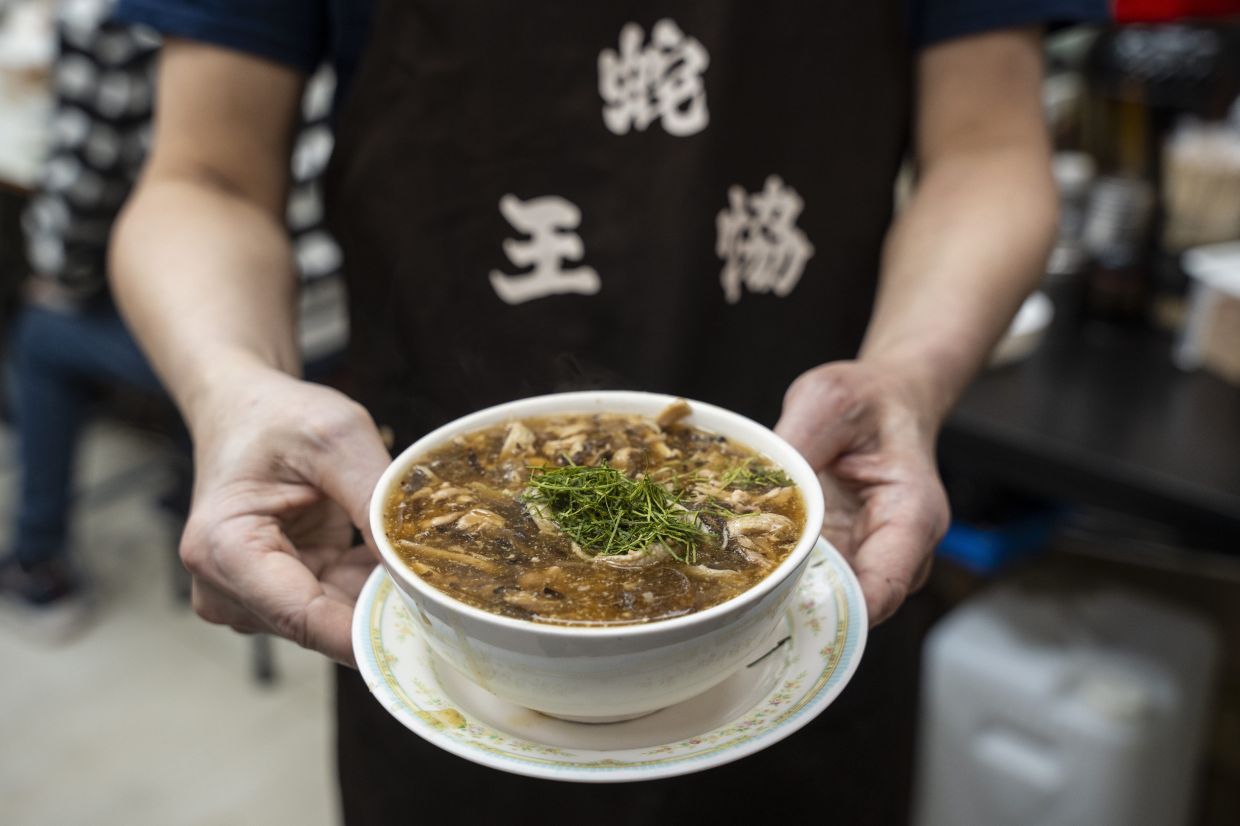
But the restaurant, alongside most of the city's other remaining snake soup shops, switched to using frozen snake meat from Southeast Asia after a 2003 outbreak of SARS, or severe acute respiratory syndrome, killed 299 people in Hong Kong. Scientists have linked the virus's origin to wild animals.
Despite the change, preparing snake soup still takes a long time. The defrosted snake meat must be boiled for at least two hours to achieve the desired tenderness. After it cools, Chau debones it with a sharpened chopstick and tears it into thin pieces by hand.
The snake bones then are simmered with chicken and pork bones for at least six hours to make the soup base. Next, the broth is stewed with snake meat, shredded chicken, ham, fungus and mandarin orange peel before finally being thickened with starch.
When a bowl of soup is served, diners usually garnish it with lemon leaves and crispy chips.
Snake meat, which has a texture similar to chicken after cooking, is rich in protein and low in fat.
During the winter, Chau can sell up to 800 bowls a day ranging in price from $7 to $11. But that figure drops to 100 or less in the summer, when the soup is less popular.
Snake soup shops have closed after the COVID-19 pandemic and as older chefs retire, leaving only about 20 still in operation.
But Chau is determined to keep her business going as long as possible, though she is pessimistic about the industry's future.
She said even if her nephews wanted to join her, she would suggest they learn to make desserts instead.
"This is not a money-making industry and so I don’t see that any young people would like to get into it,” she said.
-- Associated Press news assistant Renee Tsang contributed to this report.