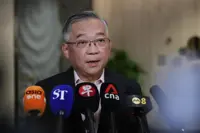
SINGAPORE, Feb 27 (The Straits Times/ANN): Residents of some condominiums can expect to fork out more for the maintenance of common areas due to surging electricity bills.
The hardest-hit have been mid-sized private residential estates abandoned by electricity retailers and exposed to the volatile wholesale market, condominium managers and managing agent firms told The Straits Times.
Several have chosen to reconfigure electrical systems to cut costs while others hunt for fixed-price plans.
Nicholas Chew, the Management Corporation Strata Title (MCST) chairman of Changi Green condominium, was aghast when the building's electricity bill trebled from $6,500 to $19,500 for the month of December.
Since the MCST's former retailer i-Switch folded in November last year, it has switched to purchasing electricity from the wholesale market - where prices fluctuate every half-hour - and is in "fire-fighting mode" to secure a long-term fixed-price plan, he said.
"We have cut where we can, and the remaining usage covers essential things like closed-circuit television and walkway lighting," said Chew, adding that the 256-unit property had adopted energy-efficient lighting eight months ago and has switched off air-conditioners in some facilities to save electricity.
"If we are unable to find a contract that lasts beyond a month and electricity bills continue to rise over the next nine months, the MCST will propose an increase to the management fund contribution to cover costs and put it up for a vote," he added.
Wholesale electricity prices started soaring here as a result of the global energy crisis since September last year, driven by increased demand worldwide, production outages due to cold winter months and disruptions to piped natural gas supply from Indonesia.
This sparked the exit of six electricity retailers from the open market between October and December last year and another two prematurely terminated some of their customers' contracts, thereby affecting about 9 per cent of all electricity consumer accounts, said Second Minister for Trade and Industry Tan See Leng in Parliament this month.
While residential and non-residential accounts using a monthly average of less than 4 megawatt-hour (MWh) have the option of switching to SP Services' regulated tariff, private residential properties like Changi Green that exceed the limit cannot do so.
Responding to queries on the rationale for the threshold of 4MWh, the Energy Market Authority (EMA) said this arrangement "protects household and small business consumers as they do not have the bargaining power to negotiate for better retail rates that large electricity consumers would have".
The authorities have rolled out some support to shield large users of electricity from volatility.
In December, EMA launched the Temporary Electricity Contracting Support Scheme (Trecs) to help non-residential accounts consuming 4MWh or more to get month-long fixed-price electricity plans and additional retail plans with "significant fixed price components".
The scheme allows generation companies to draw on EMA's standby fuel facility to generate electricity, therefore reducing the risk that pipe natural gas disruptions might have for them.
In the face of overwhelming demand, the authorities increased capacity of the scheme in January and extended it this month by another three months to May.
A spokesman for A4 International, which oversees 70 estates, said it has still been "very difficult" to get a fixed-price plan, noting that those who are affected tend to be MCSTs with 100 or more units.
He said the electricity suppliers his company contacted have said they were "too overwhelmed as their previous clients are calling to beg them for a proposal, (and they have received) too many inquiries".
He added: "Most of them are so uncertain about the rates, none of them were willing to commit until the late second quarter or third quarter."
Meanwhile, Mr Chew failed to secure a Trecs plan for January, February and March, but managed to secure a one-month contract with Keppel Electric for March at a rate of 39.03 cents.
"It's a very short-term solution, but I hope the one-month contract will put us in good standing to get a 12-month contract," he said.
Two electricity suppliers told ST that they have rolled out more price plans to meet the high demand.
Following the extension of Trecs on Feb 14, Sembcorp Power has rolled out new six- and 12-month contracts for businesses with an average monthly consumption of between 4MWh and 20MWh.
But power bills could rise further after Russia, a major oil and gas exporter, launched a military attack on Ukraine last Thursday. Oil prices surged past US$100 (S$135) a barrel after Russia's invasion.
Almost all of Singapore's electricity needs are supplied by imported natural gas, which tracks the price of oil, and any impact on global gas prices will mean higher electricity prices for the Republic. - The Straits Times/ANN
Already a subscriber? Log in
Get 20% OFF The Star Digital Access
Cancel anytime. Ad-free. Unlimited access with perks.