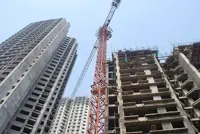
Strata living – a tale of two cities


“IT was the best of times, it was the worst of times…

We had everything before us, we had nothing before us,

We were all going direct to heaven, we were all going direct the other way…”

The famous opening line in A Tale of Two Cities by Charles Dickens presents to us the tension and opposing attitudes borne between the inhabitants of the two cities. This disparity reflects our perception of “Strata Living” – a form of progressive yet regulated community living made possible by its inhabitants within its gated guarded boundary.

Strata is a legal concept that has been around officially for almost three decades in Peninsular Malaysia since the introduction of the Strata Title Act in the 80s and has never cease to expand its roots till to-date. As a working concept, it stretches further back to history under the subsidiary title under the National Land Code. Official statistics from the Housing Ministry in late-2012 shows that one out of four stays in a strata development in Peninsular Malaysia. In response to such pressured demands, the yet to be enforced Strata Title (Amendment) Act 2013 (STAA) and Strata Management Act 2013 were passed in parliament to better serve such needs.

Strata living often relates to the affordability and buying power. The common presumption is the less fortunate gets a piece of “air space” made possible by construction technology. Nonetheless, parallel to the scenario in the Dickens fiction, there may exist a twin (a Siamese genre for this instance) with overlapping similarities while simultaneously distinguishable by the underlying motivation akin to the two sides of the same coin.

The reality of strata living has come about due to the scarcity of land in areas where infrastructures are concentrated and increasing land cost. Over the years, the Government has been trying to improve house ownership through the introduction of affordable houses, with the most recent example being PR1MA. The basis of strata living is self-management and self-sufficiency.

In other words, once developers have done their part, they wipe their hands clean of any further obligations save for any latent defects or negligence. This form of strata living is seen as affordable. The negative part is you have small plots of land with residential units densely packed together; a suffocating and uncomfortable setting to raise a family.        So is the tale of one city – a grey and morbidly dense city.

Yet, by a flip of the same coin, the concept of strata living need not be restrictive. It is not confined to vertical multi-level structures but also horizontal living – gated, guarded and landed communities. This type of strata living is naturally more expensive and caters to the higher income group – lavish strata living with lesser restraint on space, practically the area of an entire building with landscaping. Imagine the typical Western upper-class neighbourhood – the lack of fencing between the houses within the gated boundary creates opportunities for connection and interaction. Children are able to roam freely and safely within the gated boundary.

With the soon to be effective STAA 2013, the exclusivity in strata living lifestyle is expected to increase. By virtue of the Act, the management corporation (MC) has the discretion to designate limited common property areas for the exclusive enjoyment of a particular group of parcel owners. In other words, there will be more diversity in strata living moving forward.

With such an enactment, one can only envision the inevitable formation of the MC that is akin to that of a resident’s committee in Singapore. Moving-in resident, owner or tenant, is required to undergo MC screening, which resembles a school admission interview and will be categorised based on social status, income levels etc.

Moving up a notch, one can envisage the setting up of a property management fund contributed by the owners and managed by professional fund managers to ensure a handsome return to the MC for long-term sustainability in maintaining the desired lifestyle of the strata community. Simultaneously, without much restraint financially, outsourcing such maintenance work to a professional management group is made possible.

Such is the tale of another city – a desired city of hopes and possibilities. There are both strata projects, but so vastly different.

From the above, one city simply does not reflect the other. While the idea of chipping into strata living is involuntary at large, there are pros in strata living that warrant the higher income group to choose and favour strata living.

Bundling with the improvement of the strata regime that caters to the wants of this higher income group, strata living is the way forward for Malaysia in our path to a developed nation.

Chris Tan is the founder and managing partner of Chur Associates

Get 20% OFF The Star Digital Access

Monthly Plan

RM 13.90/month

RM 11.12/month

Billed as RM 11.12 for the 1st month, RM 13.90 thereafter.

Best Value

Annual Plan

RM 12.33/month

RM 9.87/month

Billed as RM 118.40 for the 1st year, RM 148 thereafter.

Follow us on our official WhatsApp channel for breaking news alerts and key updates!
Business , prop

Next In Business News

LSH Capital inks 17.4-acre land purchase from RAC
Berjaya pares holdings in Berjaya Assets
Ringgit ends firmer as safe haven demand for US$ fades
Pan Malaysia unit grants RM5.5mil loan facility to parent MUI
US-Iran escalation could threaten 2027 oil market surplus, IEA says
Bursa Malaysia closes higher on rebound in financial stocks
Evergreen Max Cash proposes listing transfer to Main Market
Advancecon unit bags RM121.66mil sub-contract for data centre water supply project in Port Dickson
Malaysia's palm oil stockpiles up 4.78% to 2.54mil tonnes in June -�MPOB
AirAsia, TAT strengthen partnership to boost Thailand tourism

Others Also Read